Luang Prabang travel guide: what to see, where to stay and how to plan your days
 By Nora Bennett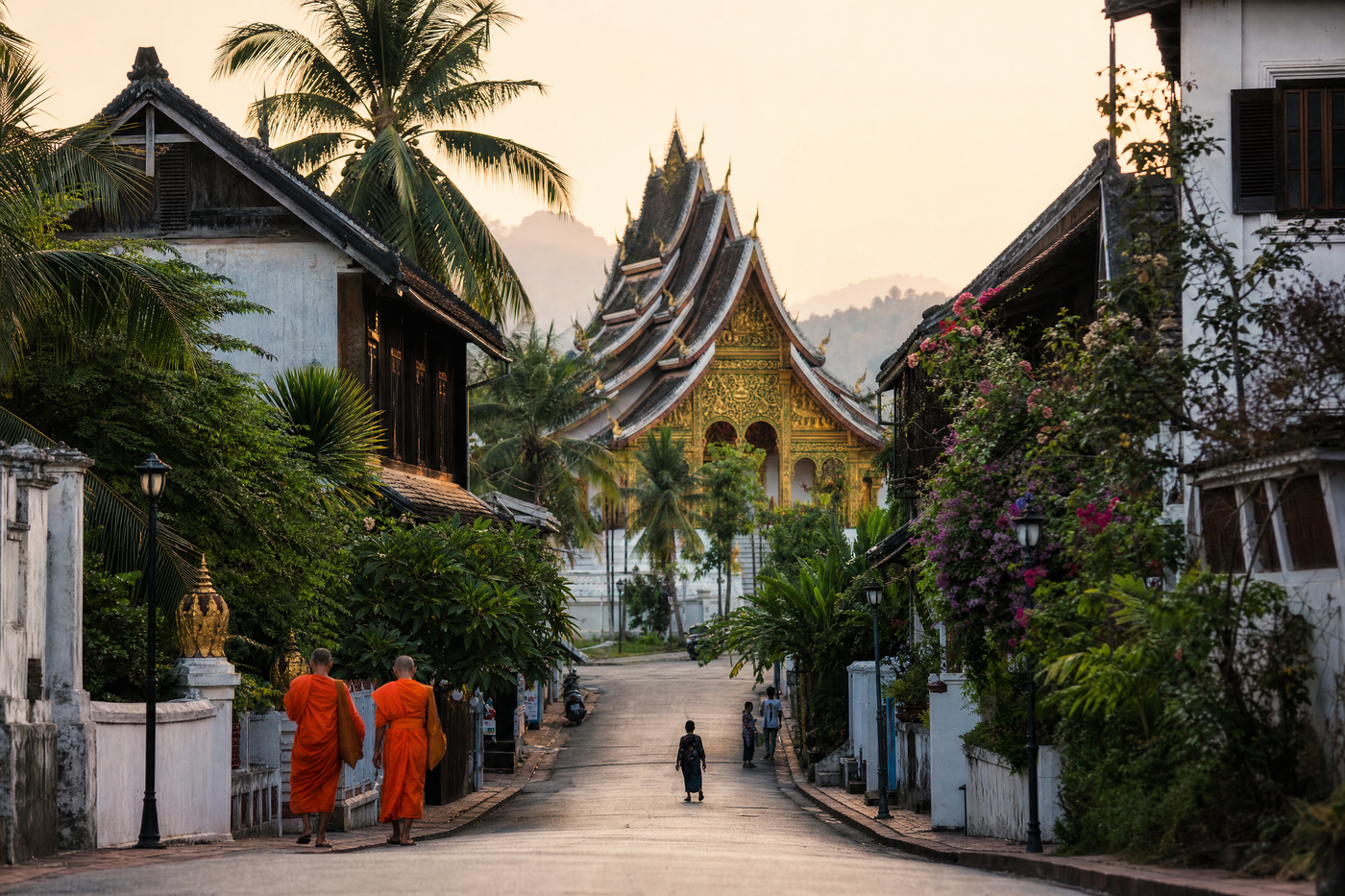
Luang Prabang, nestled at the meeting of the Mekong and Nam Khan rivers, blends ancient temples, French colonial charm and dreamy landscapes. This practical guide covers its vibrant neighborhoods, must-see sights, food specialties and how to craft a flexible three-day itinerary for your first visit.
Why visit Luang Prabang?
Luang Prabang is Laos’ cultural heart, offering a tranquil blend of World Heritage temples, saffron-robed monks, pastel colonial villas and riverside landscapes. Relaxed but endlessly fascinating, it’s ideal for travelers seeking tradition, natural beauty and accessible adventure. The pace is unhurried and the air is scented with frangipani—yet there’s plenty to reward every kind of explorer.
In this small city, daily life still revolves around Buddhist ritual, morning alms-giving, bustling markets and vivid festivals. Yet Luang Prabang is also welcoming, easy to explore, and full of friendly locals ready to share their culture. Perfectly walkable, it makes an excellent base for short or extended trips, river cruises and rural escapes.

Your trip deserves fewer tabs.
Start planning your tripUnderstanding Luang Prabang’s neighborhoods
Luang Prabang’s historic heart is Old Town, a UNESCO-listed peninsula between the Mekong and Nam Khan rivers. Here you’ll find grand temples, French-era shophouses, the Royal Palace and riverside cafés—a picturesque area that’s always lively but never overwhelming. Everything is within a pleasant stroll.
The area around Sisavangvong and Sakkaline Roads pulses into the evening with the night market, street food and vibrant guesthouses. South over the Nam Khan, quieter Ban That Luang and Ban Phanom offer peaceful stays among locals. Across the Mekong, Ban Xiengmene gives a rustic village experience—with easy boat crossings back to the center.
Outskirts like Ban Phanom and Ban Xang Khong, reachable by bike or tuk-tuk, showcase hand-weaving, workshops and river views. For nature-focused escapes, hilltop guesthouses and eco-resorts cluster farther out but still close enough for day trips.
Best areas to stay in Luang Prabang
- Historic Old Town: For most first-time visitors, staying in the Old Town peninsula offers unbeatable access to temples, restaurants, the night market and sunrise walks. Choose between heritage hotels set in colonial villas, boutique guesthouses, and mid-range inns along the river.
- Nam Khan Riverside: Lined with quiet guesthouses and leafy gardens, this area is peaceful but within ten minutes’ walk of Old Town highlights. Some riverside properties offer beautiful sunset or sunrise views.
- Ban That Luang and Surrounds: To experience everyday Luang Prabang life, consider these neighborhoods just outside the peninsula. Quieter and more affordable, they’re filled with local cafés and small markets.
- Across the Mekong: For a rural village feel and fewer tourists, opt for the west bank, connected by regular boat ferries. Here you’ll find riverside bungalows and nature-lodge retreats.
Accommodation styles range from chic boutique hotels with tropical gardens to backpacker hostels and family-run homestays. Book ahead during festivals (like Pi Mai in April) and the high season (November–February).
Top things to see: Luang Prabang’s must-visit sights
- Wat Xieng Thong: The city’s most beautiful temple, with glittering mosaics, golden nagas and serene courtyards facing the river.
- Royal Palace Museum: Former home of Laos’ last monarchs, filled with art, artifacts and the country’s sacred Prabang Buddha image.
- Mount Phousi: Climb 300 steps for panoramic views, golden stupas and a sunset or sunrise experience.
- Alms-giving ceremony: Wake early to witness monks collecting morning alms, a moving and respectful tradition (watch quietly and consider supporting local vendors for offerings).
- Night market: Stroll Sisavangvong Road each evening for handcrafted textiles, local art, and street snacks in a festive atmosphere.
- Wat Mai and Wat Visoun: Other key temples showcasing the evolution of Lao Buddhist architecture and intricate wood carvings.
Most attractions are within walking distance in Old Town. Aim for early or late visits to avoid tour groups and the midday heat.
Exploring further: nature, villages and day trips
- Kuang Si Falls: A 40-minute minivan or tuk-tuk ride away, this three-tiered cascade is famed for its turquoise pools (bring swimwear) and shaded trails. Don’t miss the Bear Rescue Center nearby.
- Pak Ou Caves: Take a Mekong river cruise upstream to discover caves filled with thousands of Buddha statues—combine with visits to whiskey and weaving villages en route.
- Ban Xang Khong & Ban Xieng Lek: Known for handwoven silk, mulberry paper, and riverside workshops, just a short bike ride from the center.
- Tad Sae Waterfalls: Especially beautiful in rainy season, these jungle pools can be reached by tuk-tuk and a quick boat ride.
Day trips are easy to arrange at local travel agents, or go independently by hiring a scooter, bicycle or tuk-tuk. Dress respectfully for village visits and support handmade crafts.

Turn your travel ideas into a plan.
Start planning your tripLuang Prabang’s temples: etiquette and highlights
With over 30 temples, delight in quiet corners as well as headline sights. Don’t miss the dazzling gold lacquer of Wat Xieng Thong, the 18th-century murals at Wat Mai, or the lotus-shaped old stupa at Wat Visoun. Many small neighborhood wats—such as Wat Sensoukharam or Wat Aham—welcome curious visitors and tend to be peaceful throughout the day.
Dress modestly (shoulders and knees covered), remove shoes, and keep noise low. Early mornings and late afternoons see resident monks chanting or meditating, and friendly locals may invite respectful observers to join daily rituals.
Photography is welcome in most temple grounds, but always check signs and respect worshippers’ privacy. In major festivals, temples fill with chanting, candlelight processions and music—an unforgettable local experience.
Eating and drinking in Luang Prabang: local tastes
Luang Prabang’s cuisine is a highlight for adventurous and casual eaters alike. Sample khao soi (noodle soup with spiced pork), laap (spiced minced meat salad with herbs), fresh river fish, and or lam (herbaceous local stew). Street stalls and market eateries serve piping-hot baguettes with pâté, grilled skewers and sticky rice for breakfast.
Bamboo-shaded river cafés and atmospheric courtyards abound. For a relaxed dinner, try a Mekong-view restaurant on Khem Khong Road. French-Lao bakeries dish up flaky croissants and local khao jee, while elegant venues like Tamarind and Manda de Laos focus on set tasting menus and unique ingredients.
Don’t miss the lively morning market (Talat Phosy) for tropical fruits, coffee, turmeric-laced sausages and snacks you’ve never heard of. Most venues are open from breakfast till late, with a few spots pouring Beerlao or cocktails along the riverbank after dusk.
Getting around: transport tips
Luang Prabang is compact and mostly walkable, especially in the historic center. For sights further afield—and in steamy afternoons—plenty of other options are available. Bicycles can be hired from hotels and local shops (expect basic mountain bikes), perfect for gentle loops and short day trips out to craft villages or riverside trails.
Shared tuk-tuks ply main roads and can be booked for group trips to waterfalls. Confirm your fare before departure—there’s rarely a meter. For longer distances (like to Kuang Si), arrange minivans via hotels or travel agents. Renting a scooter is possible, but local traffic rules are loosely observed and only experienced riders should attempt it.
River ferries connect the peninsula to west bank villages, with crossings every 15–30 minutes. All main routes are safe by day, though late-night options thin out early. The new airport is 15 minutes by taxi or tuk-tuk from the city center—arrange pickup ahead for smooth arrivals.
Essential local context: culture and etiquette
Laotians value politeness, quiet and showing respect—especially around religious sites. Avoid loud voices, dress modestly in temples (covered shoulders and knees), and never touch a monk or point feet at Buddha images. Ask before photographing people, and accept that not all locals are comfortable posing for photos.
The morning alms procession is sacred; only offer food if you know the correct way (many guesthouses can show you), and keep a respectful distance as you observe. Street shoes must be removed before entering homes and temples. Public displays of affection are rare and best avoided in public spaces.
Luang Prabang locals are warm, patient and often reserved at first—learning a few Lao greetings (“sabaidee!”) goes a long way. Tipping isn’t required but small change is appreciated for good service. English is widely spoken in tourism businesses, though a translated phrasebook is handy in less-visited villages.
Flexible three-day Luang Prabang itinerary
- Day 1: Old Town discovery. Explore the Royal Palace Museum, wander the Old Town’s temples (Xieng Thong, Mai, Sensoukharam), and pause at riverside cafés. Climb Mount Phousi for sunset. Dinner at a French-Lao restaurant, followed by browsing the night market.
- Day 2: Nature and villages. Set out for a morning excursion to Kuang Si Falls; enjoy a picnic and dip in the cascading pools. Return via Ban Xang Khong craft village to see silk weaving. Snack at the morning market, then take a Mekong sunset cruise (bookable through local operators). Try street food in the evening.
- Day 3: Caves, countryside and local life. Start with the alms ceremony (with guidance), board a boat for Pak Ou Caves and riverside villages, then spend the late afternoon at your pace—shopping, relaxing or fitting in lesser-known temples. Enjoy a festive Lao dinner or unwind with a spa treatment.
This program leaves room for personal discoveries—swap days, change pace, or return to favorite sites as you wish.
Safety, money and practicalities
Luang Prabang is considered very safe, with friendly locals and low crime. Standard precautions—like keeping valuables secure, using the hotel safe, and watching belongings in busy markets—apply. Tap water isn’t drinkable, but purified water is widely available.
ATMs are plentiful, especially in and around Old Town, and most guesthouses accept cash only. Bring spare US dollars or Thai baht for emergencies. Internet is widely available, though speeds can be slow in parts. Most local SIMs require your passport for purchase and offer fair coverage even outside the city.
Laos uses the kip (LAK), but many tourist services quote in USD or Thai baht. When tipping, round up bills or leave spare change. Shops and markets are usually open from 7am to dusk, and many businesses close for major Buddhist holidays.
Planning your Luang Prabang trip: tips and timing
The best time to visit is November to February, with cooler weather (15–25°C), bright days and festival celebrations. March to May can be hot, while June to October brings lush green landscapes and some rain, though downpours are often short. Major festivals, especially Pi Mai (Lao New Year) and the Boat Racing Festival, offer unmatched local color but bring crowds—book early if your trip coincides.
Visas on arrival are available at the airport for many nationalities; carry passport photos and cash. Dress in layers—mornings and evenings can be cool—and pack sturdy sandals or shoes for exploring hilly streets and river banks.
Expect a laidback pace: allow time to just wander, try new foods, speak to artisans and relax by the water. Luang Prabang rewards the curious and unhurried, making each trip unique no matter how carefully you plan.