Ljubljana travel guide: what to see, where to stay and how to plan your days
 By Nora Bennett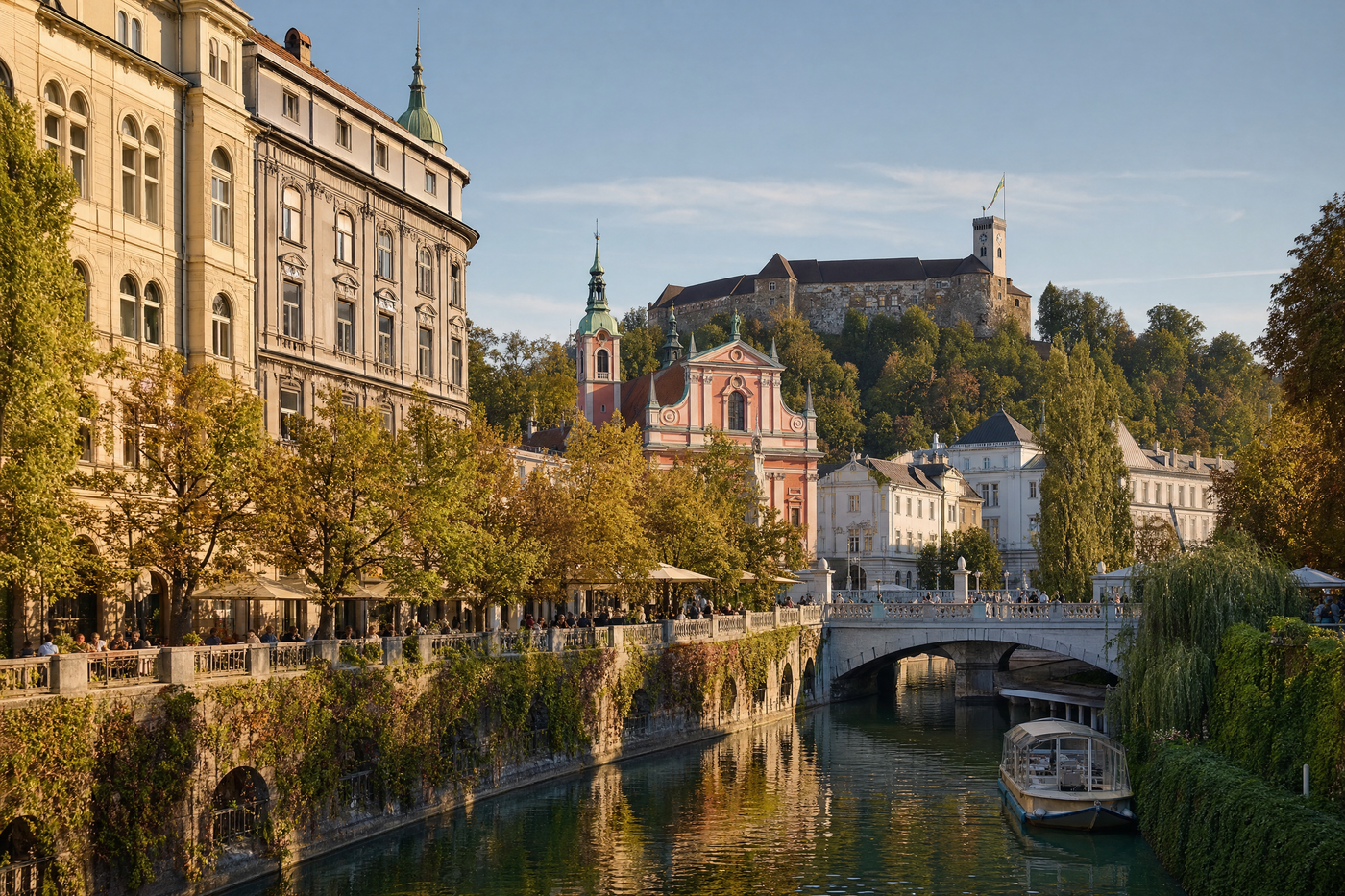
Ljubljana, Slovenia’s charming capital, is the perfect destination for leisure travelers. This guide covers top neighborhoods, must-see sights, transportation tips, local food, and a flexible three-day itinerary to help you plan every detail of your visit.
Why Ljubljana is ideal for a city break
Compact, green, and effortlessly relaxed, Ljubljana offers an inviting escape ideal for those seeking culture, history, and authentic local experiences. With its leafy riverside paths, striking architecture, and vibrant café scene, Slovenia’s capital beguiles visitors without overwhelming them. Unlike larger European capitals, Ljubljana is easy to navigate and digest; its biggest sights and most atmospheric neighborhoods can be encountered in just a short stay, while still offering enough depth for longer explorations.
Visitors are drawn to the car-free city center, colorful Baroque facades, contemporary galleries, and sociable market squares. For food lovers and outdoor enthusiasts alike, the city’s proximity to alpine scenery and farm-fresh ingredients guarantees memorable meals and excursions. Ljubljana’s manageable size, forward-thinking attitude, and genuine friendliness make it a top pick for first-timers.

Your trip deserves fewer tabs.
Start planning your tripGetting your bearings: Ljubljana’s neighborhoods
Ljubljana’s city center is a pedestrian-friendly stretch along both banks of the Ljubljanica River. The city is unofficially divided into several key districts—each offering a distinct flavor and unique highlights for visitors. Here’s a look at the neighborhoods most relevant to travelers:
- Old Town (Staro Mesto): The historical heart of Ljubljana, brimming with medieval lanes, the main market, the triple bridge, and a lively food and coffee scene.
- Center District: Just across the river, this area blends elegant Art Nouveau buildings, independent boutiques, and leafy walks, hosting most museums and galleries.
- Trnovo & Krakovo: South of the center, these tranquil former villages have blossomed into a creative quarter, home to riverside gardens, hip bistros, and a bohemian atmosphere.
- Metelkova: Best known for its alternative culture, street art, and nightlife, the Metelkova area showcases Ljubljana’s progressive side.
These districts are all within easy walking or cycling distance, making it simple to explore multiple zones over a short stay.
Top sights you shouldn’t miss
Ljubljana rewards unhurried strolling, but its compact size also puts world-class attractions within a short walk or bike ride. Whether you love history, architecture, nature, or art, the following highlights are essential for a first visit:
- Ljubljana Castle: Perched on a wooded hill, the medieval castle offers panoramic city views—reach it by funicular, on foot, or by elevator. Explore the watchtower, exhibitions, and enjoy refreshments at the castle cafe.
- Prešeren Square: The city’s main gathering place, surrounded by monumental buildings—including the rosy Franciscan Church—and the hub for people-watching and street performance.
- Triple Bridge (Tromostovje): Architect Jože Plečnik’s striking centerpiece, connecting medieval lanes with the modern city.
- Central Market: A daily burst of color and local produce in a colonnade designed by Plečnik, perfect for morning browsing.
- Dragon Bridge: Look for its iconic dragon statues—a symbol of Ljubljana—on this ornate Art Nouveau structure.
- Tivoli Park: The city’s green lung, ideal for leisurely walks, picnics, or visiting the international sculpture trail and Tivoli Mansion.
- National Gallery: Home to Slovenia’s visual treasures, from medieval altarpieces to contemporary art.
- Metelkova Mesto: An autonomous cultural zone, vibrant with street art, live music, and nightlife.
Plan time to simply wander the banks of the river, explore leafy squares, and soak up the city’s easygoing pace—some of Ljubljana’s best moments come without a plan.
Experience local flavors: Ljubljana’s food & drink
Ljubljana’s culinary scene is fresh, inventive, and rooted in Slovenia’s rich agricultural tradition. You’ll find classic dishes with Italian, Balkan, and alpine influences, along with a growing cohort of vegan, vegetarian, and modern fusion restaurants. Outdoor terraces and riverside patios provide atmospheric spots for sampling it all.
Typical dishes to try include:
- Carniolan sausage (kranjska klobasa): A beloved Slovenian specialty, usually paired with mustard and bread.
- Štruklji: Rolled dumplings with sweet or savory fillings, served as starters or desserts.
- Jota: A hearty stew featuring beans, sauerkraut, potatoes, and smoked or cured meats.
- Potica: A rolled nut pastry, traditional for holidays but often found in cafés.
Don’t miss trying local wines, craft beers, or the schnapps-like medica (honey liquor). The Central Market is wonderful for picnic supplies. For an informal feast, explore the Open Kitchen market (Odprta kuhna) on Fridays from March to October, where top chefs serve up specialties from pop-up stalls in the city’s main square.

Turn your travel ideas into a plan.
Start planning your tripWhere to stay: the best areas and accommodation types
Accommodation in Ljubljana covers boutique hotels, family-run guesthouses, modern apartments, and riverside hostels, mainly concentrated in the city center and immediate surroundings. Your choice of district influences your experience and convenience.
- Old Town & Center: Perfect for first-time visitors who want everything on their doorstep. Expect romantic hotels in historic buildings, stylish apartments, and mid-range options within walking distance to sights and dining.
- Trnovo & Krakovo: For quieter nights and a lived-in local vibe, try accommodation in these leafy neighborhoods. You’ll find B&Bs and self-catering flats popular with couples and longer stays, all within a 10–15 minute stroll of the center.
- Metelkova & Main Train Station: A good base for budget hostels, art hotels, and a younger crowd, plus direct transport connections to the airport or wider Slovenia.
Wherever you stay, expect friendly service and clean, well-maintained rooms. Book ahead in summer; boutiques in historic buildings can fill quickly. Many apartments offer bike rentals, perfect for exploring the city’s flat terrain.
Getting around: local transportation tips
Ljubljana’s city center is mostly pedestrianized, making on-foot exploration safe and enjoyable. For longer trips, cyclists benefit from dedicated paths and city rental schemes, while efficient public buses connect you to outlying areas and attractions.
Transport tips for visitors:
- On foot: Old Town sights, riverside walks, and parks are best explored by walking.
- Biking: BicikeLJ, the city’s bike-share program, offers easy, affordable 24/7 rentals. Stations are scattered across the center and nearby districts. Consider renting from your accommodation if available.
- Public buses: The Urbana card (available at kiosks and tourist offices) is needed for all city buses and can be topped up for multiple journeys. Buses run frequently, connecting all corners of the city.
- Taxi/Ride apps: Taxis are easy to call via radio or app, but walking or cycling is usually quicker inside the ring road. Uber and Bolt operate, but are used far less than in other cities.
For trips outside Ljubljana—such as Lake Bled or Postojna Cave—use the main train and bus station, a short walk north of the center.
Day one: exploring the historic heart
Start your first day with breakfast by the river at a local bakery—try leavened Slovenian breads or buttery pastries. Cross the triple bridge to Prešeren Square and soak up the lively atmosphere, before heading to the Central Market for local produce and snacks.
Ascend to Ljubljana Castle via the funicular or the gently winding hiking path for panoramic city views. Allow time to explore the castle’s exhibitions, climb the lookout tower, and relax in the castle café. Descend and stroll the medieval lanes of the Old Town—peek into galleries, boutiques, and cozy bookshops. Lunch by the river makes for a scenic break, sampling seasonal Slovenian dishes or international cuisine.
Spend your afternoon in Tivoli Park, wandering among chestnut trees, fountains, and playful outdoor sculptures. For dinner, return to the Old Town for a slow meal at a traditional gostilna (inn) or a modern bistro—many offer atmospheric patios overlooking the illuminated castle.
Day two: neighborhoods, culture and creative life
Begin your second morning exploring Trnovo and Krakovo, where garden-lined streets host open-air café culture, small galleries, and local markets. Join locals for a coffee or brunch and enjoy a different pace just south of the city center.
Take a riverside walk or bike ride back towards the Center district, detouring to the National Gallery or the Museum of Modern Art depending on your interests. Lunch options around here include both international spots and Slovene slow-food kitchens. In good weather, grab picnic supplies and dine al fresco in Tivoli Park again, or downstream by the Špica embankment, a quieter green space just outside the bustle.
Later, head toward Metelkova Mesto for its lively street art, outdoor installations, and bars—by evening this area turns into an energetic nightlife hub with live music, alternative clubs, and creative venues. It’s safe and welcoming, with a relaxed, open-minded crowd. Retire to your accommodation or, if you’re up for it, join Ljubljana’s locals dancing late into the night.
Day three: day trips and city favorites
Ljubljana’s location makes it easy to see more of Slovenia, even with only a half day to spare. One popular option is a structured morning trip to Lake Bled—famous for its fairytale church on an island—or a tour to the dramatic Postojna Cave and Predjama Castle.
If you prefer to stay local, join a themed walking tour, such as “Ljubljana and its Dragons” or a food tour showcasing the city’s culinary traditions. Alternatively, hire a kayak or paddleboard to drift along the Ljubljanica River, observing the city from a new angle.
Return in the afternoon for coffee and cake at a riverside café. Shop for souvenirs at the Central Market or browse art and craft galleries before a farewell dinner—try an innovative restaurant for contemporary takes on Slovenian cuisine, or choose a wine bar and sample local vintages paired with regional cheeses and charcuterie.
Best times to visit and how long to stay
Ljubljana welcomes visitors year-round, each season bringing a distinct mood. Late spring (April–June) and early autumn (September–October) offer the best weather—warm days and lively street life without midsummer crowds. July and August are vibrant but busy with festivals, outdoor concerts, and higher accommodation prices. Winter has its own charm, with holiday markets, ice skating, and snow-capped views from the castle, though temperatures dip.
Three days is ideal for a balanced introduction to the city: you’ll cover major sights, visit several distinct neighborhoods, enjoy the city’s food scene, and have time for relaxation or a day trip into the Slovenian countryside. For those with longer stays, Ljubljana works well as a home base to explore the entire region.
Tips for a smooth Ljubljana stay
- Pack layers, as mountain weather can change quickly—even in summer, a light jacket is handy for the evenings.
- Avoid driving in the center: Parking is limited, the old town is pedestrian-only, and cycling or walking is much easier.
- Tap water is safe and delicious, with public water fountains dotted around city parks and squares.
- English is widely spoken, especially among younger Slovenians and in hospitality, making communication easy for most travelers.
- Book ahead during events like June’s Ljubljana Festival or December’s Christmas markets, when the city sees a surge in visitors.
Always check museum and attraction opening hours, as many places close on Mondays. Ljubljana is generally very safe, but use standard precautions in busy areas and on public transport.
Planning your Ljubljana city break
Planning ahead ensures a stress-free visit to Ljubljana. Reserve accommodation early if you seek characterful hotels or self-catering options in the historic center. Research local events or temporary exhibitions—cultural life thrives year-round, with music, film, and food festivals enlivening the city calendar.
Set aside time for spontaneous wandering: Ljubljana’s biggest pleasure is its relaxed rhythm, seen in morning coffee rituals, riverside strolls, and friendly shopkeepers. Embrace the city’s slow, sociable pace and don’t overpack your itinerary—there’s plenty to do, but the city shines when experienced at leisure. With this guide, you’re ready to make the most of your time in one of Europe’s most welcoming capitals.