Kyoto on a budget: how to save money without missing the best parts
 By Nora Bennett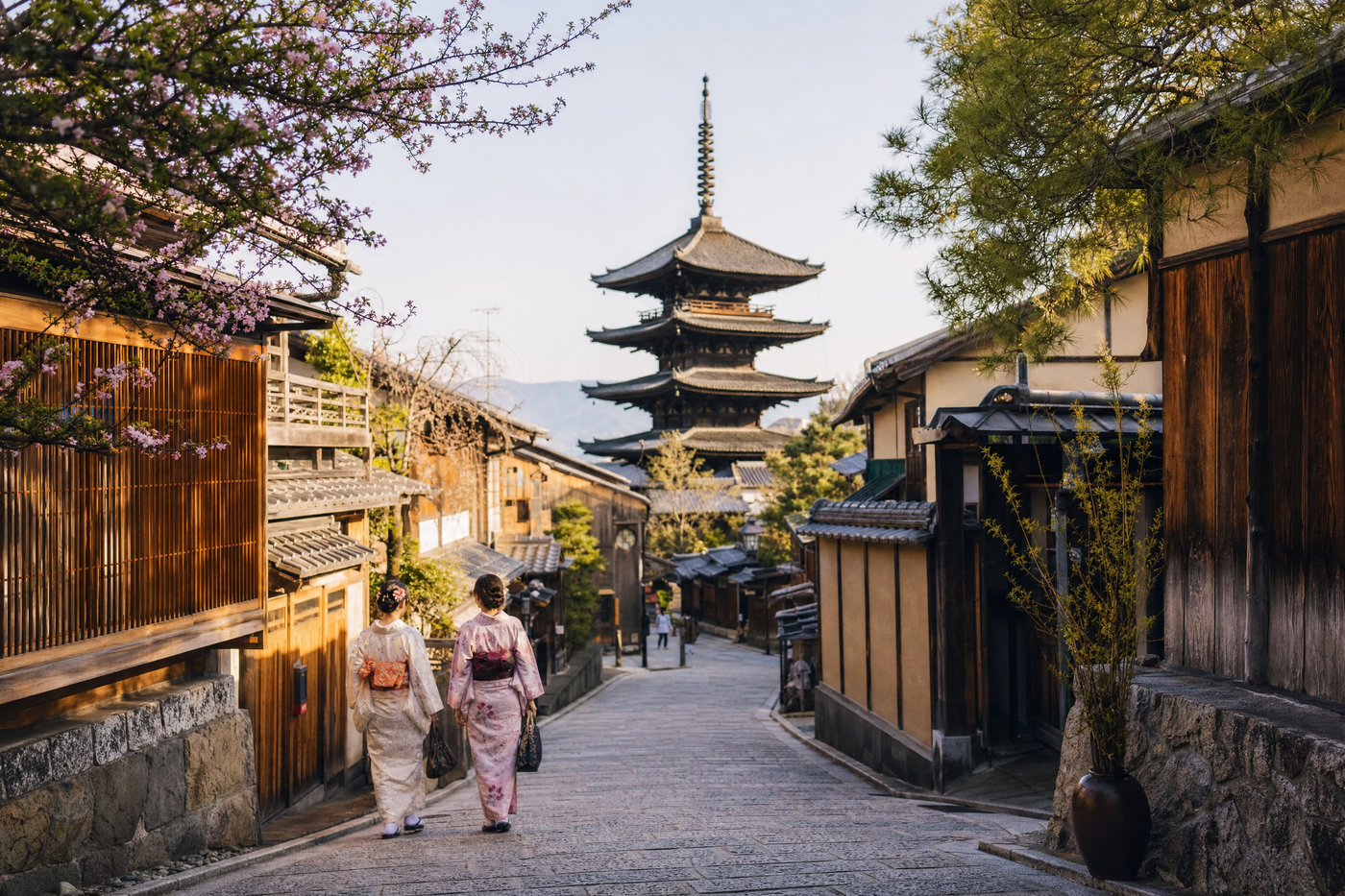
Kyoto dazzles with ancient temples and serene gardens, but you don’t need to break the bank to see its highlights. Here’s your practical guide to experiencing Kyoto on a budget, showing where to save, when to splurge, and how to savor the city’s best without compromise.
Understanding Kyoto’s unique travel value
Kyoto makes a compelling case for travelers watching their budget. Its blend of accessible public spaces and centuries-old culture means you can see a wealth of highlights without splurging on every experience. Unlike costlier metropolises, Kyoto’s most iconic visuals—arcing torii gates, golden temples, tranquil gardens—are easily attainable with savvy planning.
Knowing where to allocate funds lets you enjoy the city and its UNESCO sites to the fullest. This guide helps you distinguish must-pay moments from spots where you can comfortably spend less. With a balance of free attractions, affordable eats, and the occasional strategic splurge, Kyoto offers far more value than first-time visitors expect.

Your trip deserves fewer tabs.
Start planning your tripHow to get around Kyoto for less
Transportation is typically the first big worry for travelers on a budget. Fortunately, Kyoto’s compact layout and excellent public transit make getting around both convenient and cost-effective.
- One-day bus and subway passes: The Kyoto City Bus & Subway Pass (from ¥900) offers unlimited daily rides, a huge advantage when sightseeing across the city’s districts.
- Bike rentals: For about ¥1,000 per day, renting a bicycle provides flexibility and saves transit costs, plus allows for scenic detours through Kyoto’s peaceful side streets.
- Walking: Many sights cluster in areas like Higashiyama and Arashiyama. Combine walking with the occasional bus to maximize efficiency and savings.
Skip taxis—they add up fast. Plan day routes to minimize backtracking, and consider using Google Maps’ transit function, which is reliably up-to-date for Kyoto’s network.
Free temples and shrines worth your time
- Fushimi Inari Taisha: Open 24 hours and free, this iconic shrine’s thousands of vermilion torii gates are a Kyoto highlight. Arrive early or late for thinner crowds.
- Yasaka Shrine: Nestled in Gion, Yasaka is vibrant day or evening, and always free to visit. Lanterns glow atmospherically after dark.
- Nishiki Tenmangu: Perfect for a short, free stop while browsing the Nishiki Market area.
- Gio-ji Temple grounds: While the moss garden requires a small fee, the surrounding area and bamboo grove are free and atmospheric.
- Kamigamo and Shimogamo Shrines: These ancient World Heritage sites offer tranquil forested settings, no entry fee, and fascinating seasonal festivals.
Though some of Kyoto’s top temples carry admissions, these free stops deliver plenty of atmosphere and history without costing a yen.
Low-cost (or free) nature escapes
Green spaces abound in Kyoto and many won’t impact your budget.
- Philosopher’s Path: This peaceful, cherry tree-lined canal path is entirely free. It connects multiple smaller temples, with no pressure or fee to enter them all.
- Arashiyama Bamboo Grove: Effortlessly photogenic and totally free, the bamboo grove is best enjoyed early or late in the day to sidestep crowds.
- Kamo River banks: Locals bring snacks to these grassy riversides, offering a cost-free way to enjoy city-and-mountain views.
- Maruyama Park: Known for cherry blossoms in spring and cozy strolls year-round, this central park is ideal for picnics or a tea break.
Bringing along convenience-store snacks turns these nature stops into memorable, budget-friendly lunches.
Eating well for less: affordable food in Kyoto
Kaiseki and wagyu may be Kyoto signatures, but flavor abounds across much humbler terrain. To dine cheaply:
- Kombini (convenience stores): Onigiri, sandos (sandwiches), and ready-to-eat bentos are fresh, affordable, and surprisingly good.
- Nishiki Market: An endless parade of snacks—skewers, sweets, and regional specialties—allow for grazing under ¥1,000–2,000 a day.
- Local canteens and shokudo: Try homey lunch sets and noodle shops clustered at stations and in residential districts.
- Supermarkets: Visit in the evening for discounted prepared foods.
- Family restaurants: Chains like Sukiya and Matsuya provide filling meals for around ¥500–900.
Splurge occasionally on a well-reviewed ramen shop or tofu restaurant—it can cost as little as ¥1,000–1,500 for a memorable meal.

Turn your travel ideas into a plan.
Start planning your tripThe best times to book (and visit) for savings
Your budget stretches further if you time your trip outside peak seasons. Late autumn and cherry blossom time (mid-March to April) see hotel rates and crowds soar.
For lower prices and a more relaxed atmosphere, target winter (December–February, excluding New Year), early March, or late May through June. Even summer, though hot, rewards travelers with discounted rates and fewer tourists.
- Book accommodations at least 2–3 months in advance to secure early-bird prices and better selection, especially for guesthouses and well-located hostels.
- Midweek stays often offer substantial savings versus weekends, as do longer bookings.
Public holidays, particularly Golden Week (late April–May), should be avoided unless you’re ready for crowds and inflated prices.
Where (and when) to find affordable accommodation
Kyoto’s accommodation scene rewards early searchers, flexible travelers, and those open to hostels or family-run inns (ryokan and minshuku). Bedding in a historic machiya or temple lodging can also bring unique value for the price.
- Hostels and capsule hotels: Options like Len Kyoto or Piece Hostel Sanjo are clean, convivial, and offer beds from ¥2,500–4,000 per night.
- Machiya rentals and guesthouses: These historic townhouses provide privacy and immersion, sometimes costing no more than a hotel—especially if you book off-season.
- Business hotels: Chains like APA or Mystays fill gaps with small but secure rooms and last-minute availability.
Prices jump during festivals and major holidays, so prioritize flexibility or book far ahead if you have set dates. Consider neighborhoods one subway stop out from downtown for significant savings without sacrificing access.
Strategic splurges: where extra spending pays off
Smart saving lets you target experiences where paying more truly enhances your trip. These are the splurges most travelers consider worth the extra yen:
- Temple gardens like Ginkaku-ji or Kokedera: Their intricate grounds justify modest entry fees, especially if you time your visit for off-peak moments.
- Traditional tea ceremony: Though prices from ¥2,000–5,000 seem steep compared to street tea, the contemplative atmosphere and cultural insights are hard to replicate.
- Handmade kaiseki lunch: Aim for midday, as many high-end restaurants offer lunch menus at a fraction of their dinner prices (from around ¥3,000).
- Kimono rental with photoshoot: One day in kimono, especially in historic Higashiyama, makes for memorable photos and deeper connection—around ¥4,000–6,000 with accessories.
Focusing on a handful of meaningful splurges helps budget travelers enjoy the true spirit of Kyoto’s hospitality without feeling shortchanged.
Money-saving tips for temple admissions
While some temples and gardens do charge entry (typically ¥300–600), costs can add up. For optimized value:
- Group your paid sites geographically: Hit nearby temples in one outing, making use of day passes and maximizing sightseeing for each entry fee.
- Prioritize temples with gardens: These usually offer more to see per yen than those with only sanctuaries or halls.
- Check for free entry times: Some temples suspend fees for early-morning worship or outside main visiting hours—especially in off-season.
Above all, remember that atmosphere often extends beyond ticketed areas. Wandering temple approaches and nearby streets brings plenty of serenity, sights, and photo ops at no cost.
Shopping, souvenirs, and budget hacks
Bursting with irresistible crafts, Kyoto can tempt even the most cost-conscious. To avoid overspending while still bringing something home:
- Buy local snacks for gifts: The city’s rows of yatsuhashi (cinnamon rice crackers) and matcha sweets make affordable souvenirs found at supermarkets and convenience stores.
- Hit the 100-yen shops: Daiso and Seria provide memorable, useful souvenirs—think washi tape, origami kits, or chopsticks—for under ¥500.
- Browse flea markets: To-ji Temple’s legendary monthly flea market is a paradise for vintage finds and handmade wares at a broad range of prices.
Resist mass-produced items in touristy areas. Instead, explore backstreets and smaller district shops for unique, wallet-friendly memorabilia.
What to skip: common budget pitfalls
Some Kyoto experiences don’t deliver strong value for money, allowing travelers to redirect those saved funds elsewhere:
- Overpriced rickshaw rides: Picturesque, but walks or bikes deliver the same scenery for less.
- Taxis for main sightseeing: Unless you have luggage or a physical need, public transit and bike rentals win out.
- Expensive night entertainment in Gion: Instead, enjoy the district’s nightlife simply by strolling its lantern-lit streets.
- All-inclusive day tours: Build your own itinerary to save significantly, using the city’s easy-to-navigate public transport.
Choose carefully: opt for self-guided explorations, focus on select paid experiences, and embrace Kyoto’s simpler pleasures.
Your ideal Kyoto on-a-budget itinerary
Wrapping everything together, here’s an example two-day plan—tailored for both savings and standout moments:
- Day 1: Begin at Fushimi Inari (free), bike or bus to Tofuku-ji’s gardens (paid), lunch at Nishiki Market, afternoon stroll through Gion and Yasaka Shrine (free), sunset by the Kamo River.
- Day 2: Explore Arashiyama Bamboo Grove (free), splurge on entry to Tenryu-ji temple and garden, affordable lunch at a local shokudo, Philosopher’s Path walk, splurge on a tea ceremony.
Adjust to suit your pace and interests. By blending free gems, transport passes, savvy meals, and a few strategic splurges, you can unravel the very best of Kyoto—and keep your wallet happy along the way.