Key West travel guide: what to see, where to stay and how to plan your days
 By Nora Bennett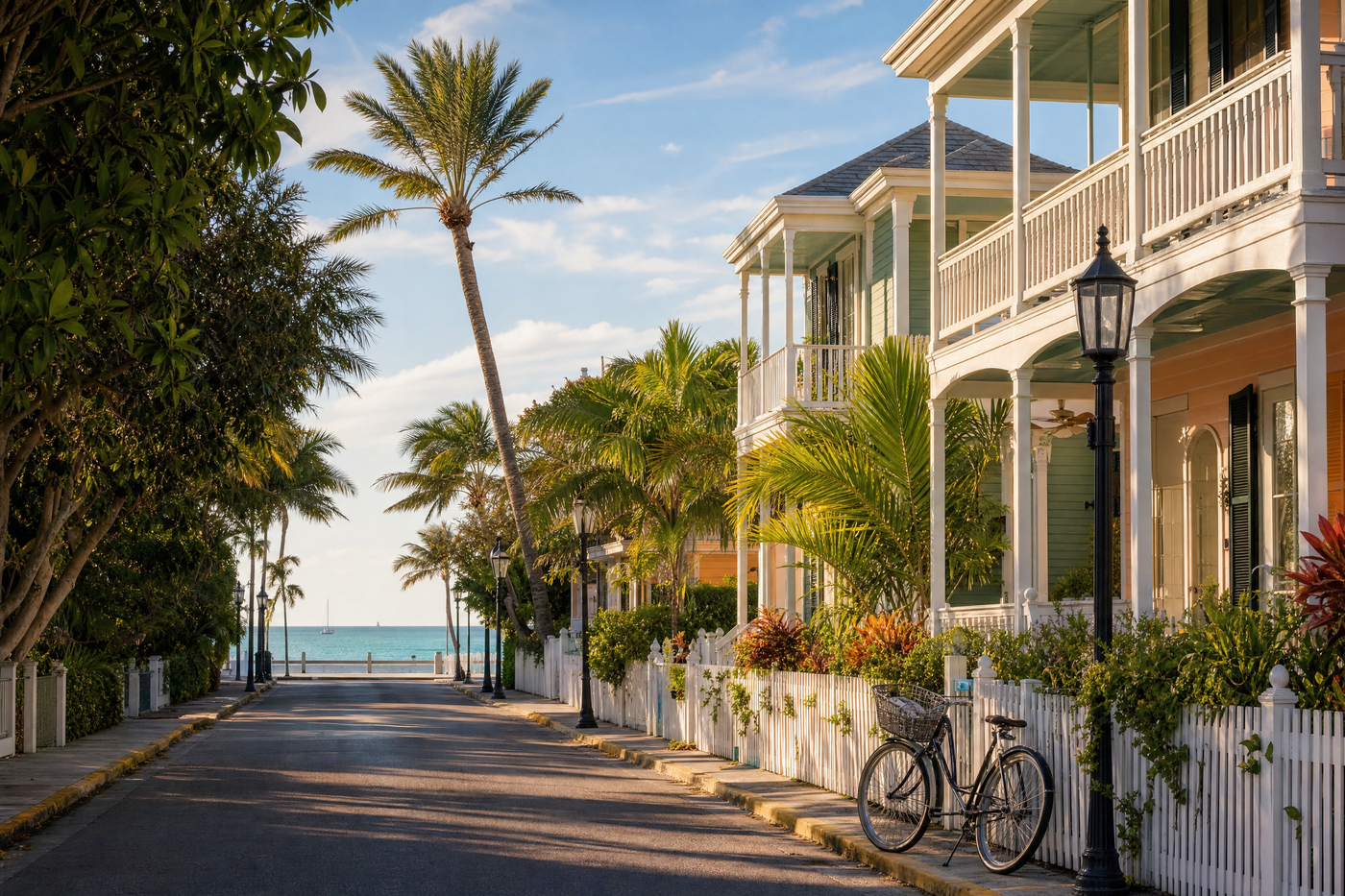
Key West combines pastel-hued heritage with lively island spirit, making it an inviting choice for a tropical getaway. This guide covers neighborhoods, hotels, planning tips, attractions, local eats, and how to piece together an ideal Key West experience.
Welcome to Key West: a sun-soaked, historic island
Key West sits at the southernmost point of the continental United States, blending clear turquoise waters, Caribbean influence, and laid-back old-Florida charm. Compact yet vibrant, the city thrives on its fascinating history, unique architecture, and a culture shaped by artists, writers, sailors, and dreamers. This guide helps first-time visitors explore Key West’s distinctive neighborhoods, discover top sights, and plan a trip that balances famous attractions with authentic local experiences.
Despite its popularity, Key West manages to retain a casual, lived-in feeling. Here, you can stroll down palm-lined streets, chat with locals over Cuban coffee, and watch dazzling sunsets on the Gulf, all in a day. From buzzy Duval Street to tranquil beaches and storied haunts, there’s much to savor at your own pace.

Your trip deserves fewer tabs.
Start planning your tripUnderstanding Key West's neighborhoods
Key West’s neighborhoods each bring their own flavor. The Old Town area forms the city’s historic core, featuring pastel Victorian cottages, lush gardens, and many of the island’s most famous landmarks. Duval Street slices through Old Town, acting as the central artery for visitors and nightlife, but much of the charm lies on the quieter surrounding blocks.
Heading east, the New Town area offers a contemporary contrast, with shopping plazas and local residences away from the tourist buzz. The Historic Seaport is another hub, ideal for those interested in waterfront dining, boating, and markets. South of White Street, the Casa Marina district exudes a low-key, upscale atmosphere, while Truman Annex is a picturesque, gated residential community close to major attractions.
Key West is small—about 4 miles by 1 mile—so exploring multiple neighborhoods within a single trip is easy and rewarding.
Best areas to stay in Key West
- Old Town: Best for classic Key West sights and walkability. Stay here if you want to be near Duval Street’s restaurants, museums, and nightlife. Choices range from historic guesthouses to boutique hotels.
- Historic Seaport: Perfect for travelers who love water views and easy access to marinas, seafood restaurants, and sunset sails. Many B&Bs overlook the harbor action.
- Casa Marina District: This area appeals to those seeking serenity, proximity to the beach, and luxurious resorts. It’s mostly residential but close to Higgs Beach and the famous Casa Marina Hotel.
- New Town: A more budget-friendly option, New Town has chain hotels and vacation rentals, with parking and access to grocery stores, but you’ll likely need a car, bus, or rideshare to reach Old Town’s sights.
For most first-timers, Old Town or Historic Seaport are ideal bases, offering a blend of authenticity, convenience, and access to both daytime and evening attractions.
How to get to and around Key West
Key West is accessible by air, sea, and road. The compact Key West International Airport welcomes flights from major hubs. Alternatively, the scenic drive along the Overseas Highway from Miami takes about 3.5 hours (without traffic), rewarding you with stunning ocean views and island stops along the way. Direct ferry service also runs from Fort Myers and Marco Island seasonally.
Once on the island, you can leave your car parked for much of your trip. Walking and cycling are the most enjoyable ways to explore; traffic and limited parking can be challenging downtown. Many hotels offer free bikes, and bike rentals are abundant. For longer distances or rainy days, use the free Duval Loop Bus, taxis, or rideshare services. Electric scooters and golf cart rentals provide another fun way to get around, especially if visiting farther beaches or neighborhoods.
Key West's top attractions and things to do
- Southernmost Point Buoy: Snap a photo at this colorful landmark for your “I was here” moment—it’s a must for first-timers, though crowds peak midday.
- Ernest Hemingway Home and Museum: Tour the famous author’s lush Spanish Colonial house, spot descendants of his six-toed cats, and learn about his intriguing life in Key West.
- Fort Zachary Taylor Historic State Park: Famed for its beach, picnic areas, and Civil War–era fort, this spot is great for swimming, snorkeling, and sunset views.
- Mallory Square: The nightly Sunset Celebration at this lively waterfront plaza features street performers, local art, and unbeatable sunset photo ops.
- Key West Lighthouse and Keeper’s Quarters: Climb for panoramic views and try to spot Cuba on a clear day.
- Historic Seaport: Wander wooden docks lined with tall ships, bars, and boutiques; great for a morning stroll or seafood lunch.
- Duval Street: The island’s main drag bustles with cafes, bars, galleries, and shops—best explored on foot, especially after dark.
- Key West Butterfly and Nature Conservatory: An enchanting glasshouse where hundreds of butterflies and tropical birds flit among lush greenery.
Many visitors also enjoy snorkeling trips, kayak eco-tours, or ferry excursions to the Dry Tortugas National Park (for history and snorkeling buffs, this is a true highlight, though it requires advance planning and a full day).

Turn your travel ideas into a plan.
Start planning your tripLocal food and where to eat in Key West
Key West’s food scene blends Cuban, Bahamian, and fresh tropical flavors. Emphasis is on seafood—think spiny lobster, pink shrimp, and yellowtail snapper—along with conch fritters and ceviche. Cuban café counters and Caribbean-inspired bistros dot the Old Town and seaport neighborhoods, offering affordable breakfasts and lunches in a relaxed vibe.
Don’t skip slices of tangy-sweet Key lime pie; everyone has an opinion on who makes it best, but Kermit’s Key West Key Lime Shoppe and Blue Heaven’s laid-back garden take top marks among locals.
Florida stone crab is a seasonal treat in winter. Happy hour is a Key West ritual, with fresh oysters, fish tacos, and local brews available for a song at waterfront bars. For creative cocktails and people-watching, consider The Green Parrot Bar, a local haunt with live music, or the open-air bars along Duval Street.
When to visit: best times for weather and events
Key West’s subtropical climate means sunshine and warm temperatures year-round. The most popular season is December through April, when humidity drops, breezes cool the air, and festivals such as Fantasy Fest (October) and Hemingway Days (July) attract large crowds. Expect higher accommodation rates during these peak months, especially around major events.
Summer brings hotter weather (mid-80s to 90s °F), occasional rainfall, and deals for savvy travelers. Hurricanes are most likely from June to November, but heavy storms are relatively rare. Many locals argue that shoulder seasons—late spring or early fall—offer the best combo of low crowds and tolerable heat for laid-back exploring.
If you want to catch a sunset celebration or street festival, be sure to check the local events calendar before booking your trip.
Planning your days: pacing and practical tips
Life moves at an unhurried pace in Key West, so don’t overschedule. Plan one or two main activities each day, balanced with downtime for wandering or relaxing. Early mornings are prime for sightseeing before the island heats up—great for heritage walking tours or snapping crowd-free photos at major sights. Late afternoons are best enjoyed at the beach, at an art gallery, or with a cold drink under a palm tree.
Pack light: casual dress is the norm, with sandals, a sunhat, and reef-safe sunscreen all day essentials. Many visitors walk or bike everywhere, so bring comfortable shoes (it’s also wise to book any special excursions or dinner reservations well in advance, especially during festivals or holidays).
The island is welcoming and LGBTQ+ friendly, solo-traveler safe, and fun for all ages, though nightlife is central to the local culture. Families with young kids should plan for shade and water breaks during midday hours.
Suggested three-day Key West itinerary
- Day 1: Start with Cuban coffee at an Old Town café and a stroll down Duval Street. Visit the Hemingway Home and the Key West Lighthouse. After lunch, explore Butterfly Conservatory or the Key West Art & Historical Society. Wind down at Mallory Square for sunset.
- Day 2: Rent bikes or a golf cart and spend the morning at Fort Zachary Taylor Historic State Park for swimming, snorkeling, and a tour of the old fort. Lunch at a historic seaport eatery, then stroll the harbor, join a dolphin-watching cruise, or visit the Shipwreck Treasure Museum. Dine at Blue Heaven or a lively seafood spot in the evening; enjoy live music at a classic local bar.
- Day 3: Take an early-morning ferry or seaplane to Dry Tortugas National Park for snorkeling and learning about Fort Jefferson (or, alternatively, book a kayak eco-tour or enjoy a leisurely brunch near the beach). Finish with a final sunset, perhaps at the Margaritaville pier or aboard a sailing schooner.
This flexible itinerary balances must-see sights, outdoor activities, local food experiences, and downtime to absorb the island’s easygoing rhythm.
Key West for all budgets: hotels, guesthouses, and rentals
Key West’s stays range from ornate Victorian inns to contemporary waterfront resorts. In Old Town, you’ll find historic B&Bs and boutique hotels rich with quirks and charm, often including bike loans and breakfast. If you favor modern amenities, properties in the Historic Seaport and Casa Marina districts offer pools, private beaches, and full-service spas.
Budget options can be limited in high season, but smaller motels and guesthouses on the edge of Old Town or in New Town give better value. Vacation rentals—especially classic conch cottages—are readily available for families and groups, but book well ahead.
Wherever you stay, look for options with parking or bicycle rentals included, which can save time and money. Many core accommodations are within walking distance of most attractions and dining—location pays off here.
Beyond the islands: day trips and hidden local spots
If time allows, Key West is a springboard for exploring the Lower Keys and the backcountry. Consider day trips to Stock Island (for art studios and working marinas), Big Pine Key (for wildlife refuges and the quaint No Name Pub), and Bahia Honda State Park with its celebrated beach.
Inside Key West, rent a kayak and paddle through saltwater mangroves, or follow local recommendations for tucked-away happy hours and lesser-known galleries. Look for literary walking tours retracing Hemingway’s footprints, or stroll down White Street for local boutiques and quiet parks. Exploring Key West’s quieter corners rounds out your stay and often leads to memorable encounters.
Making the most of your Key West experience
Key West rewards those who embrace its mix of history, creativity, and spontaneous fun. Let yourself wander off the main drag, try a slice of the local pie (preferably with a splash of local rum!) and soak up those famous sunsets from a less-crowded pier or fort wall. With good planning and an open mind, your days here will blend iconic sights with genuine local flavor.
Whether you’re drawn by the ocean, the heritage, or simply a place where shoes are optional and smiles are free, Key West welcomes you with open arms. Enjoy the journey and the breezy, unforgettable days ahead.