How to stay connected abroad without overpaying: what experienced travelers check first
 By Leo Morgan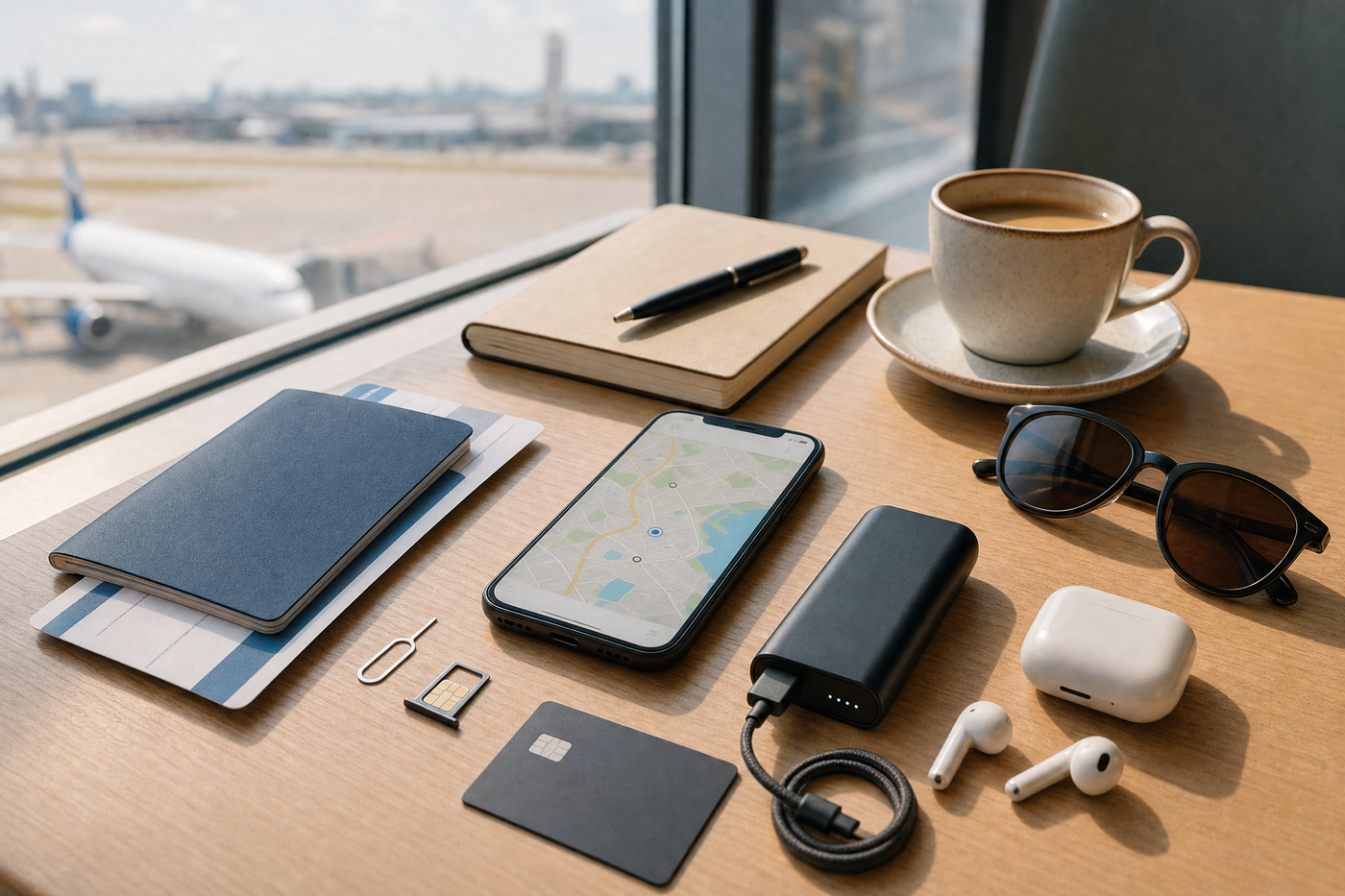
Traveling abroad doesn’t have to mean losing touch or racking up huge bills. Here’s what experienced travelers actually check to stay connected, from eSIMs to back-up plans. Use these steps for reliable, affordable connectivity wherever your trip takes you.
Start with your goal: reliable, affordable connectivity anywhere
Travelers today expect seamless internet access, but overseas connectivity can be full of hidden costs and headaches. Experienced globetrotters know the difference between impractical advice and what works on the ground. Their priority? Quick, trustworthy internet without busting the budget—or getting stuck offline just when it matters. The key is a realistic plan that fits your travel style and your destination’s options.
This guide breaks down exactly what the pros check before and during trips: from choosing the right SIM solution, to prepping offline tools and safe Wi-Fi use. Whether you're finding your Airbnb, managing bookings, or keeping in touch with family, these steps help guarantee a smoother journey.

Your trip deserves fewer tabs.
Start planning your tripKnow your options: eSIM, physical SIM, or roaming?
The first task is understanding the main ways to get mobile data abroad. The days of buying SIMs at every airport counter are almost gone, thanks to eSIMs and smarter roaming. Still, not everyone’s phone or destination supports every option, so a quick check saves headaches later.
- Roaming with home provider: Convenient but often expensive outside special plans.
- Physical local SIM: Cheap and reliable, but needs an unlocked phone—and a stop at a local shop.
- eSIM: Digital SIM you can buy anywhere with internet access. Great for multi-country trips.
Most seasoned travelers quickly check compatibility (is my phone unlocked? Does it support eSIM?) and what’s legal/available in their destination before booking anything.
Check your home plan’s roaming policy—and hidden fees
It’s tempting to land and switch on data roaming, but this is where travelers often get stung by sky-high charges. Roaming fees vary wildly, even between regions and providers. Before you board, log into your carrier’s website or app and check these key points:
- Are there international data packages for your destination?
- How much do calls, texts, and data cost per day and per MB/GB?
- Is your plan capped, or could you rack up an unlimited (surprise) bill?
- Does your plan include any free or discounted zones—like the EU for many Europeans?
If you find roaming deals that rival local options, double-check the fine print (speed limits, throttling, exclusions). If not, keep reading for alternatives.
Dive deeper: how eSIMs change the game for travelers
eSIM technology has transformed travel connectivity, especially for frequent or multi-country travelers. With an eSIM, you can buy and activate mobile data plans online—no swapping tiny cards, just a QR code or app. Here’s what savvy travelers do:
- Check device support: Not all phones/tablets support eSIMs. Flagship iPhones and newer Androids do; older devices often don’t.
- Find reputable providers: Global eSIM vendors like Airalo, Holafly, or local carriers (e.g., Orange, Vodafone, T-Mobile) often cost less than airport SIMs or roaming.
- Compare data plans, countries, and duration: Not all eSIMs cover every country, or may have limitations on hotspot/tethering. Double-check the details before purchase.
Pro tip: Experienced travelers download and install the eSIM before departure while on home Wi-Fi, and test to be sure it activates correctly.
Physical SIMs: still worth it in some destinations
Physical SIM cards remain a solid fallback in certain places, particularly where eSIM or roaming options are limited or expensive. For budget travelers or those staying longer in one country, buying a local SIM can offer unbeatable monthly or unlimited plans.
The checklist here is simple: ensure your phone is fully unlocked, carry a SIM ejector tool, and understand the basic language barrier (local carriers may not always have English-speaking staff). Expect to show your passport and sometimes complete basic registration for SIM activation. Keep your home SIM safe while using the local card and remember to store settings to switch back later.

Turn your travel ideas into a plan.
Start planning your tripAirport Wi-Fi versus local SIM connectivity
Airports, train stations, and tourist hotspots often offer free Wi-Fi. While tempting, veteran travelers approach these networks with caution. Public Wi-Fi is often slow, unreliable, or crowded—and notoriously insecure.
- Never use public Wi-Fi for sensitive activities: online banking, accessing private work files, or entering passwords without a VPN.
- Log out after use and avoid entering any personal data when connected to open networks.
- Where possible, prefer your data connection for critical tasks or use Wi-Fi in reputable hotels/cafes that require a password and have a visible staff presence.
Some airports partner with telecom providers to offer secure paid Wi-Fi that’s worth considering for brief stops, but relying on Wi-Fi alone is rarely a robust primary strategy.
Install offline maps and travel apps before you leave
Prepare for connectivity gaps by setting up essential offline apps in advance. Experienced travelers swear by downloadable maps and travel tools that work even with zero signal, allowing uninterrupted navigation and information access in airports, trains, or rural areas.
- Offline navigation: Google Maps and Maps.me both enable offline map downloads for cities or regions. Download all planned areas before takeoff.
- Translation apps: Google Translate's offline mode makes a huge difference in places with language barriers.
- Itinerary and travel docs: Apps like TripIt, Google Drive, or even PDFs stored locally provide backup access to bookings and tickets offline.
This backup preparation saves time (and stress) if data networks are slow, unavailable, or unexpectedly expensive.
Backup connectivity: stay prepared for network glitches
Even the best-laid plans can go sideways. Seasoned travelers always prepare a backup method in case their intended SIM or data plan fails.
- Download multiple maps: If one app fails, another might save your route.
- Keep a small stash of local currency: So you can buy SIMs or top-up at a shop if needed.
- Dual SIM phones or SIM adapters: These let you easily swap between home, local, and eSIMs.
- Portable Wi-Fi hotspots: For group travel or when you need to connect laptops, a pre-paid travel Wi-Fi device offers reliable fallback (just keep it charged).
Redundancy can mean avoiding hassle if plans change or an unforeseen issue knocks you offline.
Connectivity for groups and families: share wisely
When traveling with family or friends, experienced travelers look for data solutions that allow sharing. Some eSIM and physical SIM plans offer data sharing or hotspot features, making a single purchase more cost-effective for the group.
- Check hotspot rules: Some SIM or eSIM plans explicitly block sharing. Always read the terms before buying.
- Choose plans with generous allowances: Consider group needs—navigation, streaming, gaming for kids—and buy enough data for everyone.
- Bring chargers and powerbanks: Portable battery packs keep critical devices running (and prevent sharing disputes mid-trip).
A shared connectivity plan simplifies coordination—navigating cities, booking activities, or just keeping in touch when splitting up.
Security first: how to use public Wi-Fi safely
Many travelers rely on Wi-Fi for quick updates, but privacy risks are real. Public networks—especially in airports and cafes—can expose your data to prying eyes, so expert travelers take these precautions:
- Always use a VPN: A reputable virtual private network encrypts your data and thwarts most snooping.
- Prioritize HTTPS websites: Always check for the padlock symbol before logging into accounts.
- Turn off sharing: Disable file/printer sharing and AirDrop on devices in public settings.
- Forget networks when done: Don’t let your phone automatically reconnect to public hotspots later.
For sensitive tasks—checking bank balances, accessing work emails—use your mobile data connection instead of public Wi-Fi wherever possible.
Solving problems on the go: what if you lose connectivity?
No matter how well you plan, sometimes you’ll lose your connection: an eSIM doesn’t activate, a SIM runs out of data, an airport shop is closed. Here’s what seasoned travelers do in a pinch:
- Find a reliable Wi-Fi network: Large hotel lobbies, chain cafes, and branded fast food spots are often safer bets than tiny venues.
- Contact your provider’s support: Most eSIM and carrier apps offer live chat or customer service through Wi-Fi—even abroad.
- Switch back to your home SIM if needed: If in a true emergency, it’s sometimes worth incurring a short burst of roaming charges for a quick check-in or booking change.
- Ask locals or staff: Airports/train stations usually have a tourist info desk or signposting for SIM sales or connectivity help.
Travelers who remain calm and resourceful, using multiple backup tools, resolve these hiccups faster and with less stress.
Your expert traveler’s checklist: how to stay connected affordably
At the heart of staying connected abroad is a blend of research, preparation, and flexibility. Before departure, seasoned travelers move through this list:
- Check your phone’s unlock status and eSIM compatibility
- Review roaming policy and fees from your carrier
- Compare eSIM, roaming, and local SIM plans by price and coverage
- Install and test your eSIM or obtain a physical SIM before relying on it
- Download offline maps, translation, and itinerary apps
- Pack a SIM tool, powerbank, and backup payment method
- Set up a VPN for public Wi-Fi safety
- Consider a group or hotspot plan if you’re sharing data
- List support contacts and FAQs for your chosen provider
Above all, don’t assume tech or networks will work everywhere. Prepared travelers enjoy smoother, cheaper, and safer connectivity, making every trip less stressful—and more flexible—no matter the destination.