How to prepare for airport security: what experienced travelers check first
 By Leo Morgan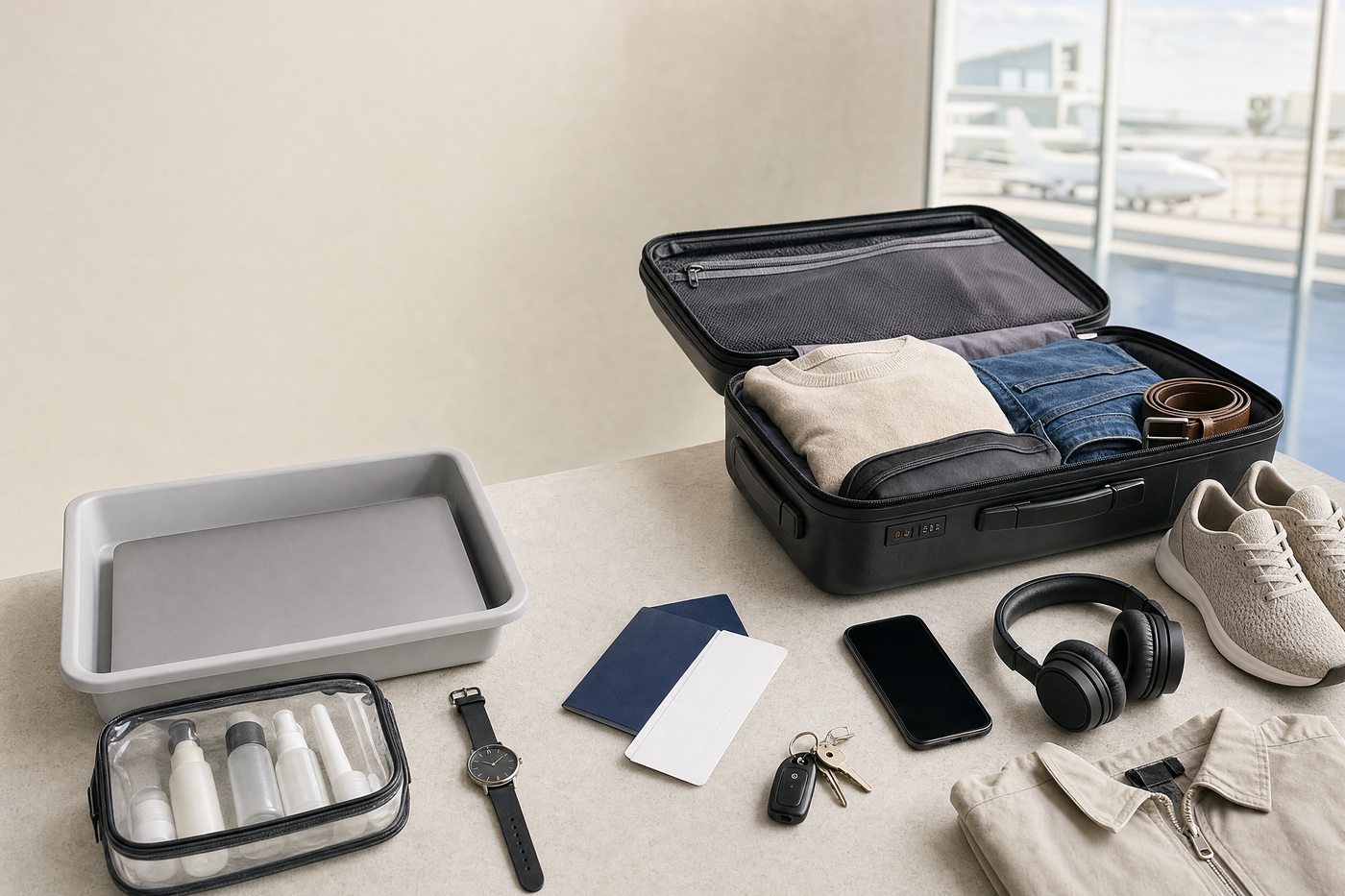
Navigating airport security can be stressful, but seasoned travelers have honed routines that transform checkpoints into a breeze. This guide gives you a clear, step-by-step approach to breezing through security, touching on liquids, electronics, documents, family strategies, line management, and more—so you arrive at your gate with time to spare.
Why experienced travelers move faster at airport security
Watching seasoned travelers at airport security can feel intimidating. They seem to glide through checkpoints, anticipating each step before it happens. What’s their secret? It’s less about insider knowledge and more about adopting a few efficient habits that any traveler can replicate. Mastering security is not about rushing but about knowing exactly what to expect and preparing accordingly.
The core advantage experienced travelers have is their methodical, calm approach. They don’t rely on luck or shortcuts, but on making conscious choices—like how to organize their bags, dress, and move through queues. These steps minimize stress and surprise for themselves and the travelers around them. Let’s break down the specific checks experienced flyers make, so you can use them to save time and avoid hassle.

Your trip deserves fewer tabs.
Start planning your tripMastering your liquids: the 3-1-1 rule and beyond
Liquids are a classic pitfall at security, but predictable rules make them manageable. The 3-1-1 rule—3.4 ounce (100 milliliter) maximum per container, all containers fitting inside a single quart-size transparent bag, one bag per passenger—remains the gold standard in most countries. Check your departure and destination airport for updates, as some locations are piloting relaxed regulations with advanced scanning technology.
- Pack your liquids bag last, placing it on top or in an outside pocket for easy access.
- Include only essential toiletries—consider solid versions (like bar soap or stick deodorant) to further simplify.
- If traveling with family, remember each ticketed passenger can carry their own liquids bag, including children.
Note: Baby formula, breast milk, and medications get exceptions, but declare these at screening. Knowing the rules helps you avoid that last-minute scramble at the conveyor belt, and experienced travelers never wait to be asked to retrieve their liquids bag—they do it as soon as a bin is available.
Electronics: anticipating laptop and device screenings
Laptops and large electronics mandate extra scrutiny at security checkpoints. The key is to know which of your devices must be removed from their cases for separate screening. Typically, laptops, full-size tablets, and gaming consoles need their own bins. Smaller devices like phones and e-readers usually don’t, unless directed otherwise.
- Organize your bag so large electronics are stacked together, near the top, and can be quickly lifted out in one move.
- Travelers with family should consolidate electronics if possible, to reduce confusion and keep kids focused.
- If your airport offers TSA PreCheck or a similar fast lane, you may not need to remove electronics—but double-check before arrival.
Pro move: Use a checkpoint-friendly laptop sleeve that unfolds flat, letting you pass the whole sleeve through separately instead of removing the computer entirely.
Documents and identification: preparation is everything
Every airport experience begins with a passport or ID check, and misplaced documents are the fastest way to induce panic. Veterans always keep their passport, boarding pass (digital or paper), and any required visas or COVID documentation organized in a dedicated travel wallet or immediately accessible pocket.
- Before you enter the security line, pull out your ID and boarding pass so you’re not fumbling under pressure.
- Families: Have one adult hold all children’s documents, or assign each child responsibility based on age and confidence.
This preparation is especially crucial in busy airports, where crowds and noise can quickly frazzle nerves. Double-check the travel requirements for your destination (including transit points), so you know what authorities will expect at each stage.
Dressing for success: clothing that won’t slow you down
Security lines aren’t the runway, but what you wear can make a huge difference in how smoothly you get through. Seasoned travelers choose slip-on shoes, minimal jewelry, and belts with plastic buckles or no belt at all. That way, when the time comes to remove items, you’re not left battling with layers or laces.
- Empty your pockets—including change, keys, and transit cards—when joining the queue, then place everything in a single easy-to-grab pouch or jacket pocket.
- Wear jackets or outer layers that can be easily removed with one hand and stowed in a bin.
Families with young children can streamline by dressing kids in simple clothing and avoiding complicated shoes or accessories. Swift preparation means a smoother process for all.

Turn your travel ideas into a plan.
Start planning your tripTiming your arrival and picking the right line
How soon should you arrive at the airport? Experienced travelers err on the side of caution—but not by too much. For domestic flights, 1.5–2 hours early is typical; for international, aim for 2.5–3 hours. Always check for special requirements if your airport is known for long lines or surprise delays.
Choosing the optimal security line can make a surprising difference. Look for checkpoints where staff are already helping people into bins efficiently, and avoid lines behind families or large tour groups if you’re solo. Families, on the other hand, may want lanes marked as “family-friendly,” which are designed for slower, more accommodating service.
Mountain airports, busy holiday seasons, and flights early or late in the day can mean even more congestion—another reason the experts always factor in a cushion and adjust for local patterns, not just airline guidance.
Security with children: expert family strategies
Family groups face special logistics, but a calm plan makes security smooth for everyone. Discuss the process with kids beforehand: Explain why shoes come off or favorite toys go in bins. Make a game out of ‘who can empty their pockets fastest’ on approach.
- Assign adults to ‘scout’ and organize: One parent manages documents and bins, another keeps eyes on children and bags.
- Pack snacks, comfort items, and electronics in easily reachable spots. Show kids their liquids bag (if they have one), and encourage older children to help.
- Bring collapsible strollers or carriers; most must be checked at the gate but need to be folded for screening.
Patience is essential: Give yourself more time than you think you need. Accept that traveling with kids is slower, but having a family plan means everyone will feel more secure and less stressed.
Special considerations: medical needs and exceptions
Traveling with medical equipment or special items? The best travelers know to research exceptions before departure and carry a doctor’s note or prescription whenever possible. Notify security staff as soon as you arrive at the checkpoint. Items like insulin, EpiPens, syringes, breast pumps, and assistive devices (CPAP machines, wheelchairs) are allowed but must be declared.
- Keep all medical items in their original, labeled containers for smooth screening.
- Pack them at the top of your bag, ready to hand over without holding up the line.
- Gel-based medication may count as a liquid; check specific guidelines for your route.
If you have a pacemaker or can’t pass through full-body scanners, request a pat-down. Staff are used to these requests and will accommodate, but advance preparation and notification speed the process considerably.
Tip: what to do when your bag is flagged
No matter how meticulously you pack, sometimes your bag will be marked for a manual check. Experienced travelers remain calm and cooperative. Remember, it’s rarely personal—most flags are caused by dense packing, unscanned electronics, or stray liquids.
- If asked, step aside promptly and observe the inspection without interfering.
- Stay polite, answer questions succinctly, and try not to touch your items until invited by the officer.
- Mental checklist: Do you have anything unusual that might need explanation (food, gifts, batteries)? Be prepared to discuss.
If something is confiscated, note exactly what and why. Some items (like large bottles of liquid) won’t be returned, but medical and assistive devices usually will be repacked once confirmed.
Efficiently repacking after security
Once cleared, professional travelers slip back into organization mode before leaving the screening area. Rather than blocking the end of the conveyor, they quickly gather bins and bags and carry them to the provided repacking tables or benches. There, they methodically restore electronics, refill pockets, and check for stray items.
- Do a quick inventory: phone, wallet, passport, laptop, and all carry-ons.
- Families: Have kids ‘count off’ their own belongings to help stay organized and reduce lost-property incidents.
Take a moment to secure your travel wallet and valuables, double-check that nothing is left behind, and calmly proceed to your gate—now that you’re through the most stressful part of the journey.
Adapting to new technologies at security checkpoints
Airport security technology is evolving. Some airports now feature computed tomography (CT) scanners, which can analyze bags in 3D and often allow liquids and laptops to stay packed. But the availability of these lanes varies widely—always check with your departure airport or signage on approach.
- Even when using a high-tech lane, keep liquids and laptops consolidated just in case you’re asked to remove them.
- Digital boarding passes are accepted almost everywhere, but keep a printed backup for rare scanner hiccups.
- Watch for biometric ID trials or automated passport controls, especially at major hubs in the US, UK, and Europe.
Experienced travelers stay informed by scanning airport websites or apps before every journey. Adapting quickly to new systems can significantly decrease your risk of delays and confusion.
The traveler’s checklist: quick recap of expert pre-checks
- Pack liquids in a clear 3-1-1 bag on top—declare baby items or meds if needed.
- Group electronics for easy removal; know if a check is required for each device.
- Keep documents accessible; brief your family and assign responsibilities.
- Dress simply, favoring slip-on shoes and empty pockets.
- Arrive early, but adjust for airport-specific congestion.
- Prep your children for the steps; use family lanes if available.
- Flag medical needs early with appropriate documentation.
- Stay polite and patient if selected for further screening.
- Repack and check personal items before leaving bins behind.
- Research if new tech lanes permit packed liquids/electronics.
By following these seasoned tips, any traveler can transform airport security from a stressful gauntlet to a predictable part of the adventure. Master these checks, and you’ll feel confident and in control, ready for whatever the journey brings.