How to plan a trip around public transport: a simple step-by-step guide
 By Leo Morgan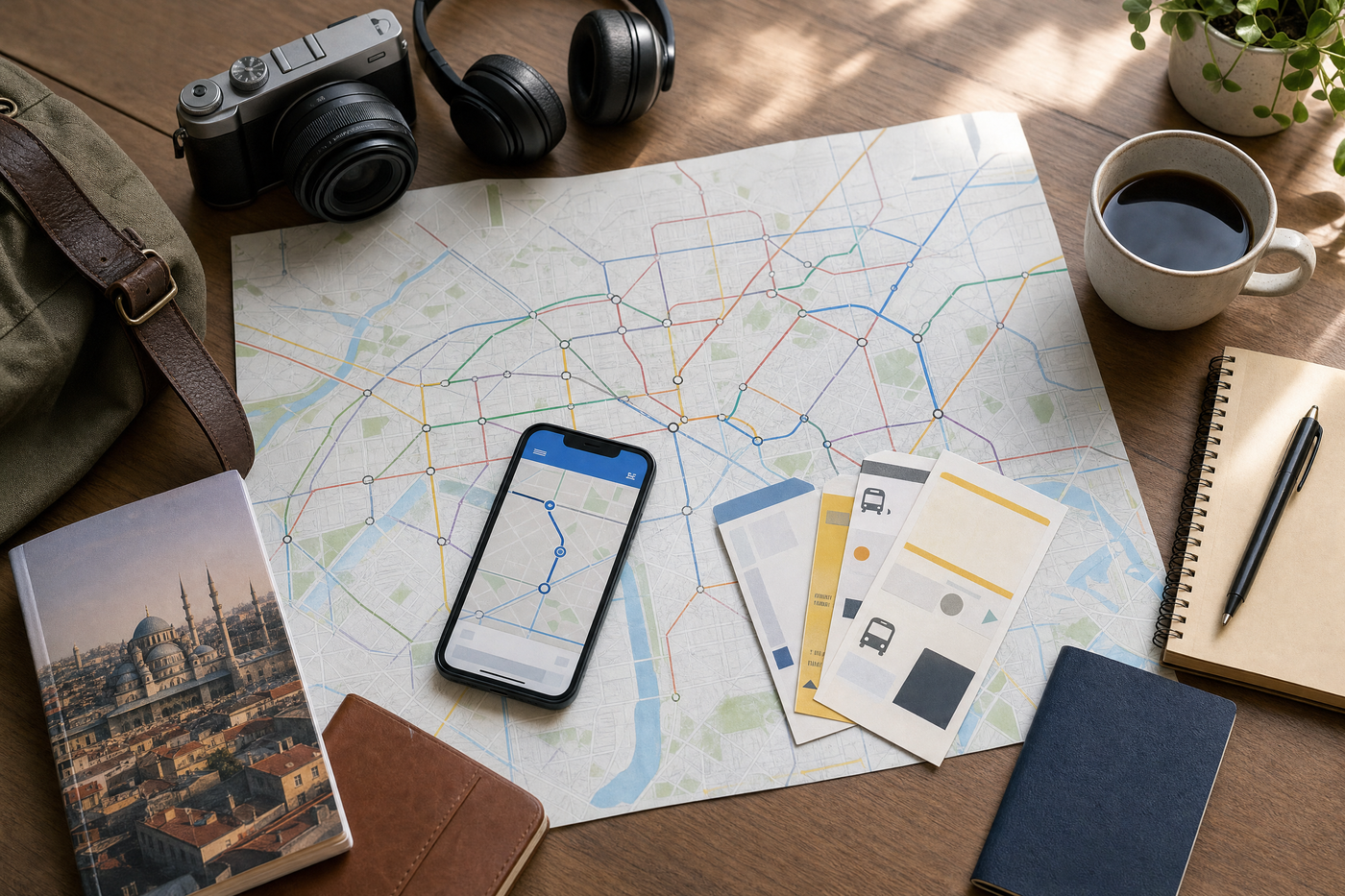
Planning a trip using public transport can make your travels smoother, more affordable, and environmentally friendly. In this step-by-step guide, we outline how you can choose the right hotel, research local networks and passes, plot day trips, and prepare for practicalities like luggage and late-night journeys—all in a sequential workflow.
Define your goals and destination priorities
Before diving into timetables and route maps, identify the purpose of your trip. Are you sightseeing, visiting friends, or attending an event? Will your trip focus on a city, rural area, or region? Which attractions or neighborhoods are non-negotiable for your travel plans?
Narrow your priorities to clarify which areas you want to spend the most time in, as this will directly influence hotel choice and transport use. For example, a culture-focused city trip might prioritize downtown walkability, while a countryside getaway might hinge on rail lines or local buses. List the top three to five things you want to experience so you can target public transport connections realistically.

Your trip deserves fewer tabs.
Start planning your tripMap the public transport network early
As soon as your destination is set, research the available modes of public transport—buses, trams, trains, ferries, and even cable cars. Visit official transport authority websites and download city or regional network maps. Look out for route planners or smartphone apps that provide up-to-date schedules and route suggestions.
Key questions to answer include: Where do most transport lines intersect? Are some areas better served than others? Which routes link hotels, main stations, and top sights? Understanding the network structure will help you avoid isolated hotels or long, awkward transfers during your trip. If the destination supports ‘hub-and-spoke’ transit, try to center your plans around major hubs for seamless connections.
Choose the ideal hotel for easy connections
The right hotel location makes or breaks your car-free travel experience. Focus on accommodation within a few minutes’ walk to a major train or metro station or a key bus or tram stop. If you arrive by intercity train or airport, staying near a main station may save significant time, especially with early departures or late arrivals.
- Centrality: Hotels in city centers or near main stations typically offer the best transit options, though suburban locations along direct lines can also work.
- Safe, well-lit walkways: Check reviews or maps to ensure your route between hotel and transit is comfortable at all times of day.
- 24-hour desk: Consider hotels with round-the-clock reception for late transport arrivals.
Boutique B&Bs or apartments close to transit stops can also be great choices if you verify access and hours. Always confirm walking distances online, ideally by using Google Street View or similar tools before booking.
Understand and purchase local transit passes
Local or regional travel passes can save substantial money and simplify planning. Research both day and multi-day passes—many cities offer unlimited rides within a time window (like 24, 48, or 72 hours), while some regions provide flexible options covering trains and buses or even airport transfers.
- Coverage: Study the validity zones of each pass (city, wider region, or multi-region) to avoid unexpected gaps.
- Activation: Know whether passes need to be validated on first use or at a counter.
- Discounts: Some passes include discounts for museums or guided tours, adding value beyond transport.
- Mobile or paper: More areas now accept digital passes on phones—research how to obtain and use these in advance.
Buy ahead online if possible, or plan where to purchase on arrival. Having your pass ready speeds up your first day and reduces the chance of fines or confusion.
Plan your arrival and departure logistics
Arrivals and departures often determine your first and last impressions of a destination. Consider transport between your arrival point (airport, train, or bus station) and hotel. Research the frequency, hours, and cost of express trains, shuttles, or metro connections. If arriving late at night, check the timing of the final services.
On departure, factor in luggage handling—does your route include lots of stairs, tight transfers, or long walks? Are there left-luggage facilities at stations or the airport if you have time before your next leg? Several airports and major stations now provide luggage storage, but availability varies widely. Booking a hotel with easy transit access and storage can save you stress and taxi fare on travel days.

Turn your travel ideas into a plan.
Start planning your tripMaster luggage strategy for public transport
Traveling car-free means your suitcase needs to be manageable on platforms, in crowded vehicles, and along city sidewalks. Opt for wheeled luggage you can easily roll or carry up stairs. If you expect to use smaller buses or trams, pack lighter. Soft-sided bags often fit easier into racks or overhead spaces than rigid cases.
- Hands-free essentials: Use a backpack or crossbody bag for valuables and must-have items while keeping one hand free.
- Storing bags: Large suitcases may go in the luggage sections of trains or buses but must be kept close on subways and trams.
- Security: Monitor your bags at all times, especially at busy stations and tourist hotspots.
If you plan ambitious day trips, prioritize hotels or stations offering left-luggage lockers, so you can explore unencumbered before check-in or after check-out. Always check the opening hours and costs beforehand.
Plot day trips and excursions from transit hubs
Public transport unlocks a wide range of easy day trips, especially if you plan around high-frequency or direct routes. Use transit planners to discover popular and lesser-known destinations within 30-90 minutes of your base, such as scenic towns, hiking trails, or beaches. Prioritize places reachable on a single mode (e.g., direct train) to avoid complex transfers with tight connections.
- Advance tickets: Some rail or bus routes require pre-booking, especially on weekends or holidays.
- Return schedules: Always check the timing of the last return service before you set out.
- Flexibility: Build some slack into your plans in case of delays, missed connections, or lingering at a favorite spot.
Consider ‘hop-on hop-off’ passes if available, which enable exploration of multiple stops in one day. Save offline maps or timetables to your phone for reference if connectivity is spotty.
Balance guided vs independent trips
Some regions offer guided day tours or packaged excursions that use public transport as part of the itinerary. Weigh the benefits of joining a group (which can include reserved seats, expert commentary, and language support) versus traveling alone at your own pace. For hard-to-reach spots where public routes are limited or infrequent, guided options may be the most practical.
On the other hand, cities with comprehensive networks make independent day tripping rewarding and affordable. Compare the costs, time, and flexibility of both options and consider booking a mix—guided tours for complex destinations, solo exploration for straightforward routes. Many reputable operators allow online booking with instant confirmation.
Prepare for late-night and early-morning travel
Public transport schedules can thin out in the late-night or early-morning hours. Research the frequency and availability of night buses, 24-hour tram lines, or overnight trains if you have late arrivals, early departures, or wish to enjoy local nightlife. Determine how long services run on weekends versus weekdays—many cities offer better late-night links on Fridays and Saturdays.
- Safe routes: Stick to well-lit, busy stations and stops.
- Back-up plans: Save taxi or rideshare details in case the last public transport has left.
- Night tickets: Some areas require special tickets or surcharges for night services—buy these in advance when possible.
If you foresee late activity, book a hotel near a station with night service to save time and hassle when returning after hours.
Access real-time information and apps
Even the best plans can be derailed by delays, route changes, or service disruptions. Download official transport apps or third-party route planners before your trip. Most major networks offer real-time departure boards, service alerts, and mobile ticketing. Use these apps to check for strikes, engineering works, or last-minute schedule changes.
- Offline tools: Save key maps and schedules for offline access—you may not always have data or Wi-Fi.
- Language settings: Switch your app or website to English or your native tongue, if available, to avoid confusion.
Bookmark the most useful tools early and practice their main features. Knowing how to re-route yourself or find the next departure can be a trip-saver.
Embrace flexibility and enjoy the journey
One of the joys of public transport travel is discovering how local life flows along tram lines, ferries, and regional trains. While planning is key, allow for spontaneous detours—maybe you catch a lively market by accident or decide to hop off for an unscheduled stroll.
If delays or disruptions arise, view them as opportunities to explore a new café or neighborhood. Not every leg will go perfectly, but keeping a flexible mindset helps transform small hiccups into unexpected adventures. Mix ‘must-see’ sights with downtime and local experiences to make the most of your car-free journey.
Checklist for a seamless public transport-based trip
- Hotel: Within a short walk to major transport hub, safe 24/7, and ideally offers luggage storage.
- Transit pass: Pre-purchased or ready to buy on arrival, covers all planned zones and modes.
- Arrival/departure plans: Mapped with backup options for late/early circumstances.
- Luggage: Lightweight, easily portable, and secure with essentials separate.
- Day trips: Routes plotted, tickets pre-booked if needed, return times checked.
- Late night/early morning: Know service times and have a taxi or rideshare app loaded.
- Apps/info: Official or third-party planner installed, key info saved offline.
Your trip will be smoother with these essentials covered. Taking a public transport-first approach opens up easy, greener adventures wherever you go.