How to plan a trip around food: common mistakes and better alternatives
 By Leo Morgan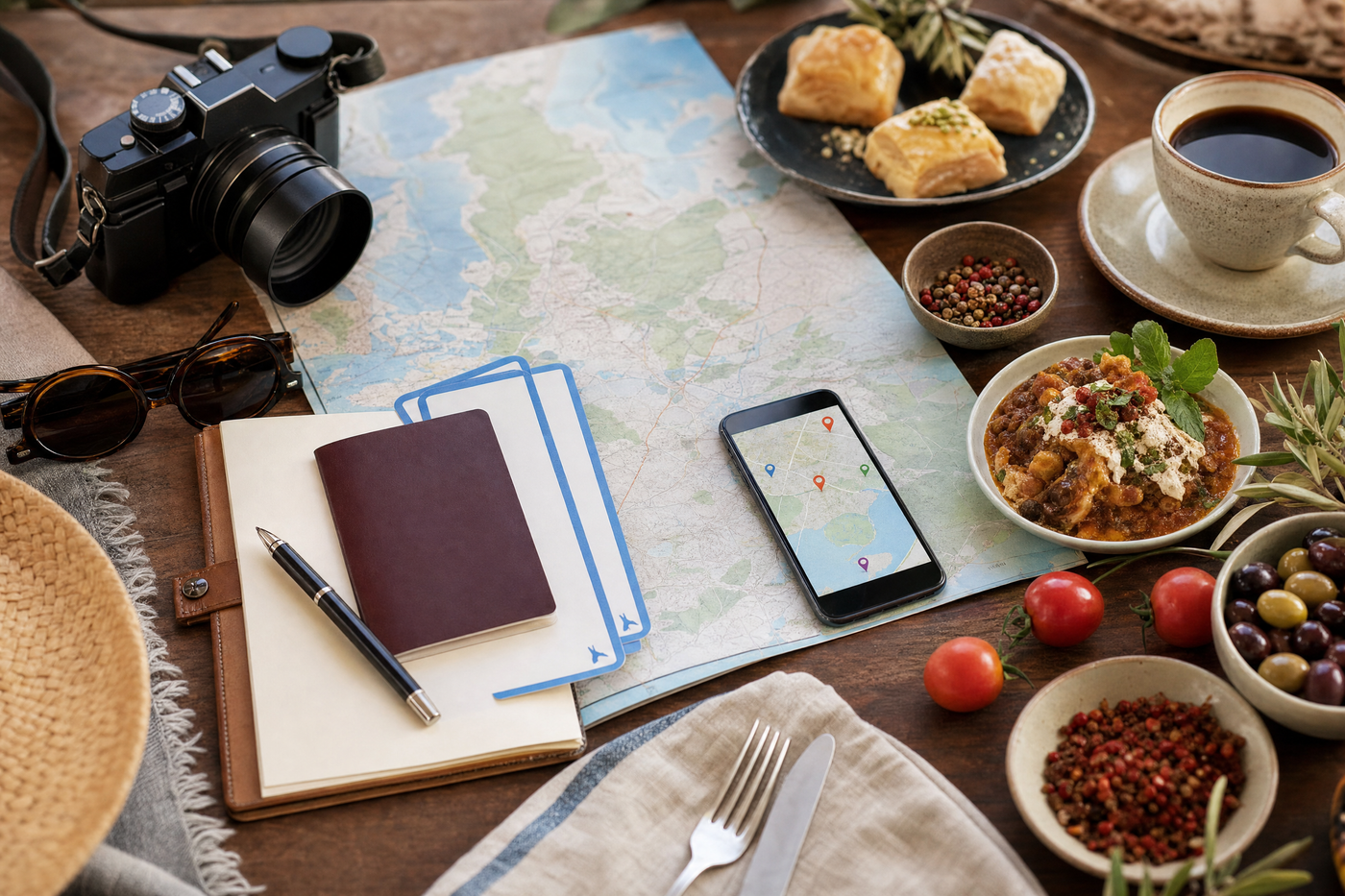
Travelling for food is about more than just hitting famous restaurants—successful culinary journeys need balance, flexibility, and smart planning. In this guide, we break down the most common slip-ups food-focused travellers make and offer practical solutions for creating a genuinely satisfying food itinerary, blending markets, classes, snacks, and memorable meals.
Food travel dreams versus real-life challenges
Many travelers begin food-focused trips envisioning multiple perfect meals each day, but reality often falls short. Scheduling three sit-down restaurants daily becomes exhausting, overpriced, and less fun than anticipated. Even passionate foodies can get palate fatigue or run into local closures and long waits. Perfect meals aren’t guaranteed every time, and sometimes the best flavors are found where you least expect them.
The key isn’t less enthusiasm, but smarter planning. Balance is essential. Overpacking your day with food stops drains energy and leaves little room for discovery or rest. The best food itineraries mix high and low experiences, flexibility, and a dash of spontaneity.

Your trip deserves fewer tabs.
Start planning your tripCommon food trip mistakes that can derail your experience
- Overbooking restaurant reservations: Scheduling a rigid sequence of sit-down meals can lead to exhaustion and missed culture.
- Neglecting local markets: Markets offer insight into daily life and tastes you’d never spot on a restaurant menu.
- Missing out on street snacks: Focusing only on formal venues means skipping the best bites, often from stalls or carts.
- Underestimating food tour value: Many travelers think they’re ‘not for them,’ but tours often pack in learning and tastes hard to access solo.
- Overlooking reservation lead times: For popular destinations, last-minute bookings are rare.
- Forgetting to plan for dietary flexibility: Dietary restrictions, closed kitchens, or unexpected cravings require backup options.
A truly memorable food trip means seeing food as a vibrant part of life, not just a checklist.
Start with a restaurant map but don’t treat it as a locked itinerary
Creating a restaurant map as your food trip foundation is a smart move. Use online platforms, food blogs, and apps like Google Maps or Mapstr to pin possible spots, ranging from bucket-list restaurants to bakeries and holes-in-the-wall.
However, it’s important to treat this map as a toolkit, not a rigid sequence. Prioritize a few must-try places and identify their opening hours, reservation policies, and days off. Populate the map with variety—one or two high-end picks, plus casual eateries and places popular with locals. This way, you’re prepared, but not boxed in. Leave open slots each day for spontaneous discoveries and recommendations from people you meet.
Making the most of local markets and why they matter
Food markets are where culinary traditions come alive. Skipping them means missing daily rhythms and flavors you’ll rarely find in a formal restaurant. In many destinations, morning markets offer spectacular starts: sample local pastries, observe shopping habits, or grab a quick breakfast with residents. Evening and night markets transform into tasting playgrounds, especially in cities renowned for street food.
Markets are also the ideal destination to pick up edible souvenirs, from spices to sweets. Plan at least a couple of market visits, ideally at different times of day. If possible, fit them around your main meals to avoid overwhelming your palate or wasting money on food you’re too full to enjoy.
How to fit street food and snacks into your trip
One of the biggest oversights in food itinerary planning is not leaving space—not just time, but appetite—for street food and snacks. The allure of full-course meals can crowd out what could be the highlights: a grilled skewer, a local pastry, or an unexpected fruit at a stand.
Build snack time into your schedule by sometimes skipping formal lunches in favor of market grazing, or allocating a ‘snack walk’ ahead of dinner. For health and comfort, pack hand sanitizer and go for the busiest stalls (a sign of freshness and popularity). Street food gives access to a region’s authentic tastes and connects you directly with local culture. Even simple snacks can be profoundly memorable.

Turn your travel ideas into a plan.
Start planning your tripMaking sense of reservations: when, why, and how
Some of the world’s most sought-after restaurants are booked out weeks—or months—in advance, especially in major cities or culinary hotspots. A frequent mistake is to leave reservations as an afterthought. If you’re dreaming of a specific fine-dining venue or a wildly popular neighborhood spot, research their booking policies the moment you begin planning.
Don’t overload your trip with bookings; instead, choose one or two truly “special” meals, and leave other days flexible. Look into cancellation options if your schedule changes, and aim for off-peak seatings (such as early lunches or late dinners) to increase your chances. For mid-range venues, phone ahead or use apps to check live availability once you arrive in town. And always confirm bookings 48 hours ahead, just in case.
The underrated value of food tours and cooking classes
First-timers sometimes shy away from group food activities, fearing they’re too structured or touristy. But a quality food tour or hands-on class can shortcut your learning curve, reveal hidden gems, and unlock local hospitality in ways solo exploration can’t. Food tours typically cover multiple stops, introducing you to specialties you might miss. Cooking classes can deepen your appreciation, as you prepare and taste regional dishes side by side with locals.
Choose tours and classes focused on authentic, small-scale experiences. Read recent reviews and look for guides who dig into culture as much as cuisine. Booking early is essential, as high-quality group sizes are often intentionally small. Leave a little time before or after group activities to revisit your favorite spots from the tour at your own pace.
Budgeting realistically for a food-focused trip
One of the most common pitfalls: underestimating food costs when designing an itinerary centered around eating. Expenses can quickly climb with multiple restaurant meals, snacks, markets, food tours, and specialty drinks. That’s why it pays to plan with a range in mind—allocate funds for splurge meals, calculate an average daily spend for regular dining, and factor in spontaneous snacks and souvenirs.
Many destinations offer incredible food at every price point. Recruit local resources or social media groups to identify spots where locals eat, and save your money for a handful of showstopping experiences. If you self-cater occasionally from market finds or hostel kitchens, you’ll gain variety and save for those bigger bites. Reviewing menus online or asking in advance helps avoid surprise costs.
Building flexibility into your food itinerary
While planning ahead matters, don’t underestimate the need for flexibility. Sometimes the best food memories come from last-minute pivots—an irresistible food stall, a festival you hadn’t heard of, or a meal shared with strangers you just met. If you schedule every meal, you close the door to these surprises.
To keep your trip dynamic, designate “open” meal times each day. Keep digital bookmarks of backup eateries nearby your main attractions, and don’t be afraid to skip a pre-picked spot if something local catches your eye. Always have a shortlist of nearby snack options in case hunger strikes off schedule. This approach reduces stress and increases your chance of unexpected delights.
Balancing food plans with sightseeing and rest
A high-profile meal can take hours—time that’s easily overlooked when plotting out all the eateries on your bucket list. Prioritize your food experiences, but make sure you’re not missing out on equally memorable non-food highlights. Block full afternoons for market or tour exploration, but also set aside time to explore museums, parks, and neighborhoods.
Listen to your body: overeating or running from meal to meal can dampen enjoyment. Consider alternating days focused on definitive food experiences with lighter snack-based walks or cultural discoveries. This pacing lets you fully appreciate both the flavors and sights of your destination, without fatigue or overload.
Adapting when things go wrong
No matter how carefully you plan, the unexpected will happen—shops might close, the restaurant you’d dreamed about could be fully booked, or you may face sudden dietary needs. The best prepared travelers build adaptability into their mindset. Weave backup plans into your schedule, and stay curious.
Carry a shortlist of alternative food stops for every key meal, organized by area. Check for public holidays, local festivals, and seasonal changes before you travel. Use translation apps to navigate menus and communicate dietary preferences. If plans collapse, see it as a chance to discover something off the radar. Sometimes these curveballs result in the stories you tell for years to come.
Final thoughts: food as a joyful thread, not a checklist
The most rewarding food trips balance anticipation with openness. See each meal as a thread weaving through your travel story, not just another item to tick off. Mixing acclaimed restaurants with hidden local favorites, lingering in markets, joining a class, and following your appetite leads to richer memories. A little planning, flexibility, and a willingness to improvise will help you savor every destination—bite by bite, moment by moment.
Travel for food is about joy, curiosity, and connection. Savor it all, and let the best experiences—planned or accidental—shape your story.