How to pack toiletries for carry-on travel
 By Leo Morgan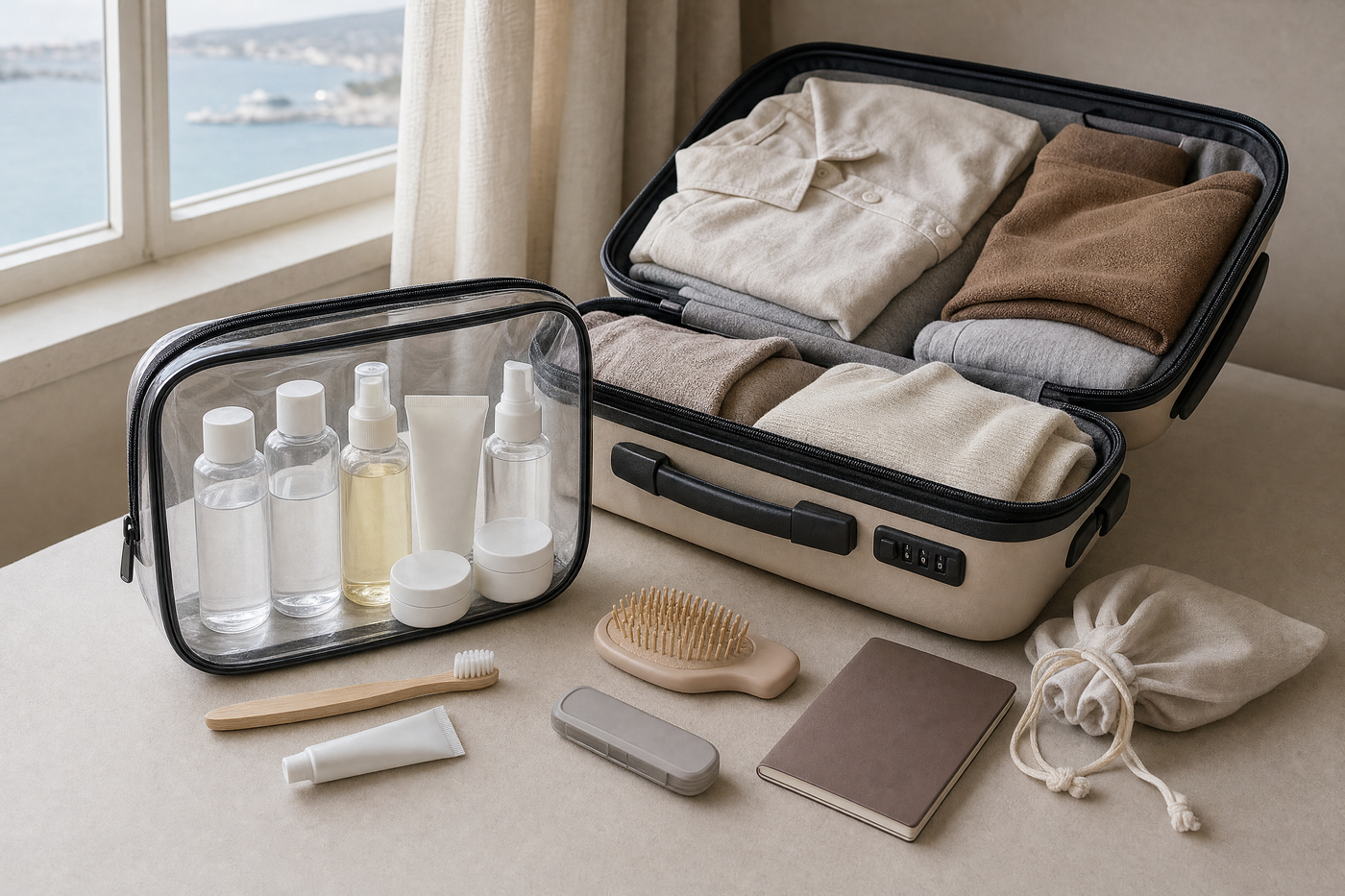
Packing toiletries for carry-on travel means navigating liquid restrictions, preventing leaks, and keeping essentials accessible. This comprehensive guide covers smart packing systems—from compliant liquid limits and solid alternatives to strategic medicine storage—for every step of your trip.
Understanding liquid rules for carry-on travel
Airlines worldwide, especially those following TSA and EU regulations, place strict limits on the amount and packaging of liquids you may bring in your carry-on luggage. The cornerstone is the ‘3-1-1’ rule: each passenger may carry liquids, aerosols, gels, creams, and pastes in containers no larger than 100ml (3.4 ounces) each. All these containers must fit into a single, clear, resealable quart-size (about 1 liter) bag. Ensure your bag can seal comfortably; overstuffed bags may be flagged for additional screening or require you to throw items away.
These rules apply to nearly all toiletries: shampoo, conditioner, lotion, sunscreen, toothpaste, and even some food items like yogurt or peanut butter. Remember, anything with a fluid consistency counts as a liquid or gel. When in doubt, pack it as if it counts. If you violate these limits, you risk losing your toiletries at security. Always double-check the specific requirements of your departing and connecting airports, as there can be small variations.

Your trip deserves fewer tabs.
Start planning your tripChoosing the right toiletry bag for air travel
The correct bag makes a difference in both speed through security and leak protection. A TSA-compliant clear toiletry bag proactively shows airport staff your contents, speeds up inspection, and keeps everything contained. Opt for a durable bag with a strong zipper that seals fully. Some travelers prefer bags with reinforced seams or thick, flexible plastic; these are less likely to split in a packed suitcase.
Look for bags that stand upright and allow you to rearrange bottles vertically. Flat or extra-wide bags can be harder to maneuver at fast-paced checkpoints. Many travel stores and online retailers now offer reusable bags specifically sized for the 3-1-1 rule—these are more eco-friendly than disposable ziploc-style bags and are less likely to tear with repeated use. Remember to keep your toiletry kit within easy reach in your hand luggage to speed up the airport security process.
Decanting and using refillable containers
Refillable travel bottles make it practical and eco-friendly to pack your favorite products. Instead of buying single-use minis, transfer shampoo, conditioner, moisturizers, or cleansers into sturdy, labeled containers. Silicone bottles are pliable, resistant to breakage, and easy to squeeze completely. Hard-sided bottles can offer extra leak resistance for runny liquids, but may not compress as easily in your toiletry bag.
Label every container with both the product name and expiration date, using waterproof ink or printed labels. This avoids confusion mid-trip and stops you from grabbing the wrong product in haste. Before packing, test each cap for tightness and consider taping the lids shut or using a small layer of plastic wrap under the cap for more leak protection. If possible, only fill each bottle about 80% full to allow for expansion and contraction with altitude changes.
Prioritizing multi-purpose products
Reducing the number of items in your toiletry kit is a sure way to save space and minimize stress. Multi-use products, such as an all-in-one cleanser and moisturizer, solid shampoo bars (which also wash your body), or a tinted SPF moisturizer, can replace several single-purpose items. Look for travel-sized products specifically formulated for multiple tasks—they often come in airline-approved containers and help you make the most of your limited space.
Alternatively, try minimalist basics: a gentle, pH-balanced soap bar for face and body, a leave-in conditioner that also detangles, or a 2-in-1 toothpaste and mouthwash. By selecting versatile products, even the most compact kit can handle hotel rooms, rental apartments, warm-weather destinations, and in-flight freshening up, all with fewer liquids to manage at security.
Exploring solid swaps: essentials that aren’t liquids
- Shampoo and conditioner bars: Compact, long-lasting, and airport-proof, these solid versions work for both hair and body.
- Bar soap or cleansing rounds: Classic bars or dissolvable sheets are lightweight and avoid spills.
- Solid deodorant: Counted as a solid, not a liquid—ideal for hot climates or post-flight freshening.
- Toothpaste tablets: Chewable or dissolvable tablets replace bulky tubes, take up almost no space, and cross borders with zero fuss.
- Sunblock and bug repellent sticks: Solid sticks are quick to apply, protective, and won’t leak at altitude.
Swapping to solids not only circumvents liquid limitations but also drastically cuts the risk of leaking bottles. Most solid options can be stored in reusable tins or pouches, keeping your kit tidy and your mind at ease.

Turn your travel ideas into a plan.
Start planning your tripManaging prescription and over-the-counter medicines
Travelers are often unsure how to pack medicines when flying. Officially, liquid prescription medications and essential liquid medical supplies are exempt from the 3-1-1 rule but must be declared to security officers at the checkpoint. It’s wise to keep them in original packaging and clearly labeled, along with a copy of your prescription. This expedites the screening process—especially for international trips or when you need refrigerated or controlled medicines.
For daily vitamins, allergy meds, or painkillers, use a travel pill container with individual sections for each day or dose. If you must pack essential liquid medications, carry a doctor’s note and inform the officer that it exceeds standard limits. Double-bagging these items helps prevent accidental leaks or spills. Always keep medicines in your carry-on—not checked baggage—to avoid the risk of lost luggage separating you from crucial items during your trip.
Leak prevention and cleanup strategies
Few experiences dampen a trip faster than shampoo or sunscreen oozing across your luggage. Focus on preventing leaks by tightening lids firmly, adding plastic wrap between the cap and bottle, and considering bottles with a locking mechanism. Squeeze out any extra air to minimize expansion at low cabin pressure. Place your toiletry bag upright in your carry-on, ideally at the top or in a side compartment for quick access and so nothing squishes it.
Pack a few zip-top bags and a small microfiber towel: the former contain accidental messes, and the latter cleans up quickly. For especially runny items, like micellar water or toner, double-bag these bottles inside their own plastic pouch. When you arrive, unpack toiletries right away to prevent slow leaks from damaging clothing or electronics. Building leak prevention into your packing routine takes only a few minutes and delivers considerable peace of mind.
Grooming tools and accessories for compact packing
While toiletries often get the most attention, a functional travel grooming kit covers tools for shaving, hair, and nails. Choose compact, multi-use accessories: a small folding brush and comb, a dual-use nail clipper/file, and travel razors with blade covers. Some brands make lightweight, TSA-approved scissors, tweezers, and mini mirrors that slide safely into your kit.
If you use electric grooming tools (trimmers, toothbrushes), pick rechargeable, travel-sized versions with protective caps. Pack cords and chargers in a separate pouch to avoid tangling or water exposure. By creating a dedicated slot for tools within your toiletry bag or a separate slim case, you avoid mid-trip scrambling to find what you need or risking accidental injuries from exposed blades.
How to optimize your kit for hotels, rentals, and warm-weather travel
Lodging and climate influence which toiletries you actually need. Most hotels provide basic amenities: shampoo, conditioner, soap, and sometimes lotion. Check your booking details, and skip packing what’s already supplied. In rentals, amenities can be unpredictable, so if you’re particular about brands or ingredients, supplement with your chosen favorites in travel bottles or solids.
Warm-weather destinations demand extras: lightweight sunscreen (solid or stick formats last longer in heat), extra deodorant, and after-sun lotion. Humid places call for anti-frizz hair products, powder, or oil-absorbing sheets. Review the weather, your daily plans, and local customs (like covering up or modesty expectations) to ensure your kit remains both practical and respectful. Regularly edit your kit at your lodging: remove empty bottles, restock essentials, and store unused items dry so nothing spoils or leaks between outings.
Planning for in-flight comfort and hygiene
Packing a mini pouch for in-flight use can greatly improve long journeys. Essentials might include a toothbrush and toothpaste tablet, face wipes (in a sealed pouch), eye drops, and lip balm (solids preferred). A travel-sized hand sanitizer spray or gel (under 100ml) is a must for planes and airports, as is a small pack of tissues. Choose unscented products to avoid bothering fellow passengers.
Make this in-flight kit separate for easy access, and don’t overpack—security officers may ask you to pull it out at screening. For overnights or red-eyes, add an eye mask, earplugs, and perhaps a facial mist (if under 100ml) to stay refreshed. Reseal everything tightly post-use to avoid leaks when returning to your main bag.
Refreshing your kit during longer journeys
Multi-week trips or warm climates mean your toiletry bag will need maintenance. Restock items that run out, rinse used containers to prevent mold, and air out the bag itself to avoid lingering odors. If possible, find refill stations or local shops for bulk products or solid toiletries: this both reduces plastic waste and ensures continued access to necessities.
If staying in one place for a while, separate your day-to-day items from occasional-use products (like face masks or styling gel) and store the latter elsewhere. This simplifies your routine and keeps your kit uncluttered. Schedule a mid-trip toiletries audit: discard anything expired, sticky, or unused so everything remains travel-ready and stress-free.
Final checklist: a streamlined system for every trip
- Review liquid restrictions before each flight—rules may change for connections or new routes.
- Pre-pack your clear bag with labeled, tightly sealed refillables and leakproof bottles.
- Swap common liquids for solids where possible, and store them in reusable tins.
- Pack prescription medicines with labels and documentation—declare them at security if liquid.
- Bring only essential grooming tools, and use a separate pouch for hygiene items on the plane.
- Check hotel or rental amenities ahead of time to avoid duplicates.
- Customize your kit for the climate and activities: add sunscreen, bug repellent, or after-sun as needed.
This comprehensive approach streamlines not just packing, but daily travel routines—ensuring you’re always comfortable, compliant, and prepared on the go.