How to pack for a winter city break: a simple step-by-step guide
 By Leo Morgan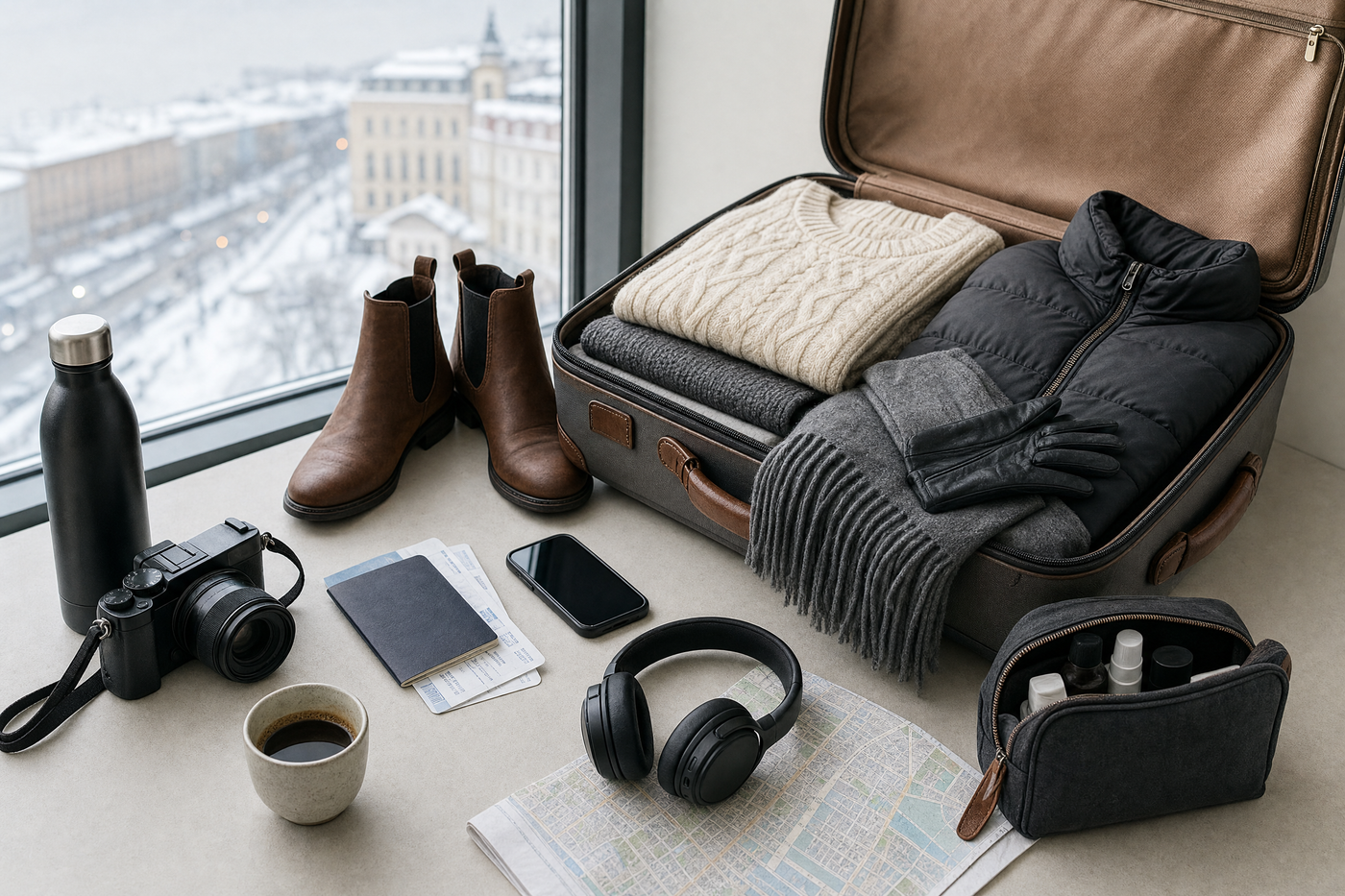
Packing for a winter city trip shouldn’t mean sacrificing style or suitcase space. This step-by-step guide covers exactly what to bring so you stay warm, comfortable, and prepared—without overpacking.
Understanding the unique challenges of winter travel
Packing for a winter city break is distinctly different from summer getaways. Cold weather introduces new requirements: you’ll need warmth while walking between shops or sightseeing, but shouldn’t be lugging excess bulk when indoors. City trips demand a careful balance between functional clothing and stylish outfits suitable for cafes, museums, or nightlife.
Beyond the obvious need for insulation, winter travel means facing unpredictable weather—rain, sleet, or even snow are all possibilities in a single day. Moreover, many European and North American cities keep indoor spaces well-heated, so you’ll switch frequently between bracing cold and cozy interiors. Striking the right balance is key: pack thoughtfully, following a clear step-by-step plan, and you’ll stay comfortable and look great—whatever the forecast.

Your trip deserves fewer tabs.
Start planning your tripStep 1: Start with the right suitcase and packing tools
Your first task is choosing a suitcase that matches your mode of travel and your trip’s length. For a typical city break (three to five days), a carry-on-sized roller suitcase is usually sufficient if you pack strategically. Hard-sided cases help compress bulkier winter clothing and protect delicate items.
Next, invest in quality packing cubes and compression bags. These allow you to organize clothing by type (base layers, mid-layers, accessories) and shrink down items like sweaters and outerwear. Use a dedicated laundry pouch for worn clothing, and consider a small shoe bag if you’re bringing extra footwear. Keeping your suitcase organized both saves space and makes it easy to find exactly what you need during your trip.
Step 2: Choose versatile, layering-friendly base layers
Effective packing for winter means starting with the right base layers. These pieces trap body heat and wick away moisture, keeping you warm without unnecessary weight. Quality is crucial here; opt for thermal tops and leggings in merino wool or synthetic performance fabrics.
- Packing list: 2-3 thermal long-sleeve tops – Neutral colors work best for layering.
- 2 pairs of thermal leggings or long underwear – Lightweight and quick-drying.
- 3-4 moisture-wicking undergarments – Comfort is key when you’re active outdoors.
Stick to muted colors or subtle patterns to keep your wardrobe cohesive and layering options varied. Remember, you typically only need one base layer per day if you have easy access to washing or are comfortable re-wearing—for winter city breaks, most time is spent indoors, so items won’t get as dirty as on hiking trips.
Step 3: Pick slim, insulating mid-layers
Mid-layers add crucial extra warmth, but they also provide flexibility: if you overheat indoors, simply remove one. Think merino wool pullovers, lightweight fleece sweaters, or thin quilted vests. These won’t bulk up your suitcase but will make all the difference on chilly days.
- Packing list: 2 midweight sweaters – Choose options that look sharp enough for dinner or museums.
- 1-2 cardigans or wool-blend shirts – For varied weather and indoor comfort.
Stick with a palette that coordinates with your base and outer layers, ensuring each item can be worn in multiple outfit combinations. Limit bulk by prioritizing high-performance technical fabrics that pack down compactly yet offer excellent insulation.

Turn your travel ideas into a plan.
Start planning your tripStep 4: Select reliable, weatherproof outerwear
Outerwear is your first line of defense against winter weather, so it pays to select carefully. You’ll want one warm, water-resistant coat that’s easy to layer over sweaters and won’t look out of place in city settings. Down or synthetic insulated jackets with windproof shells are ideal.
- Packing list: 1 insulated winter coat – A mid-length or knee-length style offers optimum protection.
- Optional: packable rain shell – For destinations that see frequent or unpredictable rain.
Look for coats with zippered pockets to secure valuables and hoods for extra protection. If possible, choose a coat that flattens well in your suitcase or can double as a pillow on planes or trains. Only one piece is needed for most city breaks, freeing up space for other essentials.
Step 5: Plan comfortable, climate-appropriate shoes
The right shoes make all the difference: you’ll be walking city streets, navigating public transport, and possibly contending with wet, icy, or snowy conditions. Two pairs usually suffice: one high-quality waterproof boot and one pair of comfortable, casual shoes.
- Packing list: 1 pair waterproof boots – Insulated and grippy soles are best for snow or icy sidewalks.
- 1 pair smart sneakers or leather shoes – For indoor venues or evenings out.
Pack merino-blend socks (3–4 pairs) to ward off cold feet and consider packing foldable insoles or disposable foot warmers. Protect your suitcase with shoe bags or plastic pouches, and use rolled-up socks to maintain shoe shape during travel.
Step 6: Include key winter accessories
Winter accessories have outsized impact despite their small size. Packing the right set ensures warmth across a variety of conditions. Don’t underestimate the difference quality gloves, scarves, and hats make—these can be swapped out to refresh outfit looks, too.
- Packing list:
- 1 warm beanie or hat (wool or fleece lined)
- 1-2 scarves (one lightweight for indoors, one chunky for outdoors)
- 1-2 pairs gloves (one touchscreen-compatible)
- 1 set earmuffs or headband for extra-cold days
Stick to neutral or accent colors that compliment your main outerwear. Scarves offer versatility—drape loosely for style, wrap tightly against wind. Everything packs down small but adds big warmth dividends.
Step 7: Build an efficient indoor outfit capsule
You’ll spend substantial time indoors on a city break. Create a small wardrobe capsule of tops, pants, and layers suited to well-heated restaurants, museums, shops, or evening venues. Prioritize wrinkle-resistant dresses, tailored trousers, and smart tops that layer well over your base thermals.
- Packing list:
- 2 smart-casual tops or blouses
- 1 pair dark jeans or tailored trousers
- 1 versatile dress (easy to layer over tights/leggings)
- 1 indoor cardigan or lightweight blazer
Stick to colors that work with your chosen accessories and layers. These pieces should easily transition from day to evening, keeping your packing list concise without sacrificing style.
Step 8: Finalize outerwear and accessory packing strategy
Once your clothing selection is set, maximize suitcase space with the right packing strategy. Wear your bulkiest items (coats, boots) while traveling, saving space in your suitcase for lighter or more delicate items. Roll softer pieces—base layers, sweaters, and socks—which compresses bulk and reduces wrinkles.
Pack accessories in mesh or zip pockets at the top of your case for easy access upon arrival. Place shoes along the suitcase sides or at the bottom for balance. Tuck scarves, gloves, and hats into shoes or corners to make the most of every inch. A tidy, well-planned system makes transitions from airport to city center fast and stress-free.
Step 9: Organize personal care and in-flight essentials
Winter brings dry air both outdoors and in heated hotel rooms. Pack a compact toiletry kit tailored for the colder season. Include a rich moisturizer, lip balm, and a small pack of tissues. Don’t forget medicine, any prescription needs, and travel-sized hand sanitizer.
- Packing list:
- Toothbrush, toothpaste, deodorant
- Travel-size moisturizer and lip balm
- Tissues, sanitizer, medication
- Mini hairbrush/comb, travel hair products
Keep these items accessible in your personal item or a corner of your main case. If traveling by plane, toss in noise-canceling headphones, an e-reader, and a reusable water bottle to stay comfortable and hydrated en route.
Step 10: Prepare for changing conditions and emergencies
Winter weather is unpredictable. Even if city forecasts look mild, always pack a few small, smart extras. A compact umbrella shields from sleet or rain. Foldable tote bags are handy for impromptu shopping or trips to the market. Consider a backup power bank to keep your phone charged for directions and transit schedules.
- Packing list:
- Small travel umbrella
- Reusable tote or roll-up backpack
- Power bank and charging cables
- Printed map or city guide (in case your device fails)
Stow these at the top of your bag or in an easy-to-grab pouch. A small, prepared kit can turn winter travel mishaps into minor blips rather than trip-ruining problems.
Step 11: Review, refine, and enjoy your light winter suitcase
Before zipping up, double-check your packing list: have you covered all main temperatures, from bracing street walks to cozy cafés? Are all pieces versatile, comfortable, and ready for mix-and-match? Remove anything you’d wear “just in case”—stick to the essentials that earn their place in your rotation.
Finally, keep valuables and vital documents (passport, wallet, tickets) in your personal item. With a compact, curated suitcase, airport lines, train journeys, or brisk strolls through snowy city squares will be stress-free. The reward: you’ll enjoy your winter city break in style, without excess luggage weighing you down, prepared for the unexpected while appreciating every moment.