How to keep kids entertained while traveling: the checklist version
 By Leo Morgan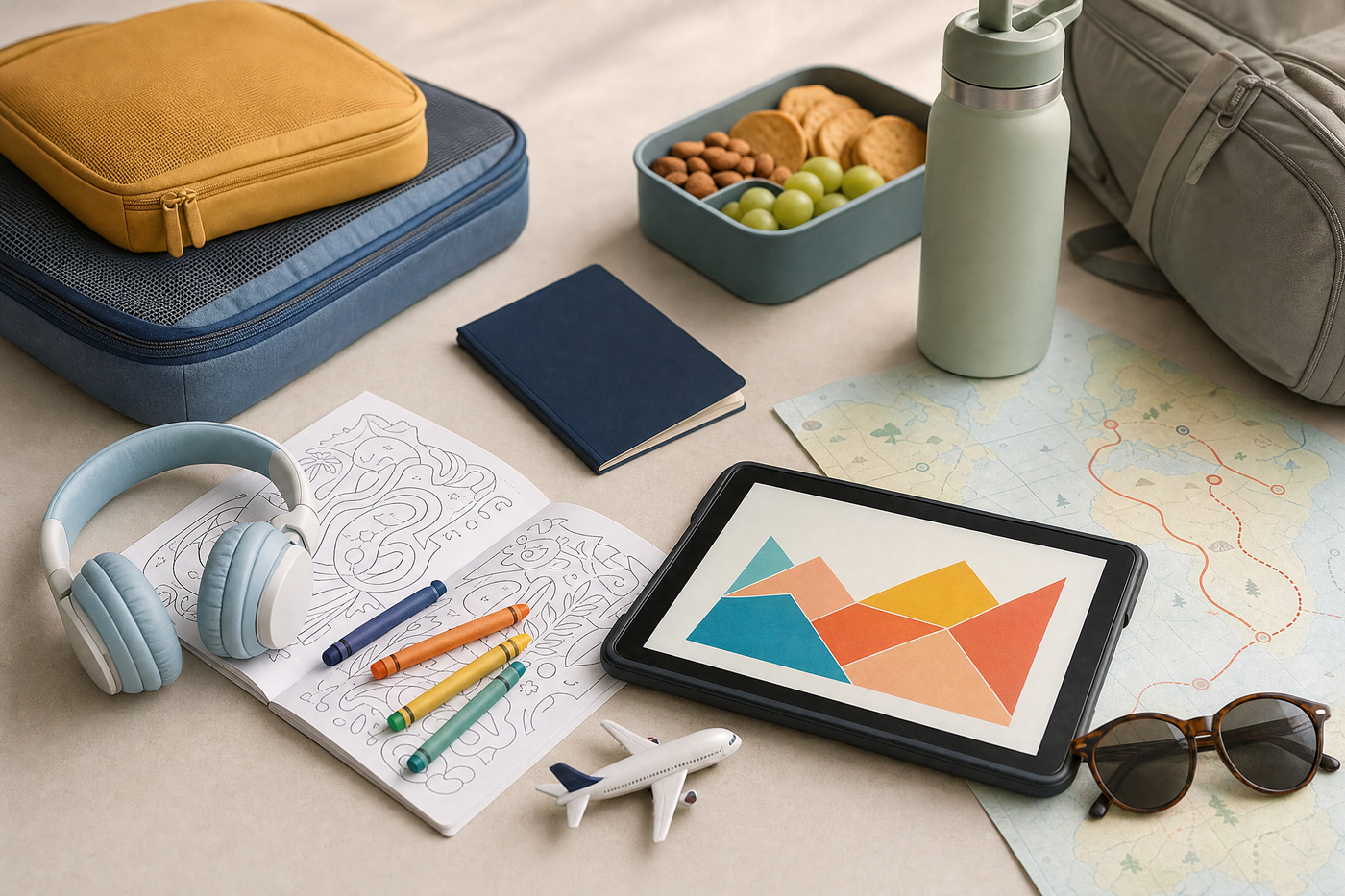
Family travel can be rewarding, but keeping kids entertained requires advance planning and practical on-the-go strategies. This checklist-driven guide covers every phase: airports, flights, meals, hotel downtime, and more—ensuring smoother adventures and happier journeys for parents and children alike.
Before you book: Lay the groundwork for kid-friendly travel
Before you even purchase tickets, it’s wise to factor your children’s needs into every decision. Choosing flights with suitable departure times, minimizing layovers, and looking for amenities like family seating or kids’ play zones at airports can make all the difference.
- Check family-friendly flight times: Avoid departures during naptimes or late at night when possible to reduce exhaustion-related meltdowns.
- Consider direct flights: Direct routes minimize stress and the logistics of connecting airports.
- Investigate kid amenities before booking: Some airports feature play areas, lending libraries, or interactive exhibits. Look up family services offered at both departure and arrival points.
- Choose accommodations with kid perks: Hotel pools, suites with kitchenettes, or properties offering kids’ activity clubs can make downtime manageable.
Start your travel experience off right by tailoring the initial logistics to your family’s unique rhythms and rhythms.

Your trip deserves fewer tabs.
Start planning your tripPacking essentials: What to prepare for in-transit entertainment
- Tablets pre-loaded with games, movies, and audiobooks: Download content ahead of time for offline access, and consider headphones sized for young ears.
- Compact art supplies: Crayons, small coloring books, and doodle pads are light, quiet, and mess-free options.
- Reusable sticker sets and activity books: These encourage creativity and can be used multiple times.
- Compact, engaging toys: Think magnetic travel games, Rubik’s cubes, play dough, or figurines.
- Surprise treats: Small, individually wrapped toys or “mystery bags” handed out at intervals can help break up long stretches.
- Headphones and device chargers: Extra batteries or a power bank ensure that electronic escapes remain available throughout your travels.
Pack these essentials in your child’s personal carry-on for easy access. Variety is key—anticipate different moods by mixing creative, digital, and tactile options.
Airport waiting: The checklist for calm and busy hands
Airports can be overwhelming for kids and exhausting for parents. Use this airport-time checklist to keep little ones occupied and anxiety low.
- Scout airport play zones early: Head straight to any playgrounds or family rest spaces identified pre-trip.
- Walk and explore (within reason): Pacing the terminals, counting gates, or people-watching offers quiet mental stimulation.
- Window watching: Watching planes taxi and take off can spark curiosity and pass time.
- Rotate activities: Set a timer—30 minute blocks for coloring, reading, snacks, or play—so nothing wears thin too quickly.
- Snack breaks: Use long lines or waits to enjoy a mini picnic or try unfamiliar airport treats.
- Bathroom breaks in advance: Encourage restroom trips before heading to your gate to minimize in-flight disruption.
With a bit of structure, airport waits can be reframed as an adventure rather than a headache.
Screen rules that work: Balancing tech for happy travels
While screens are valuable tools for distraction and learning, setting clear boundaries prevents overuse and crankiness. Establish your family’s screen rules before leaving home, and repeat them often.
- Set screen expectations early: Explain when and how long kids can use devices (e.g., movies during flights but not at meals).
- Download educational and creative content: Balance entertainment with enriching games, drawing apps, or audio stories.
- Encourage breaks for other activities: Alternate entertainment—watch a show, then color, read, or play a travel game.
- Bring traditional alternatives: If a device runs out of power, kids need something else: picture books, sticker sets, or soft toys.
By addressing screen time proactively, screens become a healthy tool rather than a last resort.
Smart snacking: Fuel for busy adventurers
Hunger and boredom often go hand-in-hand for kids. Avoid meltdowns and keep little travelers energized with a tactical snack plan.
- Pack high-protein, low-mess snacks: Cheese sticks, trail mix, dried fruit, and granola bars keep energy up and are easy to carry.
- Use compartmentalized snack containers: These allow for variety and can become a fun activity as kids choose pieces.
- Avoid sugar spikes: Limit candy and sweet drinks to minimize hyperactivity and post-sugar slumps.
- Hydrate: Child-sized water bottles keep hydration levels up during flights and long waits.
- Special treats for tough moments: Reserve a favorite snack for when waits or moods turn challenging—used sparingly, these can redirect focus positively.
Strategically timed snacks can transform a rough patch into an impromptu picnic, making big waits or delays feel less overwhelming.

Turn your travel ideas into a plan.
Start planning your tripRestaurants and meals: Checklist for family-friendly dining
Eating out while traveling can be a recipe for frustration without some ground rules and distractions ready to go. Keep kids engaged and the dining experience pleasant for everyone.
- Bring table-friendly entertainment: Small coloring books, matchbox cars, or activity placemats fit well in a parent’s bag.
- Order kids’ food quickly: If in a sit-down restaurant, request something simple for kids as soon as you’re seated. Many kitchens can expedite this.
- Rotate activities: Implement meal traditions, like guessing the menu or playing “I Spy” while waiting.
- Maintain screen boundaries: If you use tablets or phones at the table, stick to predetermined time limits or specific activities, like a quiet story app.
- Appoint a dining helper: Assign a simple “job,” like passing napkins or helping track the order, to encourage patience and teamwork.
Preparation turns dining out from a battleground into a shared family opportunity to unwind and recharge.
Flight time: Strategies for in-air entertainment that lasts
Cabin pressure and confined spaces test everyone’s patience—especially kids’. The right activities and pacing make flights fly by.
- Reveal new toys or books mid-flight: Staggered surprises reduce monotony and create positive anticipation.
- Activity bags: Personalize a small pouch for each child with a mix of options: coloring sheets, origami paper, magnetic puzzles.
- Audiobooks and podcasts: Relaxing, screen-free choices for quiet time or napping attempts.
- Stretch breaks: When the seat belt sign is off, visit the lavatory or walk the aisle to keep legs and minds from cramping.
Pair structured activities with periods of rest or quiet so children don’t burn out their favorite distractions too quickly.
Hotel and downtime: Creating a calming routine after travel
The transition to a hotel or rental can feel jarring for kids. A calming, familiar routine can ease the adjustment and re-center energies.
- Unpack a comfort kit: Favorite stuffed animal, blanket, or bedtime story evokes at-home feelings.
- Scout hotel amenities: Locate pools, playrooms, or quiet lounges soon after arrival to help kids orient.
- In-room quiet activities: Pack simple games, sticker books, or card decks for mellow evenings in.
- Create a bedtime tradition: Whether it’s a special travel song or a nightlight from home, repeat a comforting habit nightly.
- Plan for downtime: Build in time for unstructured play so kids can decompress, freeing parents for a quick recharge as well.
Even when away from normal routines, the predictability of small rituals eases anxiety and supports better sleep for all.
Managing transitions: From airport to activity with minimal fuss
Travel days can involve sudden changes—boarding, deplaning, switching transportation, or checking in at hotels. Smooth these bumpy spots with strategies designed for minimal friction.
- Talk through the day’s schedule ahead of time: Kids adjust better when they know what’s happening next.
- Cue with visual aids: Simple paper schedules or drawing out the sequence helps visual learners process transitions.
- Assign small “jobs”: Carrying a boarding pass or choosing the next audiobook gives children a sense of control.
- Keep critical items handy: Make sure comfort objects, snacks, and a backup activity are always accessible during key changes.
Anticipating these testing moments helps keep everyone on track, both logistically and emotionally.
Dealing with delays: Turning setbacks into small adventures
Flight delays, slow hotel check-ins, or road trip traffic are a fact of travel. Rather than letting boredom—and tempers—boil over, turn delays into mini adventures.
- Turn waiting into a game: Create scavenger hunts, look for colors or logos, or make lists of interesting people or vehicles spotted.
- Mini-challenges: Who can build the tallest tower with snack containers? Who can draw the most imaginative map of the airport?
- Storytelling rounds: Take turns adding sentences to a goofy group story based on your surroundings.
- Surprise moments: Reserve a new sticker sheet or snack for a delay—something unexpected to lighten the mood.
Resilience is one of the best gifts travel can teach children; reframing setbacks as surprises helps build it organically.
Building connection: Travel as shared family time
Amid activity planning, don’t lose sight of the deeper opportunities that travel offers for connection. Shared experiences, big or small, can become lasting memories—and entertainment doesn’t always need to be elaborate.
- Involve kids in simple decisions: Let them help pick today’s souvenir or the next sightseeing stop.
- Practice gratitude games: Go around the table mentioning the best and trickiest parts of the day.
- Capture memories together: Keep a travel diary, audio log, or shared photo project, letting everyone contribute.
- Encourage storytelling: Ask kids to narrate the day to relatives back home, developing their communication skills and reliving the fun.
Entertainment is more meaningful when it doubles as connection—lean into these moments when possible.
Checklist wrap-up: Ready for calmer, happier family adventures
Successful family travel isn’t about overwhelming kids with dozens of activities—it’s about thoughtful preparation, flexibility, and a reliable entertainment toolkit. With this checklist, you’re equipped to manage airport delays, keep meal times enjoyable, ensure screen time remains constructive, and transform hotel downtime into restful play. Remember to balance quiet moments with active pursuits, and savor the small victories—each one is a step toward future travels that everyone looks forward to.
Print or save this checklist before your next trip. Add your own families’ favorites, and adapt as your children grow. The right plan not only helps keep kids entertained but also liberates parents to enjoy the journey, too.