Hoi An travel guide: what to see, where to stay and how to plan your days
 By Leo Morgan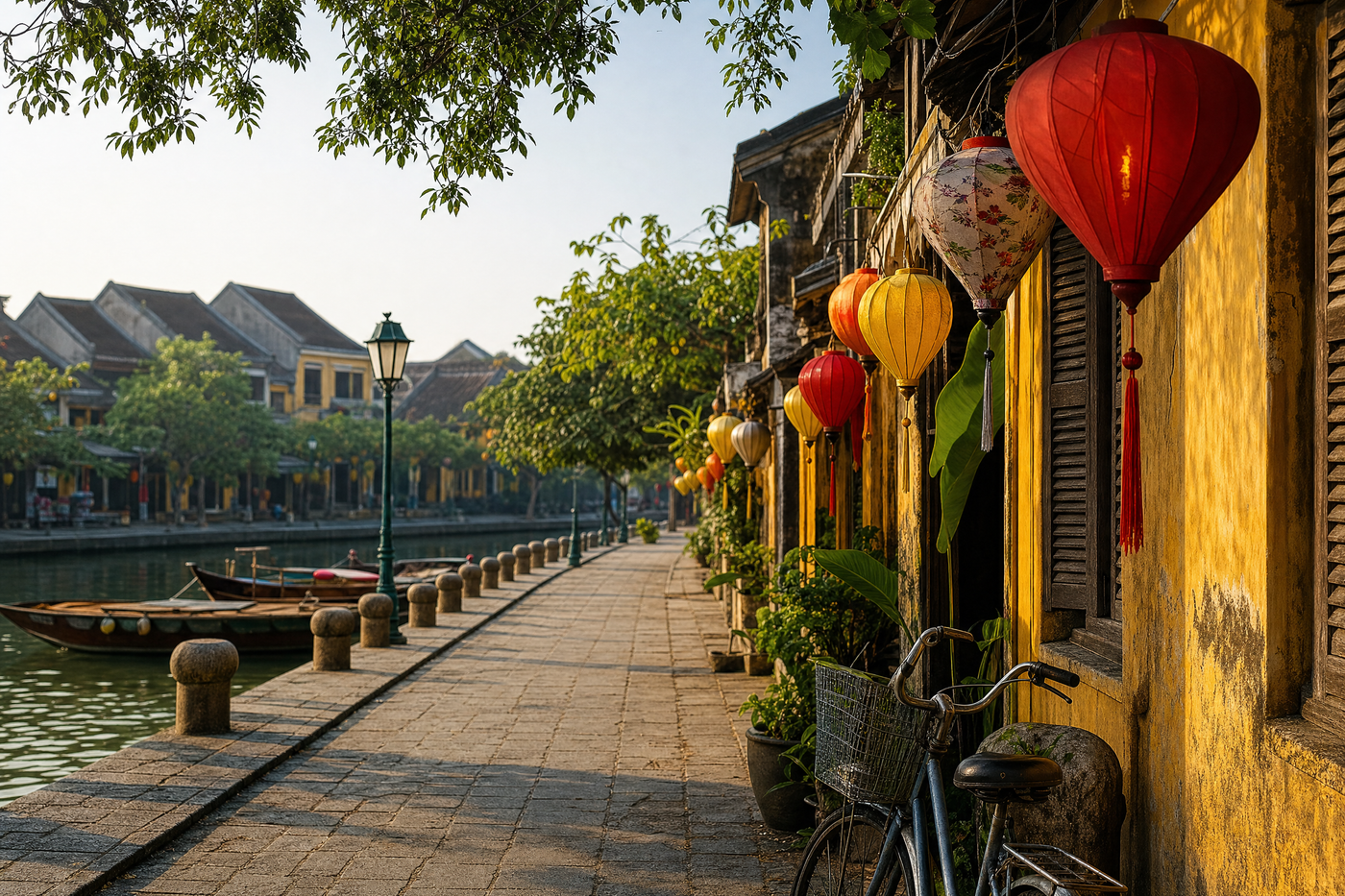
Experience the best of Hoi An with our detailed guide covering where to stay, what to see, local cuisine, and a flexible three-day itinerary for first-time visitors.
Why visit Hoi An?
Hoi An, a UNESCO World Heritage site, boasts atmospheric streets, vibrant cuisine, and an enchanting riverside setting. This former trading port is famed for its exceptionally preserved architecture, adorned with lanterns and ochre facades. Cultural influences from Vietnam, China, Japan and Europe have shaped Hoi An, giving it an irresistible character that feels both ancient and alive.
The town’s relaxed pace, bike-friendly streets and pedestrianized Old Town make it perfect for unrushed exploration. Whether you’re hunting for tailors, savoring street food, or cycling out to unspoiled beaches, Hoi An offers a balance of heritage and holiday ease. With nearby countryside and the city of Da Nang within easy reach, it’s an ideal base for central Vietnam.

Your trip deserves fewer tabs.
Start planning your tripKey neighborhoods and how to choose where to stay
Choosing the right area can shape your Hoi An experience. Each neighborhood has its own character, accommodation options, and access to attractions:
- Old Town: Stay here for maximum charm—the heart of Hoi An’s lantern-lit core. Expect boutique hotels, stylish guesthouses and easy access to historic sights. Nightlife is subtle due to traffic limits and preservation laws, so evenings are atmospheric and peaceful.
- An Hoi: Across the river from Old Town, this island district offers mid-range hotels, river views, and lively night markets—along with quicker access to some lively bars. Noise levels rise on weekends, but accommodation here is often better value.
- Cam Chau and Cam Nam: East and south of Old Town, these local neighborhoods have more relaxed homestays, scenic rice fields and a taste of rural life, yet they’re just a short bike ride from the center. A good pick for quiet seekers and families.
- Cua Dai & An Bang Beach: For sand and sea, head 4-5km from the old town to these beach areas. Hotels range from affordable to luxury, many with shuttles or free bikes. Ideal for recharging after sightseeing, but less convenient for exploring by foot.
First-timers who want maximum access to Hoi An’s sights generally prefer lodgings in or near Old Town or An Hoi. Beach lovers may split their stay or use taxis and bikes to balance both worlds.
Getting to and around Hoi An
Hoi An doesn’t have its own airport or train station, but Da Nang International Airport is just 30km away, making it quick to reach by taxi (30-45 minutes) or shuttle. Trains from the north and south Vietnam also serve Da Nang, with plentiful connections onward.
Once in Hoi An, walking and bicycling are ideal, especially inside the pedestrianized Old Town (closed to motor vehicles most of the day). Many hotels loan or rent bicycles, and the flat terrain is made for easy rides. Cycling to outlying villages and beaches is a real highlight, but helmet use is recommended.
Taxis and ride-hailing apps such as Grab are widely available for trips to the airport, An Bang or further afield. For local color, take a cyclo (three-wheeled bike taxi) around Old Town, or hop on the public electric shuttle that loops central streets for a small fee.
Three-day itinerary for first-time visitors
Day 1: Explore Old Town
Start your journey in the UNESCO-listed Old Town. Wander the lantern-lit streets, visiting historic houses such as Tan Ky and Phung Hung, and don’t miss the iconic Japanese Covered Bridge. Allow time to browse traditional market stalls and sample local snacks at the Central Market. In the evening, join the riverside atmosphere, and try “cao lau” noodles at a streetside eatery.
Day 2: Countryside and artisans
Cycle out to Tra Que Vegetable Village for a farm tour and hands-on cooking class. Continue to Thanh Ha Pottery Village or Kim Bong Carpentry Village to witness craftspeople in action. Return via the river ferry for sunset, then stroll the bustling night markets across the river on An Hoi island.
Day 3: Beach getaway
Spend your third day at An Bang or Cua Dai Beach for sun and sand. Relax at one of the seaside cafés or opt for a paddleboarding session. Evening finds you back in town for dinner, perhaps trying “white rose” dumplings or catching a cultural performance. This itinerary keeps your days flexible, with ample time for spontaneous discoveries.

Turn your travel ideas into a plan.
Start planning your tripThe must-see sights in Hoi An
- Japanese Covered Bridge: Perhaps Hoi An’s most iconic landmark, spanning a canal in the heart of Old Town. The ornately carved covered bridge, dating to the 17th century, is a symbol of the town.
- Ancient Houses: Museums such as Tan Ky, Phung Hung and Quan Thang offer glimpses of merchant life centuries ago, with atmospheric interiors and guided tours.
- Fujian Assembly Hall: A vivid example of Chinese influence, with intricate mosaics and a famous fertility shrine.
- Central Market: The best spot for local color. Watch vendors hawk produce, seafood and tailors at work creating custom clothes.
- Lamp-lit waterfront: At night, the Thu Bon River glows with floating lanterns—rent a sampan boat for a magical cruise.
- Terracotta Park & Pottery Museum: A hands-on stop for families with demonstrations of traditional ceramic arts.
Cultural ticket bundles at the entrance stations give access to multiple Old Town attractions—perfect for sightseers who want flexibility.
Eating well: Hoi An’s can’t-miss food and drink
Hoi An is a true culinary destination, famous across Vietnam for its unique noodle dishes, street snacks, and fusion influences. The Old Town’s food stalls and riverside restaurants present flavors you won’t find elsewhere in the country.
- Cao lau: A chewy noodle dish with local greens, pork, and crispy crackers, exclusive to Hoi An due to the unique water and ash used in its preparation.
- White rose dumplings: Translucent steamed parcels filled with shrimp or pork, topped with crispy shallots—a local specialty found in family-run eateries.
- Banh mi: The Vietnamese baguette sandwich, Hoi An-style, loaded with fresh herbs and proteins at stalls like Madame Khanh or Banh Mi Phuong.
- Com ga: Fragrant chicken rice with turmeric, herbs and chili, a humble-but-flavorful plate often found at local markets.
- Herbal teas and Vietnamese coffee: Take time to try a strong drip coffee or a refreshing glass of tra mot (lemongrass herbal tea) in one of the town’s atmospheric cafes.
Vegetarians and vegans are well catered for, with many eateries offering plant-based versions of regional favorites.
Shopping and markets: what to buy and where
Hoi An has been a trading hub for centuries, and this legacy is alive in its bustling markets and artisan workshops. Tailoring is perhaps the town’s most famous export—dozens of shops can whip up custom suits, dresses, or shoes in just 24-48 hours. Bring reference photos or browse the fabric markets for inspiration, but always compare shops for quality and reviews before committing.
Beyond fashion, seek out handmade lanterns, locally crafted leather goods, traditional pottery, and organic teas. The Central Market is best early in the morning for bargains and photo opportunities. Hoi An Night Market, set up on An Hoi Island, offers handicrafts and snacks in an illuminated riverfront setting—ideal for atmospheric evening strolls.
Culture, festivals, and local life
Hoi An hosts a lively calendar of celebrations, with the most famous being the monthly Full Moon Festival. On these nights, the town switches off most electric lights and the riverside comes alive with lanterns and cultural performances. Visitors are welcome to join traditional games, folk singing, and candle-lit prayers—all adding a vivid sense of Hoi An’s community spirit.
Outside festival dates, local life revolves around family-run eateries, temple rituals, and market commerce. Respect cultural norms by dressing modestly in temples, and greeting elders with a polite nod. Consider a guided walking tour, which can deepen your understanding of the Old Town’s layered history and local traditions.
Best times to visit and how to avoid crowds
The ideal period for Hoi An is February through May, when the weather is warm and dry, and the countryside is lush. June to August brings more heat and humidity, with a surge of domestic tourists. In September to January, rains arrive—crowds thin, but rivers may flood Old Town streets. Pack lightweight rain gear and sandals you won’t mind getting soaked.
To experience the Old Town’s tranquil side, venture out early in the morning for quiet streets and soft light. Evenings after dinner also see fewer tour groups, with the riverside at its prettiest. Visiting in shoulder seasons or midweek ensures more of Hoi An for yourself.
Family and couple tips: making the most of Hoi An
Families will find Hoi An gentler paced than other Vietnamese cities. Many hotels have pools, and bicycle-friendly backroads lead to farms and beaches, ideal for kids and teens. Several local cookery schools offer family-friendly classes, where younger travelers can roll rice paper or harvest herbs. At night, floating a candle-lit lantern on the river proves a simple, magical highlight.
For couples, Hoi An offers charming boutique hotels in historic settings, lantern-lit waterside restaurants, and secluded stretches of sand at An Bang. Sunset river cruises—whether aboard a small sampan or larger boat—make for a memorable evening. The town’s tailors are a romantic option for custom wedding attire or anniversary gifts.
Day trips from Hoi An: get beyond the town
- My Son Sanctuary: Just over an hour away, these UNESCO-listed Cham temple ruins are surrounded by lush valleys and offer insights into ancient cultures. Early morning visits mean fewer crowds and cooler temperatures.
- Marble Mountains: Near Da Nang, climb these marble and limestone outcrops to explore caves, pagodas and panoramic views.
- Cham Islands: Accessible by boat, with options for snorkeling, diving, and seafood lunches.
- Da Nang: Vietnam’s third-largest city, home to vibrant street food, the famous Golden Bridge, and excellent surfing beaches. A good urban counterpoint to Hoi An’s calm.
All are reachable in a half- or full-day outing by taxi, private car, or organized tour, arranged easily with most hotels or travel agencies in Hoi An.
Practical tips for a smooth stay
- Currency: The Vietnamese Dong (VND) is standard. ATMs and money changers are plentiful in Old Town, but carry small bills for markets and taxis.
- Language: English is widely spoken in hotels, restaurants, and tourist shops; a few basic Vietnamese greetings can earn big smiles.
- Connectivity: Free WiFi is available nearly everywhere, but purchase a local SIM card from Da Nang airport if you need consistent access.
- Dress code: Lightweight, modest clothing is advised—shoulders and knees covered for temples. Sun hats are a must against tropical sun.
- Scams: Hoi An is safe, but watch for overenthusiastic vendors and inflated “tourist” prices. Agree on taxi fares if outside ride-sharing apps—metered cabs are reliable.
- Eco-consciousness: Support refill stations for water and bring reusable bags for shopping—the town is making major efforts to cut single-use plastics.
With thoughtful planning, Hoi An rewards repeat and first-time visitors alike—offering historic atmosphere, easy-going hospitality, and authentic local life in one unforgettable destination.