Hanoi on a budget: how to save money without missing the best parts
 By Leo Morgan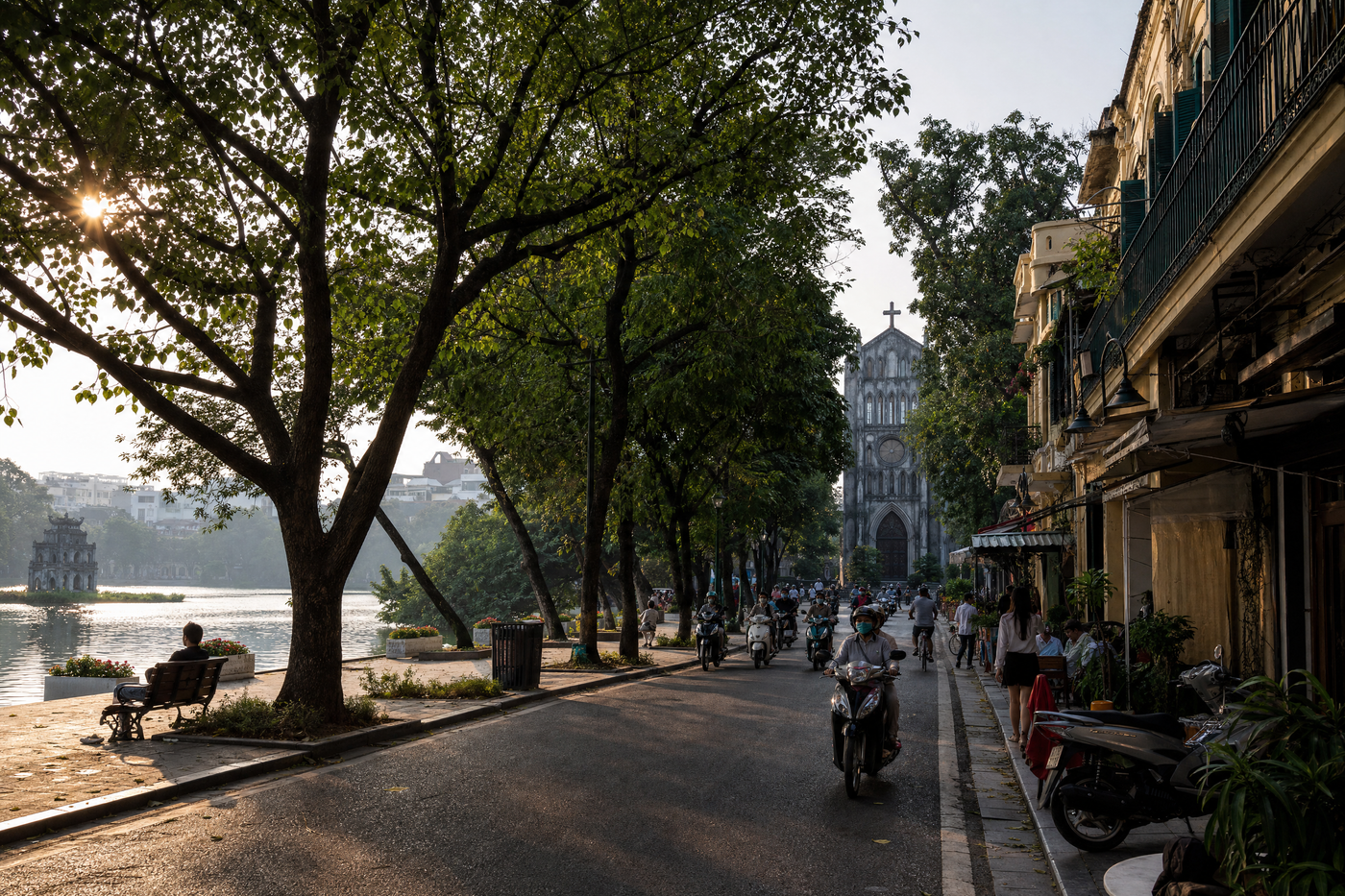
Hanoi’s lively culture and deep history can be enjoyed without overspending. This practical guide shows you where to save, when to splurge, and how to see the city’s highlights on any budget.
Why Hanoi is a budget traveler’s dream
Hanoi, Vietnam's thousand-year-old capital, is celebrated not just for its centuries-old temples and bustling street life, but also for being remarkably affordable. From family-run guesthouses and sidewalk noodle stalls to scenic lakes and free cultural sites, Hanoi welcomes all budgets. Travelers are often delighted by how far their money stretches here compared to other Asian cities.
Yet, savvy visitors know that saving money isn’t just about picking the cheapest option. It’s about spending where it counts—on experiences that showcase local character—and skipping extras that don’t add value. Knowing when to save and when to splurge helps you experience the best of Hanoi, whether your budget is $30 or $90 per day.

Your trip deserves fewer tabs.
Start planning your tripTiming your booking for the best prices
Hanoi’s prices vary by season. The cool, dry months from October to April are peak times because of pleasant weather and festivals like Tet. Booking flights and accommodation 6 to 12 weeks out usually nets the best rates. Last-minute deals are rare during holidays, and hostels and hotels fill up quickly, especially around Lunar New Year.
For the cheapest rooms, consider visiting during the humid off-peak months (May–September). The rain rarely stops all day—showers pass quickly—but you’ll see lower costs for both lodgings and tours. For budget travelers, being flexible with your arrival dates can save significantly, freeing up cash for memorable activities instead.
Pick affordable accommodation without sacrificing comfort
Hanoi’s diverse lodging scene means you can find everything from $8 dorm bunks to mid-range boutique hotels for under $40 per night. The Old Quarter is generally pricier, but guesthouses on quieter side streets nearby often offer better deals with more personal service. Consider booking directly with family-run hotels; they’ll sometimes throw in free breakfasts or airport pickups.
Hostels in Hanoi are social and affordable, offering free Wi-Fi, cooking facilities, and sometimes even walking tours or beer nights. If you crave privacy, many budget hotels and guesthouses feature private rooms with en-suite bathrooms for only a few dollars more. Book early in high season to lock in the lowest rates—and use reputable sites for trustworthy reviews.
Riding around: how to save on transport
Getting around Hanoi doesn’t require expensive taxis. The city center is compact and easily walkable. For longer hops, local buses are reliable and cost less than $0.30 per ride with a transport card. Hanoi’s new metro offers another clean, cheap way to connect major districts; passes for a day or week keep your spending predictable.
Ride-hailing apps like Grab and Gojek make motorbike taxis or car rides safe and affordable—often half the price of metered taxis. If traveling as a pair or group, set your destination in the app to avoid misunderstandings. For day trips beyond the city, bargain for private drivers or seek out minibus tours to maximize both value and comfort.
Enjoying Hanoi’s best free (or nearly free) sights
- Hoan Kiem Lake: The spiritual heart of the city, surrounded by shady walking paths and a lively weekend night market. Completely free to stroll, people-watch, or catch local performances.
- Old Quarter wanderings: Explore labyrinthine alleys full of life and history. Take in French colonial facades, temples, and market stalls—no tickets required.
- St. Joseph’s Cathedral: This elegant neo-Gothic landmark can be admired outside or entered for free (except during services).
- Long Bien Bridge: A living slice of history best experienced on foot; cyclists and pedestrians share panoramic river views for free.
Many temples, pagodas, and public gardens welcome visitors at no charge, although small donations for upkeep are appreciated. Prioritize these sights for an authentic taste of Hanoi’s spirit without touching your wallet.

Turn your travel ideas into a plan.
Start planning your tripDelicious and smart ways to save on food
One of Hanoi’s real joys is sampling street food. Not only does this keep costs dramatically down (meals from 25,000-50,000 VND, or $1-2), but you’ll find genuine local flavors. Iconic eats like pho, bun cha, and banh mi are often best at humble stalls or tiny local restaurants. Look for crowded spots—it’s a good sign for both value and hygiene.
Sit-down meals in mid-range restaurants are still affordable, but ordering regional specialties is typically cheaper (and tastier) than imported foods. Consider local chain eateries for reliable prices, or opt for lunch specials at fancier spots for splurges. Don’t miss bia hoi (fresh beer)—just a few cents a glass—at corner pubs, which adds flavor and fun for almost nothing.
Attractions and tours: what to pay for, what to skip
- Splash-worthy: The Water Puppet Theater (Thang Long) is unique to northern Vietnam. Tickets start from $4—well worth it for an hour of culture and folklore.
- Best-value museums: The Vietnam Museum of Ethnology, Women’s Museum, and Hoa Lo Prison all cost just a few dollars and provide real depth.
- Sightseeing tours: Skip expensive day cruises or group hikes unless your itinerary is very tight. Self-guided walks or free public events can fill your days just as richly.
Balance your visit by budgeting for a few paid highlights that deepen your understanding of Hanoi. Don’t feel pressured to visit every pagoda or museum—choose those that spark genuine curiosity for better use of your time and money.
Shopping smart in Hanoi’s markets
Local markets are irresistible, from Dong Xuan’s sprawling indoor maze to tiny street vendors selling fruit and souvenirs. Bargaining is standard but should be done with a smile—offer about 50–60% of the initial price, then compromise. Skip touristy silk shops for smaller family-owned stalls, and always check for quality, especially with clothing or lacquerware.
Rather than buying in the Old Quarter, consider craft collectives or social enterprises for gifts that support local artisans directly. Save big by avoiding airport souvenir shops, where prices can be triple those in city markets. Hold onto receipts for pricier items in case you want to claim refunds at customs.
When to splurge: experiences worth every dong
- Day trip to Ninh Binh or Ha Long Bay: Shared minibus tours offer great value, but a private guide for a group can be a worthwhile upgrade, allowing a tailored experience.
- Cooking classes: Book a half-day market-to-table experience. These often include market visits, hands-on practice, and a hearty meal, costing $30-40—a fair price for the skills and fun involved.
- Café culture: Don’t overlook the atmospheric cafes in the French Quarter or along West Lake. Try egg coffee in a historic spot, where a splurge of $2–4 brings both flavor and ambiance.
Invest in experiences, not just things. A small splurge on memorable activities can enhance your trip far more than extra souvenirs could.
Getting around with a transport pass
If you plan to cross neighborhoods daily or reach outlying districts, a Hanoi Smart Card for buses and metro rides can streamline your day and cut costs. Daily and weekly passes are available at main stations and cost far less than multiple single tickets. Use Google Maps or the Moovit app to plan routes easily—bus stops and metro lines are increasingly well-marked in English.
The city’s metro is new but expanding, connecting the outer parks and shopping zones efficiently. Consider this if you want to see less-visited districts or need a break from the busy roads. Always validate your pass, and keep some cash on hand for smaller private buses without card readers.
Extra savings: cash, apps, and practicalities
- Currency: Use cash for small purchases; ATMs are widespread, but many charge fees. Withdraw in larger amounts less often, and store extra cash securely at your hotel.
- Savings apps: Download local transport and food delivery apps (Grab, Foody) for discounts and easy ordering. Many cafes and markets accept cash only.
- Water refills: Bring a reusable bottle—many hotels and hostels offer free refills, cutting out daily plastic purchases and costs.
Hanoi’s fast Wi-Fi and plentiful mobile data plans keep you connected for little money. For peace of mind, use reliable SIM cards from official shops rather than street vendors. Planning a little in advance saves both money and headaches.
Final tips: blending value with authentic experiences
Hanoi doesn’t require deep pockets to leave a big impression. Some of the city’s highlights are free: walking by the lake at dawn, chatting with friendly locals, or tasting street-side pho. Make a daily habit of asking about prices in advance, especially for taxis or market finds. Let your budget stretch naturally by enjoying slower travel, longer market wanders, or quiet time in Hanoi’s tucked-away temples.
The city is at its best when you mix smart savings with casual splurges—a rooftop drink at sunset, a hands-on cooking experience, or a day trip beyond the city limits. In Hanoi, it’s not about spending more, but spending thoughtfully.