Doha travel guide: what to see, where to stay and how to plan your days
 By Maya Rivers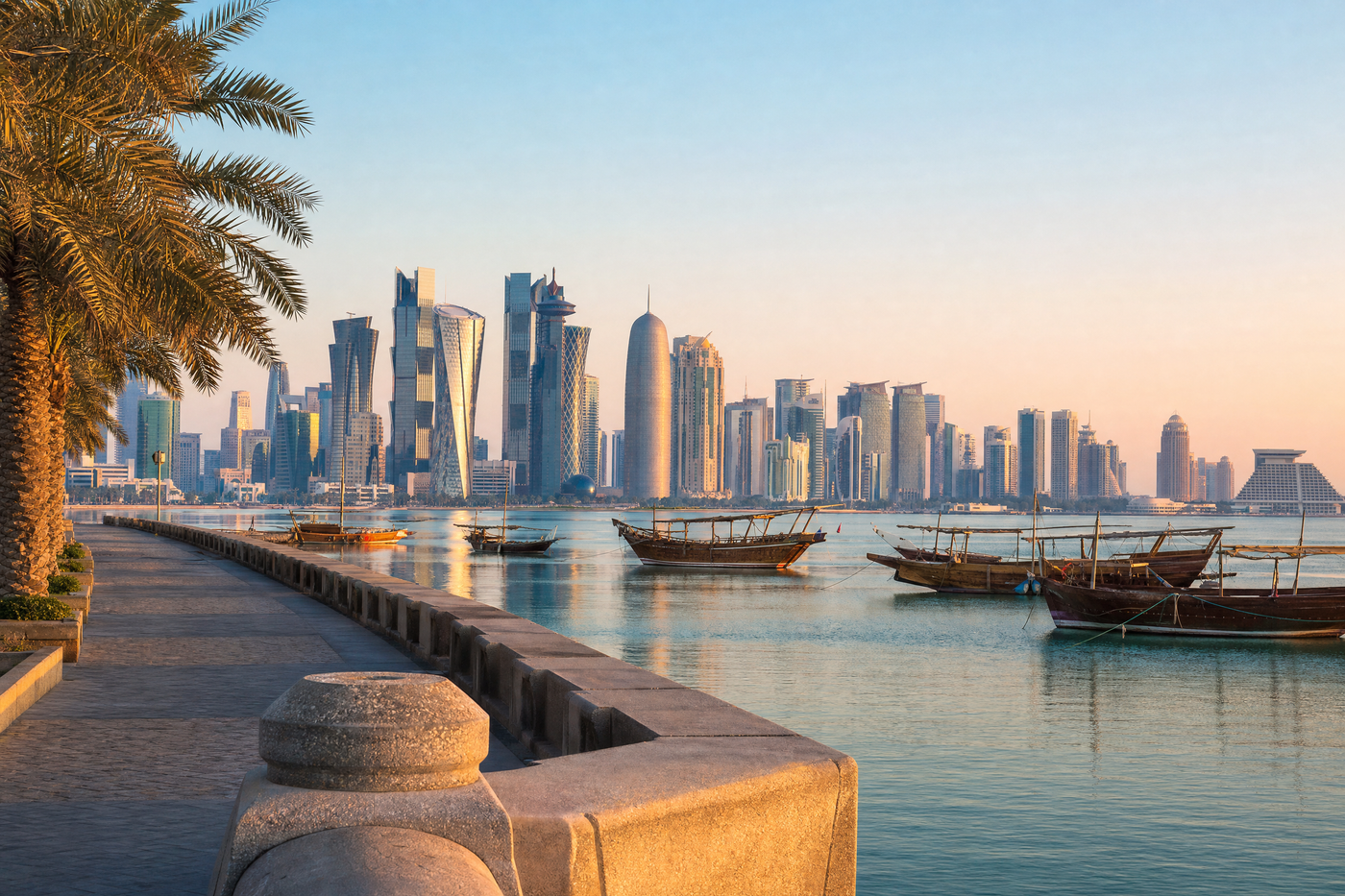
From futuristic skylines to bustling souqs, Doha offers a unique blend of tradition and modernity. This practical guide covers where to stay, what to see, and how to navigate your first trip comfortably.
Introducing Doha: the rising star of the Gulf
Perched on the sparkling shores of the Arabian Gulf, Doha is a city on the move. Once a humble fishing and pearl-diving village, it has transformed into Qatar’s cosmopolitan capital, marked by its soaring skyscrapers, growing cultural scene, and carefully preserved traditions. For first-time visitors, the city offers a manageable size, striking contrasts, and sincere hospitality. There’s a palpable energy here, whether you’re sipping karak in a bustling café or gazing at the ever-changing skyline from the Corniche.
Doha’s appeal lies in its ability to blend old and new. You can walk from ancient souqs to glassy towers in minutes, or spend a day viewing world-class art and end it with a sunset by the sea. Modern infrastructure and high safety standards make the city welcoming for all types of travelers, including families, solo adventurers, and groups alike.

Your trip deserves fewer tabs.
Start planning your tripThe best neighborhoods to stay in Doha
Your choice of neighborhood can set the tone for your trip. Doha’s most convenient and vibrant areas are concentrated along the waterfront and near the heart of the city. Here are the top picks for first-timers:
- West Bay: This glittering district houses most international hotels, business centers, and shopping malls. It’s visually impressive and perfectly located for exploring downtown Doha and the Corniche.
- Msheireb Downtown: Doha’s new mixed-use development, this area blends smart urbanism with tradition. Stay here for easy walking access to museums, Souq Waqif, and the metro. Best for those wanting a contemporary yet authentic vibe.
- SOUQ WAQIF District: For character and proximity, try the heritage-themed hotel boutiques within or near the renowned souq. This is the best area for immersing in local life and culture, with the charm of pedestrian alleys and market stalls just outside your door.
- The Pearl-Qatar: A bit further afield, this man-made island offers high-end apartments, cafés, and views of luxury yachts. It’s quieter than central Doha, ideal if you seek relaxation and upscale amenities.
Each district is safe, accessible, and brings a different atmosphere. West Bay and Msheireb suit those seeking central convenience, while the Pearl-Qatar is for leisure and longer stays.
Iconic sights and must-see attractions
Doha’s attractions reflect its unique mix of Qatari heritage and bold modern ambition. Whether your interests are art, architecture, shopping, or simply people-watching, the city offers plenty to discover:
- The Museum of Islamic Art (MIA): A breathtaking architectural statement, the MIA showcases Islamic art from across centuries and offers stunning views across the bay. The surrounding park is also ideal for a stroll.
- Souq Waqif: The city’s vibrant heart, this traditional market is a labyrinth of spice stalls, falcon shops, textiles, and handicrafts. Wander, haggle, and stop for fresh grilled kebabs or sweet baklava.
- Msheireb Museums: This cluster of four heritage houses explores the city’s transformation, slave history, and the lives of Doha’s people – all set in beautifully renovated buildings.
- Katar Cultural Village: A seaside complex combining galleries, performance venues, and open-air cafés. Look for art installations and events, or take a walk along the beach promenade.
- The Corniche: A palm-lined walkway curving around Doha Bay, perfect for morning jogs, sunset strolls, or a cruise on a traditional dhow boat.
Other popular stops include the National Museum of Qatar and the Pearl-Qatar’s glamorous marina. It’s wise to plan some flexibility to both enjoy headline sites and allow for serendipitous discoveries.
Making the most of everyday life in Doha
Doha is a city where daily life unfolds at a measured pace, particularly in the hotter months. Shops, cafés, and attractions often open late morning and close during peak midday heat, then stay open late into the night. Friday, the holy day, sees quiet mornings with venues opening after noon.
Visitors should respect local customs – modest dress is required in public, especially in malls and government buildings. Alcohol is only served in licensed venues, typically hotel bars and some restaurants. Tipping is customary but not obligatory: 10%–15% is appreciated for good service.
Wi-Fi is widely available in hotels, malls, and most cafés. English is commonly spoken, though you’ll also hear Arabic, Hindi, Tagalog, and other languages reflecting Doha’s cosmopolitan workforce.

Turn your travel ideas into a plan.
Start planning your tripPublic transportation and getting around
Getting around Doha is straightforward thanks to modern infrastructure and a well-integrated transport system. Public transport is efficient, safe, and affordable for visitors – and essential for navigating the spread-out city.
- Metro: Doha’s metro network is clean, air-conditioned, and covers all major districts including West Bay, Msheireb, Souq Waqif, and the airport (Hamad International). Trains run from around 6am to 11pm, extended until midnight Thursday-Saturday.
- Taxis (Karwa): Reliable and metered, Karwa taxis are easy to find curbside or via app. Uber and Careem operate in Doha and are similarly priced and convenient.
- Buses: The public bus network covers the main arterial roads and is comfortable, though less intuitive for short stays compared to the metro and taxis.
Walking is pleasant in certain neighborhoods during the cooler months, especially along the Corniche and Msheireb. For most trips, combine the metro with short taxi rides to get close to your destination efficiently.
Discovering Doha’s food and local cuisine
Eating in Doha is a highlight, thanks to the city’s mix of Qatari specialties and the culinary traditions of its diverse residents. Whether you dine in a luxury restaurant or a modest local eatery, you’ll encounter bold flavors and warm hospitality.
- Qatari staples: Don’t miss machboos (spiced rice with lamb or chicken), harees (wheat and meat porridge), and sweet-salty balaleet (vermicelli with eggs). For a snack, grab a sambusa or a bag of rugged khubz bread.
- Souq Waqif food stalls: Street vendors grill kebabs and prepare fresh breads, while rooftop cafés serve up shisha alongside views over the market. Try karak tea and date sweets.
- Modern international: West Bay and The Pearl teem with stylish restaurants offering everything from gourmet Japanese to Lebanese classics and world-class steakhouses.
Portions tend to be generous. Reserve at popular restaurants for dinner, and look for set lunch deals in business hotels – a favorite among locals and expats alike.
The best museums and cultural experiences
Doha’s collection of museums is as ambitious as its skyline, with some of the most dramatic buildings in the Gulf region. Chief among them is the Museum of Islamic Art, a must-visit for its collections and views. Nearby, the National Museum of Qatar traces the country’s geological and social evolution inside a marvel of contemporary design – its interlocking discs inspired by the desert rose.
Msheireb Museums offer smaller, themed exhibits highlighting daily life and social change, including Bin Jelmood House’s frank look at the country’s slave history. Katara Cultural Village, though more of an open-air center, hosts regular art exhibitions, operas, and festivals. Keep an eye out for pop-up events and temporary installations, especially during the annual Qatar International Art Festival and winter months.
Shopping and markets in Doha
Shopping in Doha can be both a high-end affair and an immersive cultural experience. For atmosphere, Souq Waqif tops the list: here, shop for gold jewelry, perfumes, textiles, handicrafts, and spices, all while enjoying traditional music or watching craftsmen at work. Polite bartering is expected in most stalls.
For luxury and international brands, head to malls like Villaggio (with its Venetian-inspired interiors), Doha Festival City, and the Gate Mall in West Bay. These air-conditioned leviathans offer international dining, cinemas, and in summer, blissful respite from the heat.
Art lovers should seek out the shops at Katara Cultural Village and the boutiques in Msheireb for homegrown design, art, and souvenirs you won’t find elsewhere.
Parks, seaside escapes and urban green spaces
Although Doha is a desert city, it offers several attractive, well-maintained parks and waterfront promenades for relaxation and leisure. The Museum of Islamic Art Park is an oasis with sculpture trails, playgrounds, and panoramic skyline views. It’s an excellent picnicking spot, especially late afternoon.
The Corniche runs for 7 km along the bay, popular for joggers and evening strolls. Aspire Park in the southwest features rolling lawns, a lake, and shaded cafés – perfect for families or anyone seeking a leafy escape from the city bustle.
Beach lovers should visit Katara Beach or the man-made stretches at The Pearl. While swimming attire is required, modesty is advised outside hotel beaches.
A flexible three-day itinerary in Doha
- Day 1 – Heritage and the heart of Doha: Begin at Souq Waqif: get lost in its alleyways, feast at local stalls, and visit the Falcon Souq. Walk to Msheireb Museums, then take a sunset stroll along the Corniche or join a dhow cruise for city views. Dine at a rooftop terrace overlooking the souq.
- Day 2 – Art, design, and new Doha: Visit the Museum of Islamic Art, then explore National Museum of Qatar. Lunch at a nearby café before hopping the metro to West Bay for a skyscraper skyline walk or shopping at City Center Mall. Reserve dinner at a contemporary restaurant along The Pearl’s boardwalk.
- Day 3 – Culture, leisure, and seaside: Morning at Katara Cultural Village for galleries and casual breakfast. Relax on Katara Beach, or visit Aspire Park if you prefer greenery. Spend your last evening in Msheireb Downtown, sampling international fare and soaking up Doha’s easygoing nightlife.
This itinerary covers diverse neighborhoods and activities, but allows for breaks and personal interests. Adjust as needed for the weather and special events.
When to visit and what to expect from the weather
Doha’s subtropical desert climate means hot summers and pleasantly mild winters. The best window for travel is November to April, with daytime highs between 22°C and 30°C (72°F to 86°F) and cool evenings. This period also sees festivals, open-air events, and bustling cafés.
From May to September, heat and humidity soar, with temperatures often topping 40°C (104°F). During summer, activities and many attractions shift indoors. If you visit then, plan sightseeing for early mornings or after sundown and make the most of air-conditioned venues.
Ramadan (dates change each year) brings shortened hours and altered routines, though hotels and some restaurants remain open. Respect for local traditions and flexibility is key during this time.
Final tips for a successful Doha trip
Plan your itinerary with both ambition and adaptability. Book at least your first night’s accommodation in advance, especially during major events or winter peak. Carry some Qatari riyals for small purchases, though cards are widely used. Dress modestly, and always have some sun protection on hand.
The city is famously safe: solo travelers and families will find staff in hotels, malls, and museums helpful and courteous. Download the Metro and taxi apps before arrival, and prepare to navigate a city where tradition, innovation, and community thrive side by side. Embrace Doha with curiosity – you’ll find it an experience both welcoming and surprising.