Cusco travel guide: what to see, where to stay and how to plan your days
 By Maya Rivers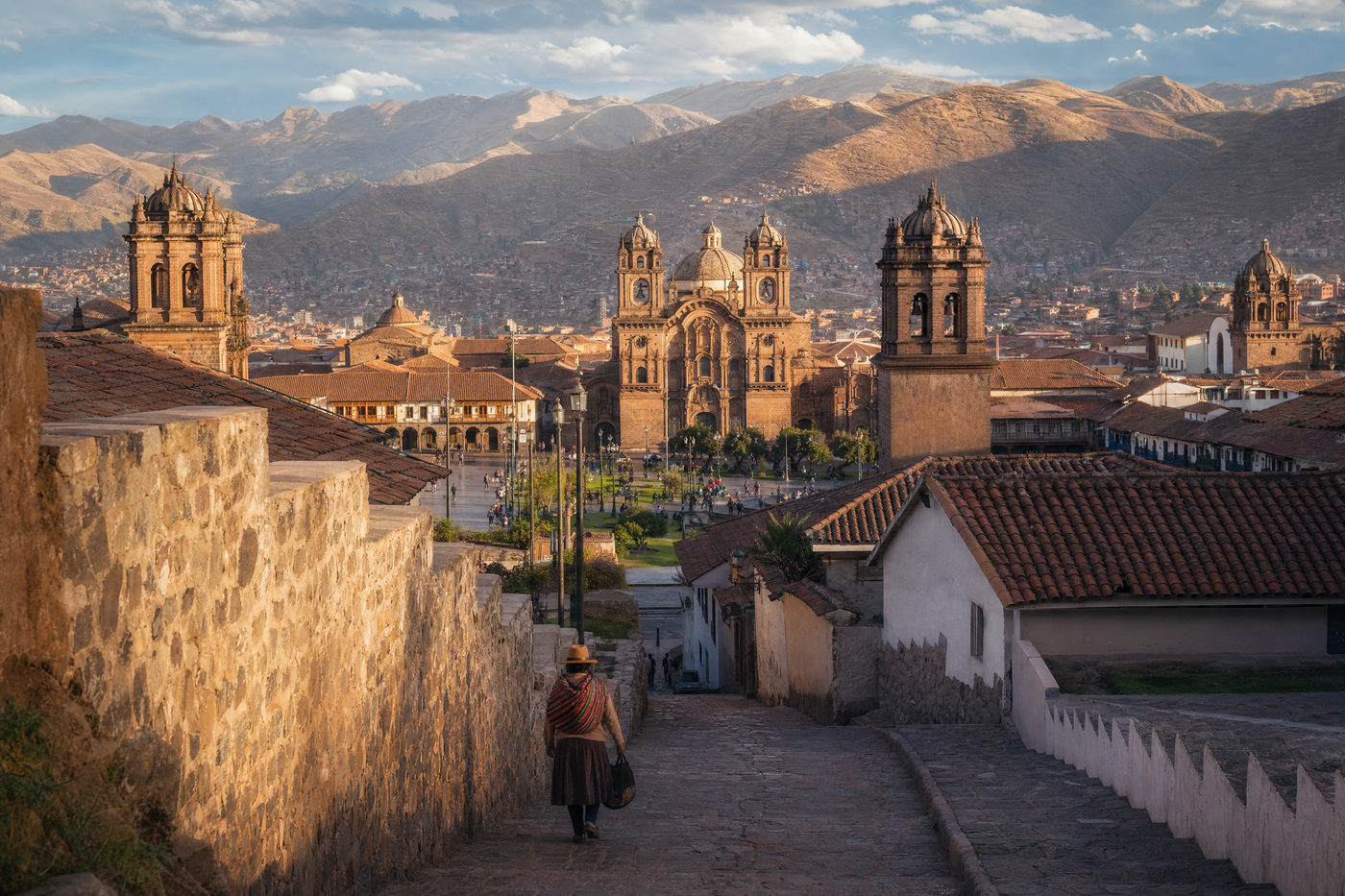
Thinking of visiting Cusco? This guide helps first-time travelers discover top neighborhoods, historic sites, local food, and smart ways to explore. Make the most of your trip with practical tips, a three-day itinerary, and advice on where to stay and what to eat.
Why visit Cusco: ancient heart of the Andes
Cusco, the historic capital of the Inca Empire, is a city where the past and present blend effortlessly. Sitting at 3,400 meters above sea level in the Peruvian Andes, Cusco is more than just the gateway to Machu Picchu. The city’s cobblestone streets are lined with centuries-old churches, Incan walls, vibrant artisan shops, and welcoming cafes. Set against dramatic mountain scenery, it offers both a glimpse into ancient traditions and an inviting launch pad for modern adventures.
Whether you’re fascinated by Andean culture, keen on Peruvian cuisine, or planning to explore surrounding archaeological sites, Cusco seamlessly adapts to different travel rhythms. The air is filled with a mix of Quechua and Spanish, and every plaza has its own story to tell. Here, travelers can slow their pace, adjust to the altitude, and immerse themselves in a city where history is always within reach.

Your trip deserves fewer tabs.
Start planning your tripGetting to Cusco and arriving with ease
Most visitors arrive at Alejandro Velasco Astete International Airport, approximately 20 minutes from city center by car. Flights from Lima, Arequipa, or Juliaca are frequent, making Cusco highly accessible from other Peruvian destinations. Taxis and official airport shuttles are available upon arrival; a prepaid taxi counter inside the airport is the stress-free option, with fares ranging from 30-50 soles ($8–$13 USD) to the center or nearby neighborhoods. Alternatively, some hotels arrange pickups in advance.
If traveling by bus from cities like Puno or Arequipa, expect a journey of 7–10 hours. The main bus terminal sits about 15–20 minutes from central Cusco by car. While trains do not currently offer direct service to Cusco city, rail travel is possible from nearby Poroy or Ollantaytambo onward to Machu Picchu. Upon arrival, take your time and stay hydrated, as even seasoned travelers can feel the altitude.
Understanding Cusco’s neighborhoods
Cusco is a city of distinct barrios (districts), each offering its own character and advantages for visitors. Here are the best areas for travelers to consider staying, organized by style and convenience:
- Centro Histórico: The city’s heart, encircling Plaza de Armas. Staying here means easy access to major sights, restaurants, and museums, but the area can feel busy and noisy at night.
- San Blas: Perched just uphill from the center, this bohemian neighborhood is known for artisan workshops, small galleries, and enchanting narrow streets. It’s quieter at night, though the uphill walk requires some stamina.
- Santa Ana & San Cristóbal: Character-rich and local, with traditional markets, churches, and great viewpoints. Ideal for travelers seeking authenticity just beyond the main tourist flow. Some streets are steep and cobbled.
- Santiago: Southeast of central Cusco, Santiago boasts affordable accommodation, vibrant market scenes, and easy walks to San Pedro Market or the historic center.
- Wanchaq: A more modern residential area north of the center, Wanchaq offers comfortable hotels, larger supermarkets, and a local vibe, but it’s a short taxi or a longer walk from central Cusco.
For most first-time travelers, Centro Histórico and San Blas strike the perfect balance between atmosphere and convenience.
Top sights and experiences in Cusco
Cusco offers more than a warm-up to Machu Picchu—it’s a destination packed with its own treasures. Here are some must-see highlights and rewarding experiences for your visit:
- Plaza de Armas: The city’s lively main square, surrounded by colonial arcades, restaurants, and two grand churches—Cusco Cathedral and Iglesia de la Compañía de Jesús.
- Qorikancha (Temple of the Sun): Once the Incan Empire’s spiritual core, the golden-walled Qorikancha remains awe-inspiring beneath the Santo Domingo monastery.
- San Pedro Market: A bustling market for fresh juices, street food, local fruits, spices, and handwoven Andean textiles.
- San Blas: Wander cobbled lanes, visit artisan studios and admire the panoramic city view from the San Blas church platform.
- Sacsayhuamán: An imposing Incan fortress above the city, with dramatic stone terraces and vast open grounds.
- Museums & Galleries: Museo de Arte Precolombino, Museo Inka, and contemporary art spaces showcase Peru’s rich heritage and creative present.
Be sure to leave time for simply wandering—some of the city’s magic is in its street scenes and unexpected discoveries.

Turn your travel ideas into a plan.
Start planning your tripExperiencing Cusco’s food and drink
Cusco is a hub of authentic highland cuisine, cozy coffee shops, and relaxed watering holes. Traditional Andean flavors, Spanish influences, and creative fusion inform regional classics and modern menus alike. You’ll find everything from lively markets to chef-driven restaurants:
- Ceviche and trout: While the coast claims ceviche’s origins, Cusco’s version often features Andean trout, marinated in lime and native peppers.
- Cuy (Guinea pig): For the adventurous, roasted cuy is a centuries-old delicacy—sample it at a specialty restaurant such as Pachapapa.
- Lomo saltado and alpaca steak: Savory stir-fried beef or grilled alpaca, served with native potatoes, are hearty local staples.
- Street snacks: Tamales, choclo con queso (corn with cheese), and empanadas fuel busy days.
- Markets and food stalls: San Pedro Market is the place to try juices, soups, and home-style dishes for a few soles.
- Cafés and bars: Try coca leaf tea to help with the altitude, or enjoy a craft beer, pisco sour, or coffee at local favorite Limbus Restobar or in San Blas café corners.
Vegetarian and vegan options abound, and international eateries mean diverse palates are easily satisfied.
Getting around: local transport tips
Cusco’s compact size puts many key sights within walking distance if you stay centrally, but altitude and steep streets sometimes slow things down. Here’s how to get around efficiently and safely:
- On foot: Most of the city’s attractions are walkable, especially in Centro Histórico and San Blas. Take it slow until you adjust to the altitude.
- Taxi: Licensed taxis are plentiful. Always agree on a fare before departure, as most do not use meters. Rides within city center cost 5–10 soles ($1.50–$3 USD).
- Public buses: “Combis” crisscross the city for just 1 sol, but routes can be confusing to new visitors and can be very crowded during peak hours.
- App-based rides: Services like Uber and Beat operate in Cusco, often at similar rates to local taxis, providing added convenience and safety for non-Spanish speakers.
- To the Sacred Valley: Shared vans (colectivos) depart frequently from Calle Pavitos in Cusco to Pisac, Urubamba, and Ollantaytambo.
The city is very walkable by day. At night and for locations beyond the center, use reputable taxis or app-based rides for safety and comfort.
Where to stay: hotels, hostels, and unique stays
Accommodations in Cusco range from stylish colonial hotels to budget-friendly hostels and boutique guesthouses with mountain views. Here’s what to expect in each neighborhood:
- Centro Histórico: Choose from elegant historic hotels (like JW Marriott El Convento), reliable chain options, or mid-range spots steps from main sights.
- San Blas: Best for independent hotels, artsy hostels, intimate guesthouses and Airbnb rentals, often with creative décor and city views.
- Santiago & Santa Ana: Lower-cost guesthouses and family-run hostals are common, some offering communal kitchens and authentic residential atmosphere.
- Wanchaq: Larger hotels and modern amenities, suitable for longer stays or those seeking quieter nights.
Booking in advance is advised for high season (May–September), festival times, and if you have specific preferences. Many accommodations include breakfast and luggage storage for those heading on multi-day treks.
Smart ways to acclimatize and stay healthy
At 3,400 meters, even the fittest travelers feel Cusco’s altitude. For a comfortable trip, take sensible steps on arrival. Plan easy, low-key activities your first day. Drink coca tea—offered free at many hotels—and plenty of water. Avoid alcohol and heavy meals until your body adjusts, and listen to how you feel.
If you’re coming directly from sea level, mild symptoms like headache or shortness of breath are common the first few days. Local pharmacies sell altitude sickness medicine (soroche pills) and basic first aid supplies. Sunscreen, hat, and sunglasses are indispensable in Cusco’s intense mountain sun. If you plan to trek, add at least two nights in the city before hitting the trails for maximum comfort and enjoyment.
Shopping and local markets
Cusco is a haven for textiles, artisanal crafts, and souvenirs. For centuries, its markets have been the focal point for trade between highland villages and the city. The most vibrant and accessible is the San Pedro Market—just a short walk from the Plaza de Armas—stocked with handwoven blankets, alpaca scarves, ceramics, chocolates, and natural remedies. Vendors happily explain how their products are made and the meaning embedded in traditional designs.
Browse the streets of San Blas for artist-run shops selling jewelry, paintings, or hand-carved wooden items. If you’re seeking higher-end crafts and fixed prices, check out the Centro de Textiles Tradicionales or boutique galleries off the Plaza de Armas. Remember that genuine baby alpaca is soft and expensive; most cheaper goods are blends. Always ask before you buy, and enjoy the buzz of this colorful marketplace culture.
Festivals and cultural highlights
Cusco’s annual calendar is dotted with colorful festivals that reflect its deep indigenous and colonial traditions. One of the most famous is Inti Raymi, the ancient Inca festival of the sun, celebrated every June 24th with elaborate processions, dances, and reenactments atop Sacsayhuamán. Easter and Corpus Christi also bring grand parades, fiery night celebrations, and music through the historic center.
Smaller neighborhood feasts, called fiestas patronales, fill the air with local music and costume processions on most weekends, especially May through July. Even if your trip doesn’t coincide with a major event, the city pulse is lively year-round thanks to street musicians, dancers, and creative performances in the main squares.
Three-day Cusco itinerary for first-time visitors
Use this flexible itinerary for a balanced Cusco experience, mixing essential sights with free time for exploration:
- Day 1: Settle in and explore Centro Histórico
Check into your hotel, drink coca tea, and stroll the Plaza de Armas. Visit Cusco Cathedral and Qorikancha. Wander the arcades and sample local snacks at San Pedro Market. Eat an early dinner—don’t overexert yourself on the first day due to altitude. - Day 2: Artisans, viewpoints, and Inca stonework
Wander San Blas in the morning. Browse workshops or sip coffee above the rooftops. In the afternoon, walk or taxi to Sacsayhuamán and, if you wish, continue to Q’enqo or other surrounding ruins. Return for dinner at a restaurant featuring Andean specialties. - Day 3: Markets, museums, or the Sacred Valley
Pick one of Cusco’s excellent museums (Museo de Arte Precolombino or Museo Inka). Alternatively, take a half-day trip to the Sacred Valley, Pisac market, or Maras salt mines via a tour or colectivo. Return for an evening stroll and a sunset drink overlooking the city.
This plan leaves space to rest, shop, or join a cooking class or local walking tour.
Final tips and planning advice
Cusco is a place to slow down, savor, and connect with local culture. Book major sights and events in advance during high seasons. Pack layers—days are warm in the sun but evenings get chilly. Always carry some cash (soles), especially for small purchases in markets.
Allow for at least two full days to see Cusco at an easy pace; more if you’re venturing to the Sacred Valley or joining a trek. Local guidebooks, free city walking tours, and talking with residents can reveal hidden gems amid the tourist mainstream. Above all, keep your plans flexible and prepare to be captivated by one of South America’s most remarkable cities.