Chiang Mai travel guide: what to see, where to stay and how to plan your days
 By Maya Rivers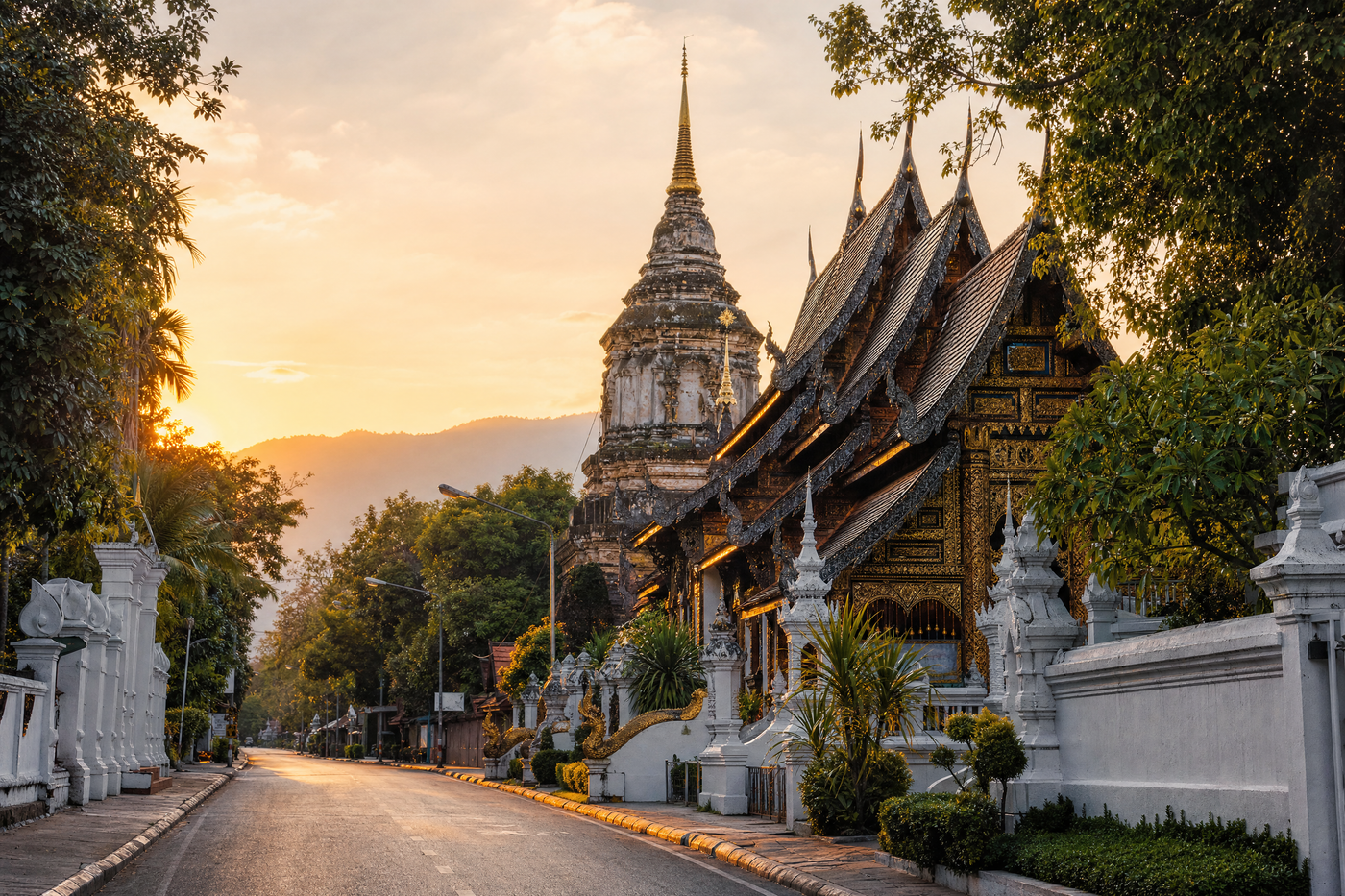
Discover Chiang Mai with this detailed first-time guide, from favorite neighborhoods and transport tips to top sights, food experiences and a flexible three-day itinerary. Everything you need for a rewarding, realistic visit to northern Thailand’s cultural heart.
Why visit Chiang Mai?
Chiang Mai, often called the cultural capital of northern Thailand, is a fascinating mix of ancient tradition and modern-day energy. Set against a backdrop of misty mountains, this city is cherished for its wealth of Buddhist temples, vibrant markets, and a relaxed, creative spirit that draws new arrivals. Unlike Bangkok’s bustle or the island crowds further south, Chiang Mai offers a gentler pace, steeped in centuries of Lanna heritage yet thriving with hip cafés, art spaces, and colorful festivals.
Chiang Mai’s old city layout, friendly locals, and endless options for food and adventure make it a firm favorite with travelers on all budgets. Whether you want to wander through quirky neighborhoods, see golden temples, try innovative street food, or venture out to jungle hills, the city is uniquely welcoming to first-timers and return visitors alike.

Your trip deserves fewer tabs.
Start planning your tripGetting to and around Chiang Mai
Chiang Mai International Airport (CNX) is just a 15-minute drive from the old city, making arrival supremely convenient. Direct domestic flights serve Bangkok, Phuket and other Thai cities, and international routes connect to hubs like Singapore, Kuala Lumpur and Hong Kong. If you’re traveling from Bangkok, overnight trains and buses also provide scenic and budget-friendly alternatives, arriving at stations close to the center.
Once in Chiang Mai, you’ll find most attractions are within a few kilometers of each other. Songthaews—red shared trucks—are the mainstay of local transport, especially in the city’s core, and are easy to flag down on most streets. Grab app rides, tuk-tuks, and bicycle rentals round out the practical options. Walking is pleasant in the old city; for visits further afield, such as Doi Suthep or the handicrafts villages, consider hiring a car or arranging a private driver for maximum flexibility.
Best times to visit
Chiang Mai’s climate has three main seasons:
- Cool season (November–February): Daytime highs of 25–28°C and crisp evenings make this the best time to visit. The city is vibrant during winter festivals but also busiest, so book key services ahead.
- Hot season (March–May): Expect daytime temperatures over 35°C. The Songkran water festival in April brings lively celebrations, but be prepared for heat and occasional smoky haze from agricultural burning.
- Rainy season (June–October): Tropical downpours are common, mostly in late afternoons. Lush scenery and cooler air attract those seeking quieter sights and good deals on stays, but outdoor plans should allow for weather changes.
The city’s main events include Yi Peng lantern festival (Nov), Songkran (April), and the flower festival (Feb). Whatever your timing, Chiang Mai rewards travelers with unforgettable ambiance and ever-changing energy.
Chiang Mai’s neighborhoods: where to stay
The city is compact but varied, with each neighborhood having a distinct vibe. Choosing where to base yourself will shape your Chiang Mai experience.
- Old City (Historic core): Enclosed by remnants of ancient walls and a moat, the Old City is all about proximity to temples, museums, small guesthouses, and local eateries. Walking to sights is easy, and its lanes buzz with markets and backpacker hostels.
- Nimmanhaemin (Nimman): Northwest of the old city, this creative district centers on Nimmanhaemin Road, with boutique hotels, rooftop bars, trendy cafés and art galleries. Popular with young Thais, digital nomads, and foodies.
- Riverside (Ping River): East of the city wall, the Riverside is quieter, with leafy boutique resorts, chic restaurants, and romantic views. Great for relaxing evenings and access to riverside night markets.
- Night Bazaar & Chang Khlan: Just east of the old city, this is nightlife central, packed with hotels ranging from budget to luxury, as well as shopping, massage parlors, and local street food.
All of these areas are less than 15 minutes from one another by tuk-tuk or Grab, so you can easily sample several scenes during your stay.
Top Chiang Mai sights and cultural experiences
- Wat Phra That Doi Suthep: Chiang Mai’s iconic mountain-top temple, adorned with golden chedi and sweeping views. Go early or late to avoid crowds—and consider the dramatic climb up the 306-step naga staircase for extra atmosphere.
- Old City Temples: Beautiful ancient temples are everywhere—don’t miss Wat Chedi Luang, Wat Phra Singh, and Wat Chiang Man, each distinct in history and architecture.
- Sunday Walking Street Market: On Ratchadamnoen Road, this lively evening event transforms the old city with food stalls, handicrafts, and live music. Arrive hungry!
- Doi Pui Hmong village and Bhubing Palace: Combine Doi Suthep with a day trip to the Hmong village and the royal winter palace, set in cool pine forests.
- Art and craft villages: The Baan Tawai woodcarving community, Sankampaeng silver and cotton workshops, and umbrella-making at Bor Sang offer deep dives into northern Thai craftsmanship.
Pack comfortable shoes—walking, exploring hidden lanes, and venturing just outside the city are highlights of Chiang Mai’s lasting charm.

Turn your travel ideas into a plan.
Start planning your tripBest outdoor and adventure activities
- Elephant sanctuaries: Northern Thailand is famed for responsible elephant experiences. Choose accredited sanctuaries such as Elephant Nature Park for ethical, observation-based visits supporting conservation—avoid shows or riding.
- Doi Inthanon National Park: A day-trip worthy for misty peaks, lush waterfalls, and village trails. Trekking options range from gentle nature walks to overnight hikes with hill tribe stays.
- Mountain biking and cycling: Guided routes wind through fruit orchards, rice paddies, and along riverside paths. Bike rentals are easy in town.
- Ziplining and adventure parks: Jungle Flight and Flight of the Gibbon offer safe, family-friendly canopy tours in lush forest reserves outside the city.
Adventure activities are accessible from Chiang Mai’s city base. Many outfitters offer free transfers and half- or full-day options, making it simple to combine city sights with outdoor fun.
Eating in Chiang Mai: essential dishes and experiences
Chiang Mai’s food is a highlight, marked by rich, fragrant flavors and specialties unique to the north. Not to be missed:
- Khao Soi: This creamy coconut curry noodle soup (usually with chicken or beef) is Chiang Mai’s signature dish—try it at Khao Soi Khun Yai or Lamduan Fah Ham.
- Grilled meats & sausages: Sai ua (herbal pork sausage) and muu ping (grilled pork skewers) are popular both at markets and sit-down stalls.
- Sticky rice and nam prik: Dips of chili paste, often served with fresh or pickled vegetables and pork cracklings, are beloved snacks.
- Vegetarian and vegan food: Many Buddhist restaurants and cafés (like Taste From Heaven) offer affordable, creative meat-free options.
Don’t miss the city’s street food, especially at the North and South Gates, or local cafe culture in Nimman. Chiang Mai’s food scene moves easily from humble markets to cool bistros with global flair.
Markets, shopping and evening fun
The city comes alive each evening with market culture and relaxed nightlife. Beyond the Sunday Walking Street, consider:
- Warorot Market: Near the Ping River, this huge local market is perfect for fresh fruit, snacks, textiles and souvenirs. The nearby flower market is worth a detour for its vivid colors and photographic appeal.
- Night Bazaar: A landmark for bargain hunting and street eats, open nightly with a carnival-like atmosphere. It’s touristy but fun, especially for first-timers.
- Sat and Friday Night Markets: Smaller, less crowded options ideal for handmade crafts, vintage goods, and casual meals.
- Live music and bars: In Nimman, Old City and along the River, find everything from jazz and indie gigs to laid-back rooftop lounges. Chiang Mai nightlife feels social but rarely overwhelming.
The emphasis is on craft, creativity, and connection, making evenings as memorable as your daytime discoveries.
Getting around: local transport options explained
Chiang Mai’s size makes it accessible, but understanding your transport choices helps you maximize your days.
- Songthaew: These iconic red trucks work like shared taxis and are both cheap and abundant. Flag one down, tell the driver your destination, and join others going your way. Fares usually range from 30–60 baht within town.
- Tuk-tuks: Quick and lively, tuk-tuks suit short hops or late-night rides. Always agree on a fare before setting off.
- Grab and apps: The Grab app (like Uber) offers fair, transparent rates, especially for airport runs or reaching outlying temples.
- Bicycles and scooters: Rentals abound, but Chiang Mai’s traffic can be tricky for novices. Cycling is pleasant in the Old City or riverside lanes.
For trips to Doi Suthep, nearby national parks, or the handicraft districts, consider hiring a driver for a half or full day—your accommodation or a tour desk can easily arrange this.
Three-day Chiang Mai itinerary: flexible plans for every traveler
With three days, you’ll touch both highlights and hidden corners. Use this suggested itinerary as a base, adapting to your arrival times and interests.
- Day 1: Temples and Old City Wandering
- Check into your hotel and explore the Old City’s monuments: Wat Phra Singh, Wat Chedi Luang and Wat Chiang Man.
- Linger in coffee shops or explore the Three Kings Monument area for local context.
- Shop and snack your way through the Sunday (or Saturday) Walking Street market for dinner and souvenirs.
- Day 2: Doi Suthep and Countryside
- Ride or cycle up to Doi Suthep for morning light and fewer crowds—allow time at the summit and stop at Bhubing Palace or Doi Pui Hmong village en route.
- Return for a late lunch in Nimman, followed by gallery browsing or massage.
- Evenings are perfect for riverside dining or sampling street food at the Night Bazaar.
- Day 3: Arts, Shopping and Adventure
- Visit handicraft villages (Baan Tawai, Bor Sang) or take a cooking class.
- Alternatively, join a morning at an elephant sanctuary or a cycling/trekking tour in the hills.
- Wind down with sunset drinks in Nimman or quiet cocktails riverside.
This outline keeps things balanced, mixing big sights, local flavor, and time for spontaneous discovery—essential for Chiang Mai’s free-spirited mood.
Practical tips for planning your Chiang Mai trip
- Currency and payments: The Thai baht is king. Cash is still needed for markets and small restaurants, but ATMs and currency exchanges are widespread. Large hotels and many cafes accept cards.
- Language: Most tourism workers speak basic English, but learning a few Thai phrases (or how to greet with a “wai” bow) is warmly appreciated.
- Health and safety: Chiang Mai is generally safe. Tap water isn’t potable, but bottled water is cheap and everywhere. Sunscreen and insect repellent are essential for outdoor days.
- Respect in temples: Dress modestly—shoulders and knees covered, shoes off inside. Photography is allowed in most, but check for signs.
Internet is reliable city-wide. Medical services are modern and affordable, with pharmacies on most corners. If you’re planning hikes or rural tours, travel insurance with basic adventure coverage is highly advisable.
Beyond Chiang Mai: easy day trips and onward journeys
Chiang Mai serves as a perfect jumping-off point for exploring deeper into northern Thailand. Popular day trips include the artisan town of Lamphun, the temple caves at Chiang Dao, and the photogenic rice terraces of Mae Kampong. For longer escapes, Pai (a laid-back mountain retreat) and Chiang Rai (home to the White Temple) can be reached by scenic bus routes or organized tours.
Once you’ve soaked up Chiang Mai’s blend of serenity and creative buzz, it’s simple to continue your journey—whether it’s deeper into lush highlands, onward to Thailand’s beaches, or toward neighboring Laos or Myanmar. However you choose to plan your days, Chiang Mai’s authentic heart and welcoming neighborhoods promise to make your trip a lasting highlight of any Thai adventure.