Chiang Mai on a budget: how to save money without missing the best parts
 By Maya Rivers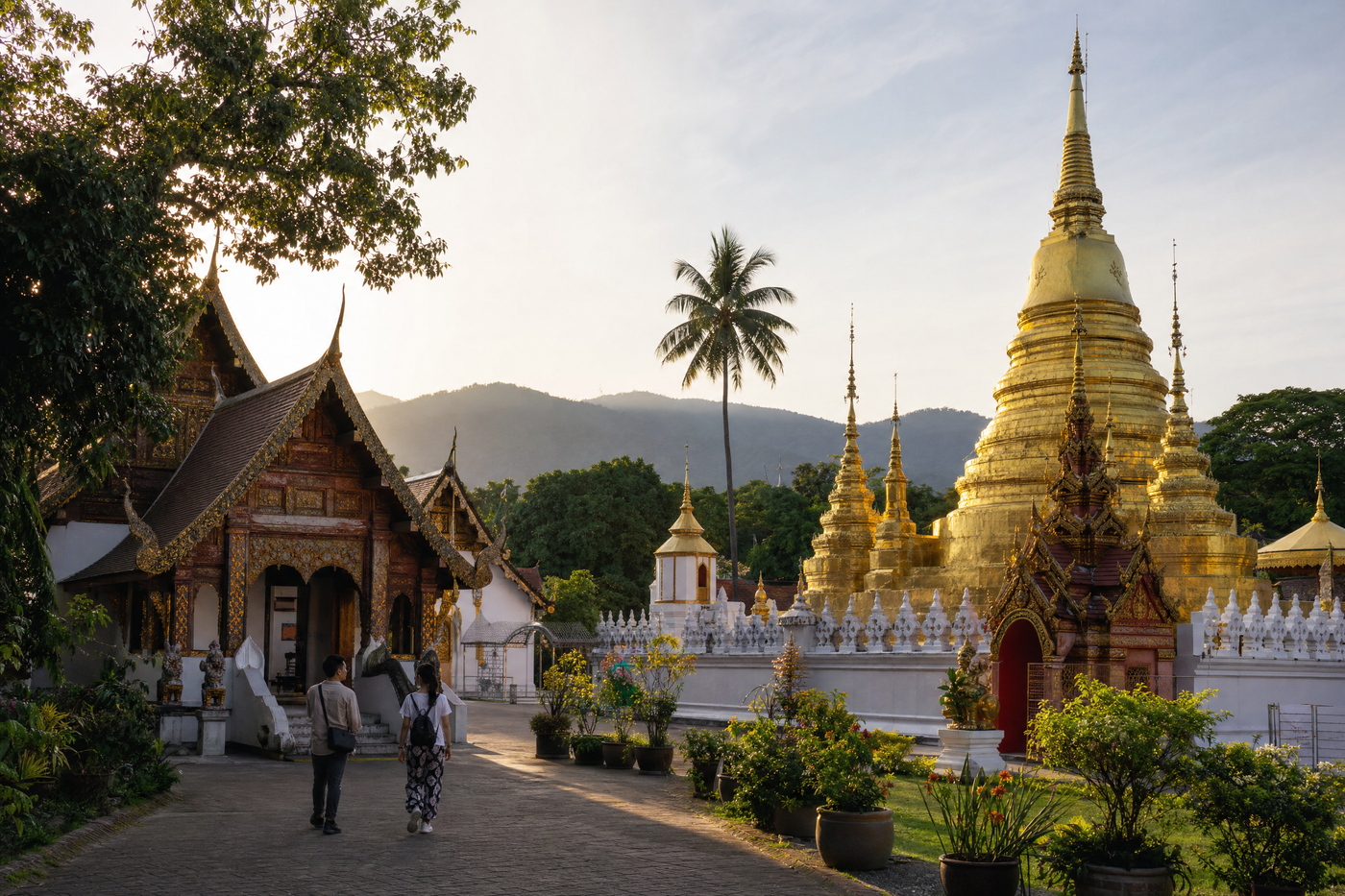
The magic of Chiang Mai doesn’t have to cost a fortune. This detailed guide shows leisure travelers how to experience the best of the city while saving money, with tips on free sights, smart transport, authentic meals, and splurges worth making.
Why Chiang Mai remains Southeast Asia’s value destination
With its mountain-ringed backdrop, ancient temples, and famously friendly locals, Chiang Mai is often lauded as one of Southeast Asia’s best value cities. While costs have risen in recent years, especially in the busy Old City, Chiang Mai still offers a wealth of affordable experiences that don’t sacrifice authenticity or comfort. The city strikes a distinct balance between centuries-old heritage and vibrant, laid-back urban life, making it an ideal destination for travelers planning realistic yet rewarding adventures.
Understanding the local context is key. Prices can range widely, with possibilities for budget accommodations and world-class travel available side by side. To maximize your money, carefully selecting what—and when—to spend on will let you enjoy Chiang Mai’s highlights and surprises alike. This guide unpacks where saving stretches your baht and which splurges are actually worth it.

Your trip deserves fewer tabs.
Start planning your tripSave on sightseeing: Chiang Mai’s best free attractions
- Temples galore: Most of Chiang Mai’s wats are free to enter or request only modest donations. Highlights include Wat Chedi Luang, Wat Phra Singh, and the atmospheric Wat Umong outside the city center. Dress modestly and arrive early for tranquility and cooler temperatures.
- Old City wandering: The square-walled Old City is best explored on foot. Discover photogenic gates, hidden monasteries, leafy courtyards, and buzzing public parks like Buak Hard—no tickets needed.
- Cultural events: Regular festivals such as the Sunday Walking Street Market (Rachadamnoen Road) and annual celebrations like Yi Peng (lantern festival) regularly host free performances and street parades. Follow local calendars or community boards for upcoming events.
- Nature nearby: The foothills of Doi Suthep and Huay Tung Tao Lake offer peaceful escapes for just the price of a local songthaew ride (shared red truck taxis).
With a bit of planning, you can fill several days with memorable, no-cost experiences that reflect Chiag Mai’s culture and lifestyle without ever breaking out your wallet.
How to get around for less: transport passes and local hacks
Chiang Mai’s compact size means travel costs can be kept surprisingly low. Walking remains the best (and cheapest) way to explore the Old City and its immediate surroundings, but for longer trips, local transport options abound.
- Songthaews: Fixed-route red trucks are the city’s unofficial backbone for public transit. Fares within the city start at just 30 THB, with higher prices depending on distance. Agree on the fare before boarding.
- City bus system: The RTC city buses are modern, air-conditioned, and only 20 THB per ride for most city routes. The blue Smart Bus service connects key transit points and runs from the airport to the Old City. Contactless Rabbit Cards can be purchased and topped up at convenience stores or main stations for added convenience.
- Bicycle rentals: A great choice for confident riders, bike rentals start from 50–100 THB per day at guesthouses and dedicated shops—ideal for flat central neighborhoods.
Taxi apps (such as Grab) and metered taxis are comfortable but pricier options. For daytrips to Doi Suthep or out-of-town sights, consider joining small group tours for value or sharing a chartered songthaew for an affordable split fare.
Savoring local food without the tourist mark-up
Chiang Mai’s culinary scene is famously affordable, but prices can quickly escalate at trendy tourist spots or Western-style cafes. To eat like a local and keep costs low, steer toward bustling markets, basic canteens, and family-run eateries, especially outside the Old City.
- Night markets and street food: The Chang Phuak Gate (North Gate) market, Saturday Wua Lai walking street, and Warorot Market all serve up regional specialties—like khao soi (curried egg noodles), sai ua (herbal sausages), and sticky rice with mango—for just 40–80 THB a dish. Don’t miss the grilled pork skewers and papaya salad.
- Vegetarian buffets: Popular among local workers, pay-by-weight or all-you-can-eat veggie buffets are filling, nutritious, and typically under 60 THB per meal.
- Self-serve drink stations: Look for shops offering self-serve reverse-osmosis drinking water refills for as little as 1 THB per liter, slashing bottled water costs and plastic waste.
To stretch your budget even further, have your main meal mid-day when lunch sets are cheapest, and opt for local coffee over specialty espresso drinks. Embracing Thai-style eating—sharing several small plates—lets you sample more without overspending.
The art of booking: best time and ways to save on accommodation
When you book makes as much of a difference as where you stay. The cheapest months for accommodation are during Chiang Mai’s shoulder seasons—roughly May to September (rainy, quieter, often with better deals) and November (just before peak tourist influx for festivals). Prices rise significantly in December-January and around popular festivals, so plan ahead if you’re set on visiting at these times.
Platform wise, booking.com and Agoda frequently run flash deals for private rooms and family-run guesthouses, many of which include extras like bike rentals or airport pick-up. For longer stays, explore Airbnb or local Facebook rental groups, which sometimes offer substantial discounts for week- or month-long commitments. Walk-in bookings last-minute, especially in off-peak, can sometimes yield great savings as owners try to fill rooms.
Consider the location’s impact: staying just outside the Old City wall (e.g., Santitham or Chang Phuak) often offers better value, quieter nights, and local flair, with easy access by songthaew or foot.

Turn your travel ideas into a plan.
Start planning your tripAffordable day trips: exploring beyond the city limits
Chiang Mai’s surrounding countryside is packed with attractions, many of which can be reached without splurging on expensive tours. Self-guided excursions or shared transport are easy to arrange and offer maximum flexibility.
- Doi Suthep: The city’s iconic temple, reachable by public songthaew for about 60 THB each way. Modest entry fee.
- Huay Tung Tao Lake: A favorite for locals, this lakeside park has 20 THB entry and affordable hut rentals for picnics or swimming.
- Doi Pui Hmong Village: A short drive past Doi Suthep, where visitors can experience traditional mountain life (entry 10–20 THB).
- Sankampaeng Hot Springs: Go by local bus or minivan. Entry is around 100 THB and you can soak your feet for free or rent a private hut for a small group.
When joining an organized tour, compare small local operators in town rather than booking through international websites. Grouping together with other travelers to hire a tuk tuk or songthaew for the day can halve or even third the price of private tours.
Where to splurge: experiences that justify paying more
While most activities can be enjoyed on a budget, some Chiang Mai experiences truly are worth the extra baht. Here’s where you’ll get value for your money:
- Ethical elephant sanctuaries: Choose sanctuaries focused on animal welfare (no riding or tricks). Expect to pay 1,500–2,600 THB for a full day, including transfer, meals, and English-speaking guides. This supports conservation and provides rare, meaningful interaction.
- Cooking classes: Half- and full-day classes (800–1,200 THB) include a market visit, instruction, and a multi-course feast. These classes are an edible souvenir you wouldn’t want to miss.
- Thai massage and spa: Treat yourself at a reputable spa or a historic temple-run massage school. A traditional 60-minute massage ranges from 250 THB at basic shops to 1,000 THB+ at luxury spas.
- Lanna cultural shows: Traditional dance and dinner experiences at quality venues such as Old Chiang Mai Cultural Center create lasting memories for 400–700 THB, including a multi-dish khantoke meal.
Consider allocating funds for these unique, local-centric activities while saving on everyday expenses elsewhere. It’s all about balance.
Markets and shopping: bargains and where to hold back
Chiang Mai’s markets are legendary, especially for handicrafts and vintage finds. But not everything is a deal, and overspending on souvenirs is an easy trap.
- Handicraft bargains: Look for locally made textiles, wood carvings, jewelry, and ceramics at the Saturday/Sunday Walking Street or the Saturday Wua Lai market. Bargaining is normal, but remain respectful—especially if the seller is an artisan.
- Where to skip: Thessaban or Night Bazaar areas typically feature higher prices for mass-produced souvenirs. For imported antiques or large items, double-check authenticity and consider shipping costs before buying.
- Alternative shops: Social enterprises like Elephant Parade or Lanna Handicrafts support fair trade and local artists, offering meaningful purchases even if prices are a bit higher.
Keep shopping for the end of your trip; knowing what you’ve loved lets you avoid impulsive buys. Always compare prices and quality across a few stalls before making a final decision.
Free and cheap cultural activities: tapping into local life
It doesn’t take much money to meaningfully experience Chiang Mai’s creative and spiritual scene. Many community events, art galleries, and festivals open their doors to visitors with little or no entrance fee.
- Free meditation classes: Several temples, such as Wat Suan Dok and Wat Ram Poeng, offer donation-based English-language meditation or monk chats. It’s a unique window into Thai Buddhism and daily life.
- Art spaces: Contemporary galleries like Baan Kang Wat, Gallery Seescape, and local university art spaces are free or donation-based. Look for pop-up exhibitions and evening art walks, especially during festivals.
- Workshops and language exchanges: Guesthouses and co-working spaces sometimes host free Thai language classes, cooking demos, or craft workshops. Networking apps and hostel boards are a good resource.
Simply joining in with the evening joggers at the moat-side parks or attending public ceremonies offers genuine insights into Chiang Mai’s daily rhythms and local priorities.
Festivals and best timing: save or splurge?
Visiting during Chiang Mai’s famed festivals adds magic, but also extra costs—accommodation in particular can double or triple. Weigh the pros and cons carefully, as each season brings different possibilities.
- Loy Krathong/Yi Peng (November): The lantern festival paints the city with glowing orbs and floating flower boats, drawing big crowds. While entry to the spectacle itself is free, hotels fill fast, and organized lantern releases (at temples or private venues) can cost 1,000+ THB per person, but are among the city’s most unforgettable experiences.
- Songkran (April): Thai New Year is famed for water battles in the streets. It’s wild, fun, and entirely free if you BYO water gear and join the crowds spontaneously.
- Floral Festival (February): Parades, sculptures, and garden tours highlight the region’s blooms with most events free, making it a bargain time for culture lovers.
If you’re aiming to save, avoid festival weeks and enjoy the city’s laid-back normalcy. If a festival is a priority, splurge on accommodation and prep early—many places book up months in advance.
Beyond backpacker basics: privacy and comfort at good value
Bargain travel in Chiang Mai doesn’t mean roughing it. Private rooms in guesthouses or budget hotels—typically 400–800 THB—even include air-conditioning, Wi-Fi, and attached bathrooms. Choose local, family-run options that encourage longer stays with discounts, free breakfast, or laundry service.
If you’re craving more amenities (like a pool, coworking, or modern décor) check special deal platforms or book in advance for discounts. Quiet neighborhoods just north or west of the Old City are particularly good value with less street noise.
For those considering hostels, most now offer capsule-style beds with curtains and lockers for added privacy without a big price jump—often just 100–350 THB/night. Don’t forget to check reviews for cleanliness and security before booking.
Maximizing your baht: sample budget itineraries
To put it all together, here are two sample itineraries showing you can savor Chiang Mai’s essence, with room for a couple of special splurges, without overspending:
- 3-Day Budget Explorer:
Day 1: Wander Old City temples, picnic at Buak Hard Park, night market dinner.
Day 2: Day trip to Doi Suthep & Hmong village (local songthaew); sunset river stroll.
Day 3: Morning meditation class, street food lunch, free art exhibit or handicraft shop, Thai foot massage splurge. - 5-Day Value Getaway:
Days as above, and add: Cooking class (splurge), lakeside lunch at Huay Tung Tao, local language exchange, and a Lanna dinner show.
Pacing your days with free cultural gems, cheap eats, and one or two deeper splurges ensures you’ll leave Chiang Mai feeling enriched—not overextended—for far less than you might expect.