Chiang Mai in three days: a balanced itinerary for first-time visitors
 By Maya Rivers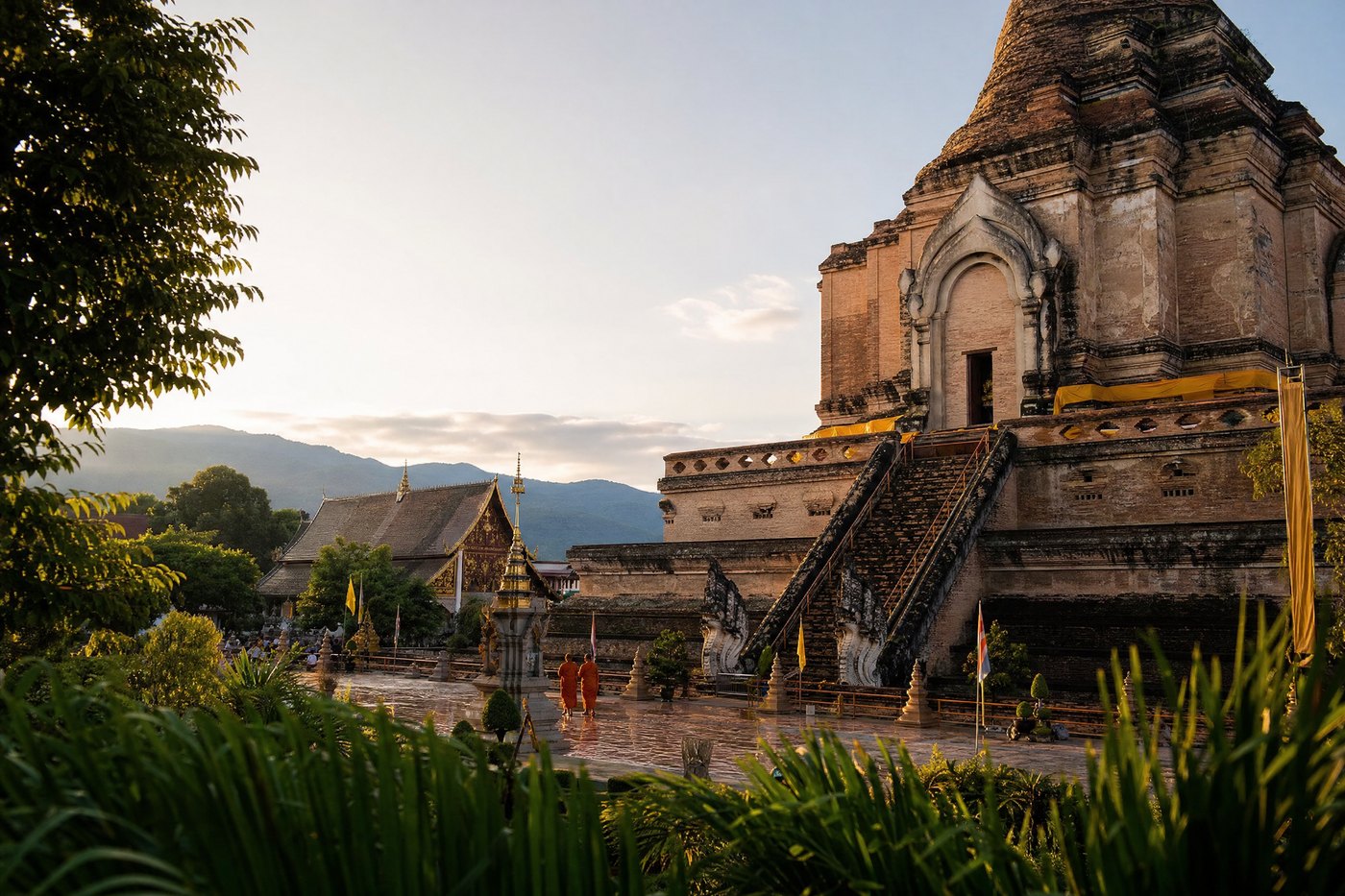
Explore Chiang Mai in 72 hours with a route that blends iconic sights, local flavors, relaxed pacing, and chances to wander. See ancient temples, bustling markets, and mountainside viewpoints—while leaving time for rest and spontaneous finds along the way.
Why Chiang Mai works for a three-day escape
Chiang Mai consistently charms first-time visitors with its blend of tradition and ease. Tucked in northern Thailand amid green hills and crumbling city walls, the city is compact yet layered, making it perfect for a just-right itinerary—one that doesn’t overwhelm or underdeliver. Three full days let you experience key temples, walkable neighborhoods, renowned markets, and even the mountain skyline without feeling hurried.
Daytime energy is mellow, evening brings bustling street life, and you’re never far from a new food find or leafy retreat. This route is paced to balance sightseeing with local rhythm, ensuring you avoid the common mistake of trying to do everything (and ending up missing Chiang Mai’s warm, slow pulse). You’ll embrace a mix of guided and spontaneous experiences, essential when weaving through a city whose alleys and courtyards often bring the best surprises.

Your trip deserves fewer tabs.
Start planning your tripDay one: settling in and exploring the Old City on foot
Most visitors arrive in Chiang Mai in the morning or early afternoon, whether by short flight or overnight train from Bangkok. Resist the urge to dive straight into the most famous sites. Instead, check into your hotel or guesthouse, freshen up, and orient yourself. Booking accommodation inside or just outside the ancient moat is ideal: it keeps walking distances manageable and lets you slip out easily for evening strolls.
After a rest and light lunch—try Khao Soi Khun Yai for a bowl of northern noodle curry—devote your afternoon to the Old City. Start at Wat Phra Singh, Chiang Mai’s best-known temple, with its golden chedi and detailed murals. Walk east along Ratchadamnoen Road, peeking into smaller temples like Wat Chedi Luang and Wat Phan Tao, each with centuries-old teak structures. The Old City is best seen at a slow pace; allow for lingering in cafés or people-watching at leafy squares, like the stretch opposite Tha Phae Gate.
First evening: sample the Sunday Night Walking Street if your visit coincides, or go for dinner at Huen Phen, which serves traditional Lanna dishes in an atmospheric old building. Early nights are common here; consider turning in around 9 or 10pm to adjust to the city’s rhythm and rest for an early start tomorrow.
What to know about local transport, booking, and orientation
Chiang Mai rewards the slow traveler, and most of the central sights are within strolling distance if you’re based inside the Old City walls. For points farther afield, like Doi Suthep or the Nimmanhaemin neighborhood, songthaews—red, shared trucks—are efficient and affordable. Flag these down and agree on the fare beforehand (usually 30–50 THB in town). Ride-hailing apps like Grab also operate, sometimes at a premium. There are a few things to pre-book: your Doi Suthep sunrise trip (many hotels can arrange a car/guide), and hands-on activities like cooking classes or ethical elephant sanctuaries. For regular temples and markets, walk-in is fine.
Most first-timers over-plan, packing days with too many stops. Expect traffic bottlenecks at certain hours, and remember Chiang Mai afternoons can be hot; that’s a good time for café breaks or a siesta at your hotel. Streets are well-marked, but navigation apps help in the winding sois (lanes). Carry cash for most small vendors, but bigger restaurants and hotels take cards. ATMs are plentiful within the Old City, and most signage is bilingual in Thai and English.
Day two morning: sunrise views and sacred mountaintop
Kick off your second day before dawn with a visit to Wat Phra That Doi Suthep, perched high above the city. It’s a 30–40-minute ride from town; book a car or join a small-group sunrise tour for serene views and the atmospheric monks' chanting. Climbing the serpent-flanked staircase with fewer crowds is one of Chiang Mai’s most memorable moments—so leave as early as you can. Once at the top, watch the sun rise over the plain and spend time exploring shrines and view platforms. Bring a light jacket for the cooler air up here and cover shoulders and knees inside the temple.
Returning to town by mid-morning, refuel with a coffee and croissant at Ristr8to Lab or Graph Café (Nimmanhaemin Road is Chiang Mai’s hipster café district). This is also the best window for a local breakfast—try jok, a Thai-style rice porridge, at a nearby shop for an authentic start.

Turn your travel ideas into a plan.
Start planning your tripDay two midday: crafts, markets, and riverside escapes
As the midday heat settles, head east to the Warorot Market (Kad Luang), Chiang Mai’s most authentic produce and textiles hub. Watch locals shopping for spices and dried fruits, and browse stalls selling hill-tribe fabrics, cheap clothing, and homewares. This is a good time to try northern-style sausages or coconut pancakes from street vendors just outside the market; don’t be shy about sampling.
From here, stroll south toward the riverside. The area around Charoenrat Road is packed with galleries and artisan shops—great for picking up hand-dyed scarves or ceramics. Pause for lunch at The Riverside or Good View restaurant, both set right on the water. Unlike in Bangkok, lunch specials often run until mid-afternoon, so you can linger without rush. If you need to escape the heat, pop into one of the air-conditioned galleries or take a boat ride along the Ping River for a different city perspective.
Day two evening: Chiang Mai’s vibrant markets and street food
No trip to Chiang Mai is complete without at least one feast at the Night Bazaar—a sprawling evening market just east of the Old City. Head there just before dusk, as the crowds and neon lanterns start to flicker on. Set aside your map and wander: follow your senses to stalls hawking grilled meats, pad Thai, mango sticky rice, and less familiar Lanna specialties such as sai oua (spicy sausage) and nam prik ong (chili tomato dip).
If you’re keen to try something less touristy, nearby Chang Khlan Road hosts a daily street market where locals fill up after work. For a sit-down affair, Lemongrass on Loi Kroh Road offers crowd-pleasing Thai classics in a simple setting. Let the evening wind down with a riverside cocktail or a nightcap at a jazzy Old City bar like North Gate Jazz Co-op. Save your energy: tomorrow, adventure stretches beyond the city center.
Day three: one-day adventure just outside the city
Dedicate your last day to Chiang Mai’s natural surroundings and interactive experiences. There’s a whole menu of possibilities, but with just one day, pick a single focus:
- Eco-conscious elephant sanctuary: Choose a reputable, no-riding operation like Elephant Nature Park. Book in advance; many tours include minivan pickup, feeding, and observing the elephants in a natural setting.
- Cooking class: Join a half-day course at Thai Farm Cooking School or Asia Scenic, where you pick herbs in a garden and prepare five dishes from scratch. Morning classes leave time for a relaxed lunch and a walk afterward.
- Doi Inthanon National Park: Take a small-group tour to Thailand’s highest peak and see waterfalls, hill-tribe villages, and mountain temples. Temperatures are cooler on the mountain—bring layers.
These full-day excursions are best booked the day before (earlier in high season). Avoid last-minute touts—ask your hotel for vetted operators. Remember: even the smoothest tour will take most of the day, so build in time to relax when you return.
Where to eat: essential breakfast, lunch, and dinner stops
Chiang Mai is a city of flavors, and even on a short stay, you can taste its variety. Begin with breakfast at Fern Forest Café, an airy garden spot with eggs, pastries, and Thai classics—great for slow mornings. For lunch, don’t miss Khao Soi Mae Sai or SP Chicken, famous for their spicy noodles and charcoal-roasted chicken, respectively. Both spots are casual and family-friendly.
Dinner selections range from night market snacks to beautiful sit-down options. Try Kiti Panit for a gourmet take on Lanna cuisine, or sample stews and grilled meats at Tong Tem Toh in Nimman, beloved by locals and travelers alike. For dessert, mango sticky rice at Suk Suan Ka Fe is unbeatable. Do expect some queues at peak times—arrive early and keep backup options in mind.
Local life and hidden corners worth your time
While it’s tempting to stay on the main tourist routes, Chiang Mai’s charm emerges best in its quieter corners. Early mornings, stroll the tree-lined lanes west of Wat Phra Singh, where roosters call and monks sweep the pathways. The soi behind Suan Dok Gate reveals traditional wooden houses and tiny family-run coffee stands, often overlooked by visitors.
Afternoons are perfect for a detour to the Artist House or Lanna Folklife Museum, both offering insight into northern Thai culture and creativity. If you’re a fan of markets beyond the Night Bazaar, the Saturday Walking Street on Wua Lai Road showcases handmade silverwork and less commercial crafts. Don’t hesitate to explore a little: Chiang Mai rewards wanderers with serene courtyards, quiet bookstores, and art-filled spaces you might have all to yourself.
Common mistakes and myths for first-time visitors
Many visitors try to pack all the temples, markets, food tours, and day trips into 72 hours—only to end up exhausted and overwhelmed. Resist the urge to race from sight to sight. Chiang Mai is as much about mood as monuments. Instead of braving midday heat at outdoor sites, plan main walks early and late, keeping afternoons open for indoor or shaded diversions.
Another mistake: underestimating distances outside the Old City. Doi Suthep and Doi Inthanon require extra travel time (and advance bookings for tours). Don’t expect to hail a taxi at every corner—songthaews and apps are more reliable. Finally, don’t assume every elephant camp or cooking class is ethical; verify reviews and book with operators who prioritize animal welfare and sustainable food practices.
How to pace your days: morning momentum, afternoon slowdown
Chiang Mai wakes gently, and you should too. Temples and markets tend to be least crowded before 9am; breakfast openings often start at 7 or 8am, making this a perfect window for sightseeing. Markets are most active in the cool of morning and evening, with a noticeable midday lull—plan accordingly to avoid the heat and crowds.
Afternoons, everything slows down. Locals escape the heat with naps or café breaks, and many attractions close between noon and 2pm or earlier. That’s a signal to pause, too: retreat to your hotel pool, schedule a herbal massage, or find a shady courtyard for reading. By 5pm, as evening cools the air, the city comes alive once again with night markets and open-air eateries. Adopting this rhythm helps you recharge and say yes to spontaneous discoveries after dark.
Final tips: getting the most from your three days
Pack light and dress for comfort, with respect for temple etiquette—covered shoulders and knees are essential at all religious sites. Hydration is key, as Chiang Mai can be humid year-round, and bottled water is widely available. Download a local map on your phone for offline use, and keep the number of your accommodation handy for taxi returns. Tipping isn’t mandatory but is appreciated—round up small bills for drivers and café staff.
Above all, allow room in your itinerary for the unexpected: a hidden shrine, a new friend over coffee, or an impromptu cooking demonstration in a market. Chiang Mai is best experienced at a gentle pace, savoring each moment and each meal. With three balanced days, you’ll leave with both memories of famous sights and a richer sense of everyday city life.