The Complete Carry-On Packing List for a Week: Travel Light Without Sacrificing Essentials
 By Samir Cole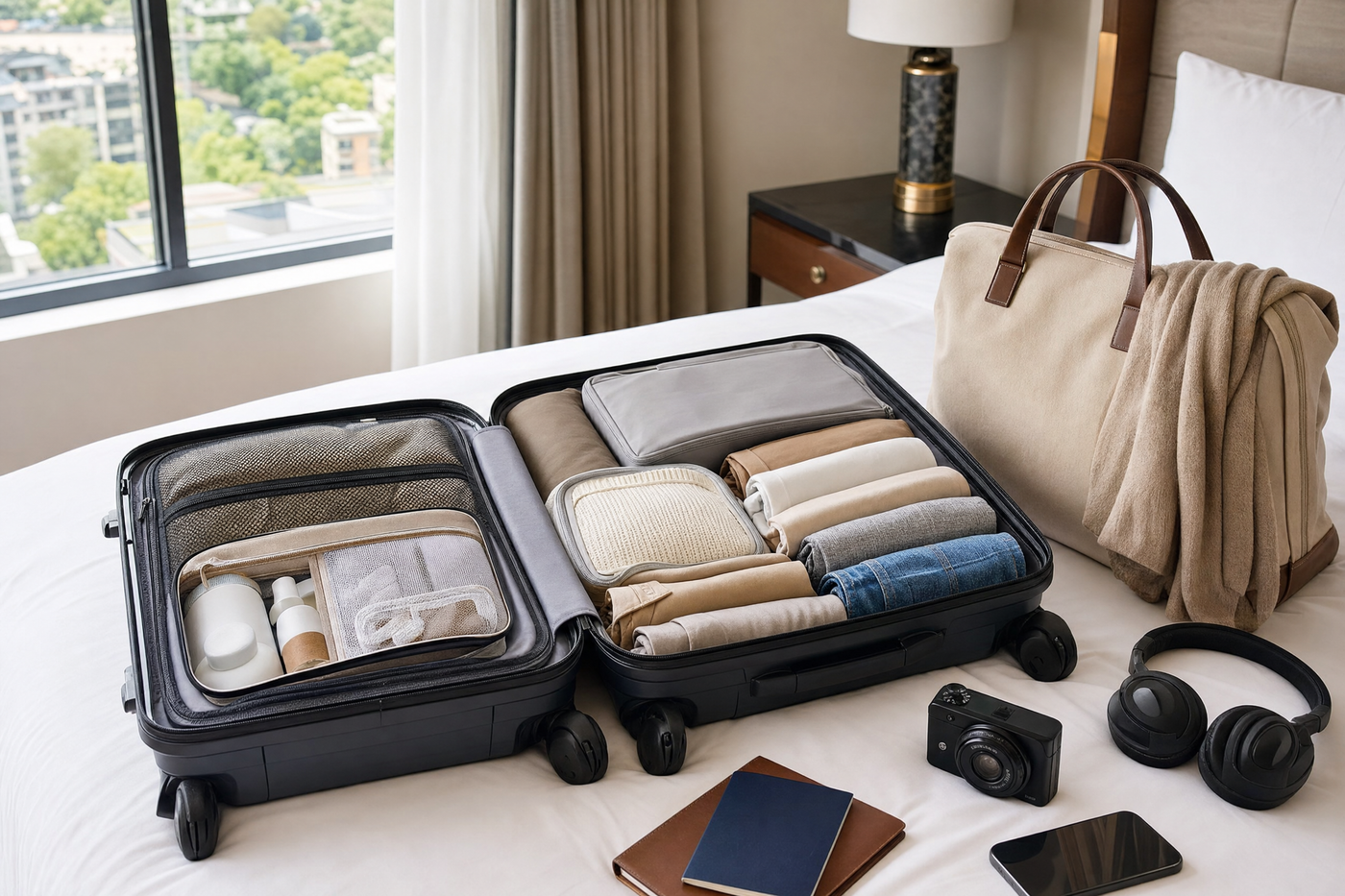
Plan one week away with nothing but a carry-on bag. Discover a thorough, practical packing list—plus the mindset and strategies to travel lighter and smarter—so you have everything you need and nothing you don’t.
The mindset shift: less is truly more
The secret to packing efficiently for a one-week trip lies less in advanced folding tricks, and more in a simple, but transformative mindset: you really don’t need as much as you think. Every item you pack should earn its keep—both in weight and usefulness. Rather than dreading packing as an anxiety-filled process of not forgetting something, treat it as an opportunity to simplify your travel and savor the comfort of having only what you need.
Focus on versatility, layering, and items with multiple purposes. Ask yourself before adding anything to your bag: Will I use this more than once? Does this work with other things I’m packing? Minimalism isn’t deprivation—it’s freedom. You save time at airports, skip baggage fees, and breeze through customs. Lighter bags mean more focus on your journey, not your stuff.
It helps to visualize your trip day by day and imagine your routines. Picture yourself dressing each morning and winding down at night. What gets constant use, and which items are likely to sit untouched? Make a list before you pull out your suitcase, aiming to edit as much as you add. A mindful approach at this stage ensures you travel confidently and comfortably.

Your trip deserves fewer tabs.
Start planning your tripThe 5-4-3-2-1 packing formula: a clothing guide
- 5 tops: Pack a mix of neutral t-shirts, blouses, or casual button-downs. Choose materials that won’t wrinkle easily and can mix-and-match with your bottoms.
- 4 bottoms: Combine two pairs of shorts or skirts (season depending), one pair of versatile pants or jeans, and one comfortable pair for travel or lounging.
- 3 layering pieces: Include items suitable for the likely weather—think a sweater, a lightweight jacket, or a cardigan. One should be more formal if you’ll eat out or attend an event.
- 2 pairs of shoes: Bring one comfortable walking shoe and one casual or dressier alternate that works with all outfits.
- 1 set of sleepwear & 1 swimsuit: Even if you’re not sure about swimming, a swimsuit doubles as underwear, workout wear, or emergency layering.
This 5-4-3-2-1 rule covers clothing variety with maximum reusability. Adjust for climate (swap shorts for jeans in winter, for example) but stick to this count as a foundation. Most travelers find they still have a couple unworn pieces—consider that a sign you packed well.
Planning outfits for every climate
Climate is the core variable in every carry-on packing list. For warm destinations, keep fabrics lightweight and breathable—think linen, cotton, or moisture-wicking synthetics. You’ll want a sun hat and sunglasses as must-have accessories. In cold climates, each piece should focus on warmth and layering potential—long-sleeve shirts, thin thermals, and a compact insulated jacket top the list.
Shoulder season travel (spring/autumn) calls for versatile layers: think one or two midweight sweaters, plus a rain-resistant jacket. Lay out every combination—can each top pair with each bottom? Footwear should correspond in comfort and weather resistance, as you’ll likely walk more than you do at home.
Always include at least one outfit suitable for dining out or a special occasion. For most destinations, a simple black dress or smart button-up shirt with dark jeans works. This way, you’re prepared without packing specialized items for a single event.
Toiletries and liquids: how to pack compactly
A carry-on requires following the 3-1-1 liquid rule: each liquid must be in a container no larger than 100ml (3.4oz), contained in a single clear quart-sized bag. Bring travel sizes of essentials only. Shared accommodations or most hotels supply shampoo and body wash, so bring only specialty products you need for comfort or medical reasons.
- Toothbrush, travel toothpaste, floss
- Mini deodorant, comb/brush
- Travel facial cleanser/moisturizer
- Razor, shaving supplies
- Solid or powder cosmetics (if needed)
- A few makeup basics (if worn)
- Mini sunscreen
- Travel laundry soap sheets for emergencies
To avoid bulk, decant liquids into reusable travel bottles and opt for solids (like bar soap or shampoo bars) when possible. Keep your toiletry bag accessible on top for security screening.
Turn your travel ideas into a plan.
Start planning your tripTech, chargers, and travel gadgets
Technology is essential for navigation, booking confirmations, staying connected, and entertainment. But it’s easy to overpack electronics. Limit yourself to what you will genuinely use daily.
- Smartphone and charger
- Travel adapter (if traveling internationally)
- Headphones or earbuds
- Lightweight tablet or e-reader (optional; skip the laptop unless absolutely necessary)
- Charging cables and a small power bank
- USB wall charger with multiple ports
Keep electronics in a dedicated zip pouch and pack cables in a mesh case for easy access. Consider digital copies of guides, books, or entertainment to minimize bulk. Always double-check that you have the necessary adapters or SIM cards for your destination before departure.
Travel documents and money: streamlined and safe
No matter your destination, having your documents organized ensures smooth passage through check-in, security, and customs. Use a slim, zippered travel wallet or organizer. Place it in your personal item so it’s always within reach, but secure from theft.
- Passport/ID/visa (if required)
- Boarding passes (digital or paper)
- Travel insurance information/cards
- Emergency contact list, including your home country and destination contacts
- Credit/debit cards with travel notice set up; some backup cash in local and home currency
- Printed hotel or transport confirmations (helpful where WiFi is spotty)
If possible, email copies of all important documents to yourself and store them in a secure cloud service. RFID-blocking sleeves or wallets are good additions for high-theft destinations.
Medicine and comfort items for peace of mind
Your carry-on is the safest place for medicines and anything essential to your comfort or health. Over-the-counter items may not be readily available abroad or may be sold under unfamiliar names, so bring small quantities of what you need.
- Personal prescriptions in original packaging
- Pain reliever (ibuprofen, acetaminophen)
- Motion sickness medication (if flying or taking boats)
- Hand sanitizer and travel tissues
- Earplugs and an eye mask for sleeping in noisy or bright environments
- Lip balm, mini hand cream
- Basic first-aid items (plasters, antiseptic wipes, blister pads)
Plan for time zone adjustment if needed (melatonin or herbal sleep remedy). Keep all medications in your personal item for easy airport screening and access en route.
Weather layers: staying prepared without bulk
Sudden weather changes can challenge even the most organized traveler. The right layers are what keep your packing light, yet flexible. Focus on thin but warm pieces made from merino wool, fleece, or technical synthetics.
Include a light, packable rain jacket; these often fold into their own pocket and weigh next to nothing. A compact umbrella is useful for urban trips. For sun destinations, a long-sleeved UPF shirt protects against intense rays—these are lighter than most sweaters and dry quickly if washed on the go.
Instead of bulky sweatshirts or multiple jackets, layer a light pullover under your rain shell or a vest under your casual jacket. Accessories such as a scarf or beanie add warmth with very little room. Adapt by using what you’re wearing en route to save space in your bag.
Packing laundry-friendly: how to handle washing mid-trip
Packing for a week doesn’t always mean bringing seven days’ worth of clothing. Even one quick laundry session can reduce your clothing needs and your bag’s weight. Before you go, check if your lodging includes laundry facilities or nearby laundromats. Many hotels offer overnight turnaround for a fee, while Airbnb hosts often provide access for guests.
If washing in-room, lightweight travel laundry soap sheets or a small packet of powder lets you refresh a shirt or socks in your hotel sink. Bring a foldable hanger or clip to aid drying—microfiber fabrics often dry overnight. For longer or more adventurous trips, a portable stretch clothesline adds a little extra convenience without much space.
Plan to wash underwear, socks, and the most-used shirts. Doing a mini-laundry midweek means you can pack less upfront and feel fresher each day. Don’t forget a zip-top bag for dirty clothes.
Shoe strategy: stylish, sensible, and space-saving
Shoes often take up the most space in a carry-on, so limit yourself to two pairs: one for all-day walking and one that works for dressing up or casual outings. Choose neutral colors so both pair with every outfit; ideally, both should be worn in and comfortable before you leave home to avoid blisters.
Wear your bulkiest pair en route—usually sneakers or boots—so your smaller, lighter pair (like foldable flats or sandals) packs down easily. If you absolutely need specialty footwear (for hiking, for example), commit to wearing them while traveling, and make sure every other outfit works with your secondary pair.
Bring no more than two pairs for a week unless your destination absolutely demands it. Use a dust bag or shower cap to keep your clothes clean when shoes pack next to garments. A pair of flip-flops fits anywhere and can sub in at the beach, by the pool, or in shared bathrooms.
Your personal item: set up for smooth travel
Most airlines allow a carry-on suitcase and a smaller personal item—like a backpack, crossbody, or tote. Use this space for things you’ll need close by during your journey. The key is to organize so everything important stays within reach without creating a catch-all chaos bag.
- Travel wallet with passport, tickets, cash, and cards
- Phone, chargers, headphones, and tech organizer
- In-flight snacks and empty reusable water bottle (fill after security)
- Reading material or tablet
- Small toiletry pouch (lip balm, moisturizer, sanitizing wipes)
- Medications and comfort essentials (eye mask, neck pillow)
A structured, zippered bag prevents things from tangling or sinking to the bottom. Make this your “essentials kit”—not a backup suitcase. Keep it light enough to fit under your seat, and ensure it meets the airline’s personal item size limits.
What not to pack—and the final pre-trip checklist
Tempting as it is to pack for every scenario, remember the less you carry, the more you enjoy. Skip anything that’s single-use or easily bought at your destination: hair dryers, excessive makeup, full-size toiletries, “what if” clothing, heavy books, or redundant electronics. Bulky gear (like umbrellas or beach towels) is usually available locally if needed.
Final checklist before leaving home:
- Lay out everything and remove one non-essential from each category
- Check: weather, local customs, and baggage rules for your airline
- Confirm travel documents and bank cards are current and accessible
- Take photos of important documents and email them to yourself
- Charge all devices and pack cables/adapters
- Pack liquids in a clear, zipped bag and place on top
- Leave space for a small souvenir or gifts
Traveling with only a carry-on gives you unprecedented flexibility, speed, and peace of mind. Stick to your streamlined list, trust your preparation, and embrace the freedom of light, purposeful travel.