Cairo in three days: a balanced itinerary for first-time visitors
 By Maya Rivers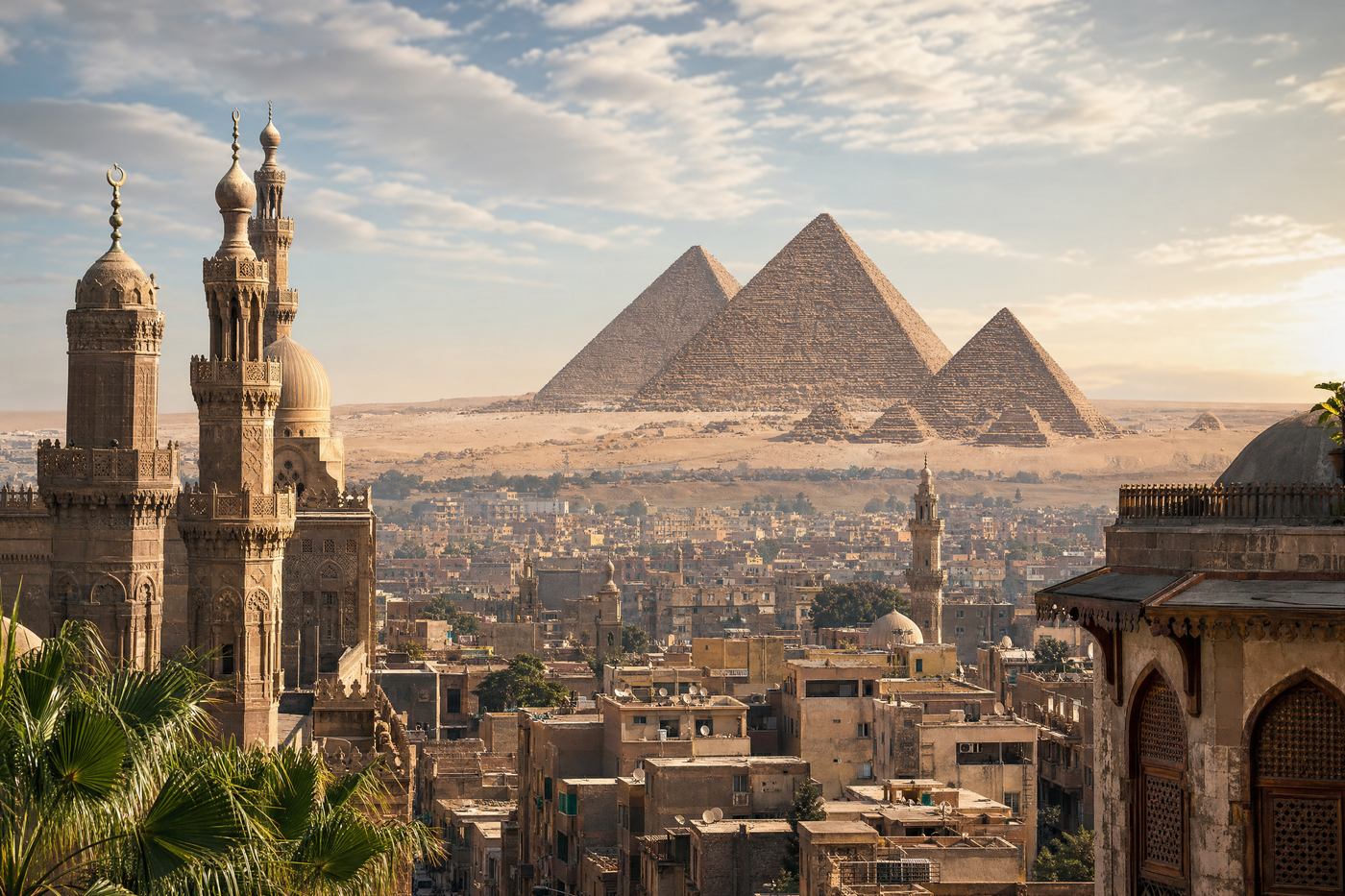
Experience Cairo over three days with this practical itinerary. Strike a balance between bucket-list sights, local meals, downtime, and spontaneous discoveries, designed specifically for first-time visitors who want to see Cairo’s highlights without feeling overwhelmed.
Why take your time in Cairo?
Cairo’s energy is legendary, but diving straight into its bustle can be overwhelming. Beyond its ancient treasures, the city rewards those who build in time for rest, food stops, and the unplanned conversations that arise in cafes or markets. A thoughtfully paced three-day itinerary allows you to see more by avoiding burnout, while also offering pockets of flexibility for moments that make your trip personal.
This itinerary is designed for first-time visitors who want a feel for Cairo’s layers—Pharaonic marvels, medieval labyrinths, and cosmopolitan avenues—without the fatigue or rush that often comes from cramming too much into a short visit. Each day is organized to balance sightseeing with downtime, and suggestions for meals and booking tips are woven throughout.

Your trip deserves fewer tabs.
Start planning your tripDay 1: Landmarks and first tastes
Morning: Giza pyramids and the Sphinx
Start your trip with an early breakfast at your hotel or pick up ful medames (stewed fava beans) from a local cart. The Giza plateau opens at 8 AM, so arrive early to beat the tour bus crowds and midday heat. Plan to spend at least three hours here to see the Great Pyramid, step inside a burial chamber, and gaze at the enigmatic Sphinx. Consider hiring a reputable guide on-site—look for official badges—or pre-book a guide via your hotel to deepen your understanding.
Lunch nearby
Many travelers overlook lunch options outside the pyramids. Instead of fast food, head to El Dar Darak or Felfela Giza for grilled meats, fresh salad, and cold hibiscus juice. These spots cater to locals and have English menus, making them a comfortable start to your food explorations. Remember, Cairo lunches can be lingering affairs—use this time to rest and review your photos.
Afternoon: Egyptian Museum on Tahrir Square
After lunch, take a taxi or ride-hailing app back to downtown Cairo. The Egyptian Museum is a must, but limit your visit to 1.5–2 hours; otherwise, the sheer volume of artifacts can be exhausting. Focus on highlights: Tutankhamun’s galleries, the Royal Mummies Room (extra ticket), and the Old Kingdom statuary. Photography is permitted but flash is banned—respect the signage and security guards.
Before you go, check museum opening hours, as they sometimes shift. Buy tickets online via the museum’s website or at the entrance. Don’t stress if you can’t see it all; a focused visit leaves energy for more Cairo discoveries later.
Evening: Stroll along the Nile
After the sensory overload of the museum, decompress with a walk along the Corniche or the tree-lined Zamalek island. Early evening is when locals come out, the traffic cools, and the golden sunlight paints the river. Pick a riverside café—like Crimson or Left Bank Zamalek—for a drink and light bites as you people-watch and rest your feet.
If you’re up for it, short felucca boat rides can be arranged from docks along the Corniche (bargain respectfully and agree on a price upfront—roughly $10–20 for a half-hour). Bring a light sweater, as evenings on the river can feel cool, even in warmer months.
Day 2: Markets, mosques, and hidden corners
Morning: Islamic Cairo and Khan El Khalili
After breakfast, head to the historic heart of Cairo. Start at Bab al-Futuh and walk south along Al-Muizz Street—an avenue flanked by medieval mosques, palaces, and restored merchant houses. Guided walking tours can be enriching, but confident travelers will enjoy simply wandering (the main route is pedestrianized and signage is increasingly visitor-friendly).
Stop at Al-Hakim Mosque, then continue to the bubbling Khan El Khalili bazaar. Keep valuables secure, and prepare for good-natured haggling if you wish to buy crafts or spices. Take breaks in landmark cafés like El Fishawy, which has served mint tea and stories for over 200 years.

Turn your travel ideas into a plan.
Start planning your tripLunch: Tastes of old Cairo
Don’t limit yourself to international chains; opt for authentic Cairo street food instead. Falafel (ta’ameya) sandwiched in baladi bread from a busy stand is a quick-and-delicious choice. For something more sit-down, Naguib Mahfouz Restaurant inside Khan El Khalili offers traditional Egyptian fare in an atmospheric, air-conditioned setting. Try molokhia (herb soup) or stuffed pigeon if you’re feeling adventurous.
Pro tip: Many local restaurants close for an hour or so after the mid-afternoon prayer. Time your lunch for around 1 PM and plan your sightseeing accordingly.
Afternoon: Sultan Hassan and Al-Rifa'i Mosques
After the bustle of the bazaar, visit these stunning mosques, standing side-by-side on Salah El-Din Square. The massive Sultan Hassan Mosque is often called the ‘pinnacle of Mamluk architecture’ and its echoing main hall inspires awe. Right next door is Al-Rifa’i, whose marble tombs house members of Egypt’s royal family and the Shah of Iran. Dress modestly (arms and legs covered; women should bring a scarf) and expect a small entry fee.
If time allows, walk up to the nearby Citadel for panoramic city views. Alternately, rest in the leafy Azhar Park cafe, sipping lemon-mint juice with a view of Cairo’s skyline.
Evening: Modern Cairo dining and nightlife
For dinner, venture to Downtown Cairo or Zamalek, both home to a new wave of bistros and cocktail bars. Abou El Sid is a perennial favorite for Egyptian classics in an ornate, lively setting. For fusion and lighter fare, try Zooba or Sufi Bookstore café. Reserve in advance for weekend evenings, when locals fill the best tables—and confirm dress codes, which can be enforced at higher-end venues.
If you prefer a quieter night, stroll through Zamalek’s galleries or bookshops, or end your day with a pastry at Mandarine Koueider, famous for syrupy basbousa and konafa. Cairo’s evenings are long and social; don’t rush to bed unless you really need the rest.
Day 3: Coptic Cairo and island escapes
Morning: Explore Coptic Cairo
Dedicate your last morning to the quieter, deeply historic enclave of Coptic Cairo. Take the metro (Mar Girgis station) or a ride-hailing app to this compact district. Key sights are within a short walk: the Hanging Church, one of the oldest places of Christian worship in Egypt; the atmospheric Church of St. Sergius, believed to have sheltered the Holy Family; and Ben Ezra Synagogue, rich with local lore. Expect gentle security but also warm welcomes.
The Coptic Museum nearby is often overlooked but is ideal for fans of art, textiles, and religious history. Budget about 1.5 hours; it’s rarely crowded, making for an unhurried visit.
Lunch: Garden cafés and Nile breezes
Escape the midday bustle by heading to Maadi, an expat-friendly neighborhood lined with shady gardens and chill cafés. Options like Ovio or Lucille’s (famous for burgers and all-day brunch) are ideal for refueling after a busy morning. Alternately, on Zamalek, try Sequoia for outdoor dining with stunning Nile views—book ahead for terrace seating on weekends.
Take your time: this is a chance to reflect, journal, or simply savor the blend of cultures and flavors that make Cairo unique.
Afternoon: Art, shopping, or a surprise detour
- For art lovers: Visit the Museum of Modern Egyptian Art or browse the galleries on Zamalek and Garden City, showcasing contemporary talents in serene settings.
- For shoppers: The boutiques on 26th of July Street (Zamalek) offer elegant jewelry, textiles, and books—a calmer experience than the city’s large malls or bazaars.
- For families: Consider a trip to Al-Azhar Park; let kids roam the playground while you admire Mamluk domes.
If Cairo’s pace has caught up with you, borrow the local habit of slowing down: find a cafe with shisha and mint tea, and simply take it all in before a gentle return to your hotel.
Booking tips, meal advice, and common mistakes
- Book key sights in advance: Tickets for the Giza pyramids, Egyptian Museum, and Coptic Museum can be arranged online—this saves time and lets you skip queues, especially in high season.
- Choose accommodations wisely: For first-timers, staying in Downtown or Zamalek balances access to sights with evening dining options. Check reviews for noise and proximity to the metro.
- Rely on ride-hailing apps: Uber and Careem operate widely, minimizing language barriers and haggling with taxi drivers.
- Time your meals: Egyptians eat lunch late (2–3pm) and dinner even later. Plan snacks or light meals if you’re adjusting to local mealtimes.
- Common mistake—over-scheduling: Trying to fit in too many sites a day can lead to exhaustion and frustration. Accept you cannot see everything, so prioritize and savor each stop.
- Stay hydrated and dress for the weather: Cairo can be extremely hot and dusty. Always carry water, and wear breathable layers that respect local customs—modest dress is appreciated at religious sites.
- Allow for downtime: Some of Cairo’s best moments will happen when you’re not rushing—leave gaps in your day for the impromptu discoveries that turn a good trip into a great one.
Ultimately, Cairo’s magnificence unfolds when you travel at your own rhythm, savoring both its grand landmarks and the small joys found in shaded courtyards, friendly cafés, or an unplanned riverside stroll.