Buenos Aires travel guide: what to see, where to stay and how to plan your days
 By Maya Rivers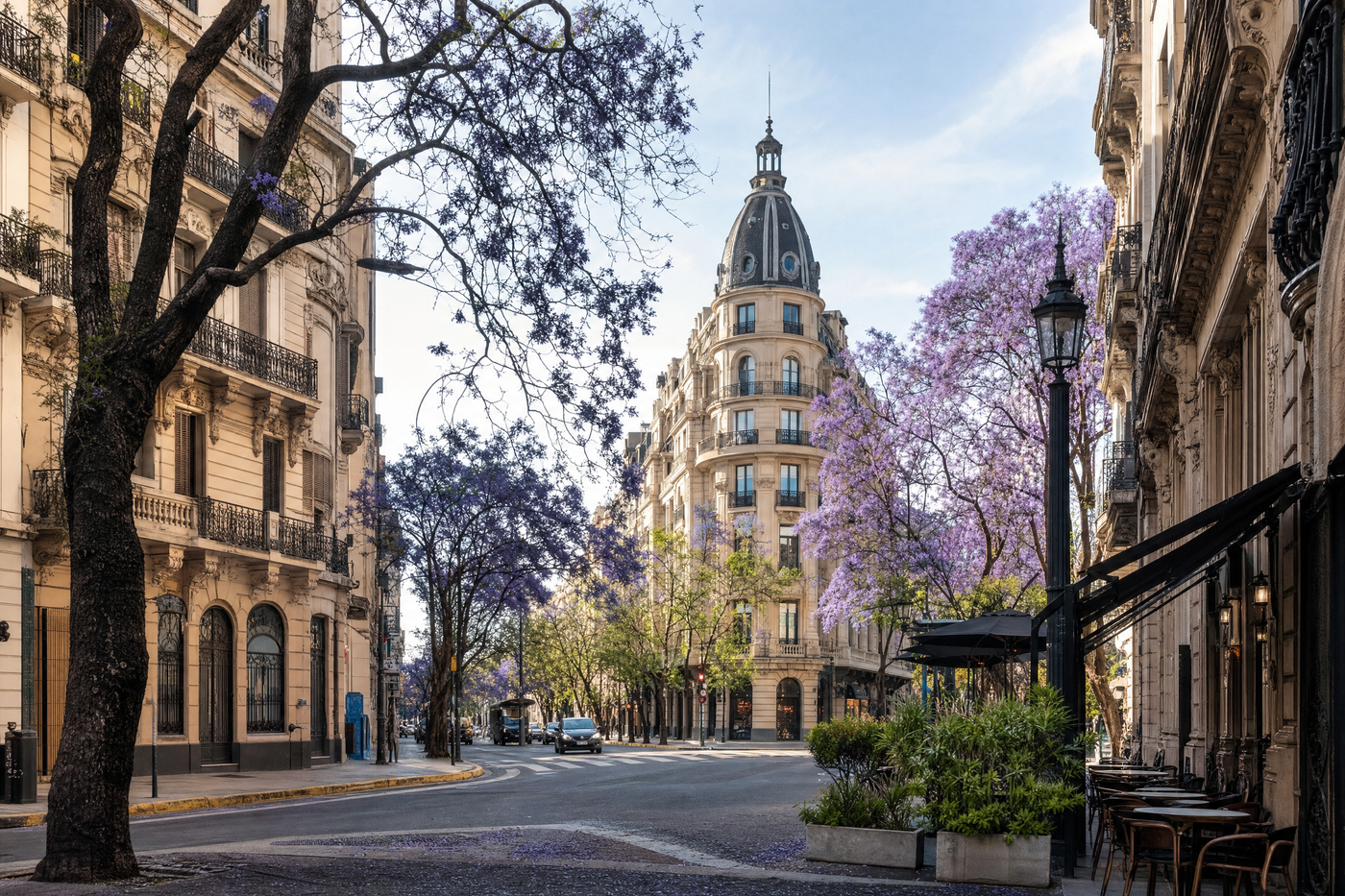
Discover Buenos Aires with this practical guide tailored for first-time travelers. Find out where to stay, what to see, how to get around, what to eat, and follow a realistic three-day itinerary for the best experience in Argentina’s buzzing capital.
Welcome to Buenos Aires
Buenos Aires, Argentina’s vibrant capital, is a mosaic of buzzing neighborhoods, grand avenues, colonial architecture, and sultry tango music. Its European-inspired boulevards blend with lively squares, street art, and a rich café culture that invites you to linger. For first-time visitors, the sheer energy, scale, and variety can be overwhelming — but with a little planning, you’ll find the city welcoming, manageable, and endlessly fascinating.
This guide is designed to help you navigate Buenos Aires with practical advice. Whether your interests lean to culture, food, architecture, or nightlife, you’ll find something to love. Read on for the best places to stay, must-see attractions, how to get around, where to eat, and a realistic three-day itinerary tailored for leisure travelers.

Your trip deserves fewer tabs.
Start planning your tripUnderstanding the neighborhoods
Buenos Aires is composed of distinctive barrios, or neighborhoods, each with a unique flavor. Most visitors spend their time in a handful of central districts, but venturing further afield is rewarding.
- Microcentro & San Nicolás: The city’s downtown heart, home to the Obelisco, Plaza de Mayo, and major museums.
- San Telmo: Known for cobbled streets, colonial buildings, antiques markets, and tango bars.
- La Boca: Famous for colorful Caminito street, vivid murals, and football fervor at La Bombonera stadium.
- Palermo: A sprawling, leafy district divided into Palermo Soho (artsy, bohemian, full of boutiques), Palermo Hollywood (trendy, nightlife), and Palermo Chico (upscale, refined).
- Recoleta: Elegant, Parisian-style boulevards, luxury hotels, and the iconic Recoleta Cemetery.
- Retiro: Grand plazas, leafy parks, craft markets, and key railway stations.
Understanding these barrios will help you navigate the city and pick accommodation that matches your travel style.
Where to stay: Best areas for first-time visitors
Choosing the right neighborhood to stay in can shape your Buenos Aires experience. Here’s a breakdown of top options for leisure travelers:
- Recoleta: Ideal for those who value walkability, leafy surroundings, and refined dining. The area is safe and well-connected to public transport, with many upmarket hotels and some affordable boutique options.
- Palermo: Great for food lovers, night owls, and those who want to be surrounded by cafés and independent shops. Palermo Soho offers stylish B&Bs and apartments, while Hollywood caters more to the nightlife crowd.
- Microcentro/San Nicolás: Good if you prefer to be in the thick of things and close to major sights. Expect high-rise hotels and a dynamic (sometimes noisy) urban feel. Many business travelers choose Microcentro; leisure visitors may prefer to visit during the day and lodge elsewhere.
- San Telmo: Perfect for history buffs and romantics, with boutique hotels tucked away in renovated mansions. The area comes alive on weekends with markets and street performers, though it quiets down at night.
For first-timers, Palermo and Recoleta generally offer the best balance of amenities, safety, and atmosphere. If you love wandering, café hopping, and feeling like a local, Palermo Soho is hard to beat. For a touch of classic elegance and easy access to museums, choose Recoleta.
Top sights you shouldn’t miss
- Plaza de Mayo & Casa Rosada: The historical core with Argentina’s presidential palace and dramatic history.
- Recoleta Cemetery: An unforgettable maze of elaborate mausoleums, including Eva Perón’s tomb.
- Caminito & La Boca: A colorful, lively street known for artists, street performances, and photogenic scenery.
- Teatro Colón: One of the world's great opera houses — take a guided tour or catch a performance.
- Palermo Parks & Jardín Botánico: Extensive green spaces, rose gardens, and tranquil escapes from city bustle.
- MALBA: A world-class modern art museum showcasing Latin American artists.
- San Telmo Market: Bustling with antiques, tango dancers, and local food every Sunday.
- Obelisco: Buenos Aires’ unmistakable icon and a natural starting point for exploring downtown.
These highlights easily fit into a three-day itinerary and showcase the city’s diversity. Don’t be afraid to wander and let serendipity lead you to hidden gems.
Sample three-day Buenos Aires itinerary
Day 1: Centro, Recoleta & a taste of tango
Start with coffee and medialunas at a historic café in Microcentro, then walk along Avenida de Mayo to Plaza de Mayo. Take in the Casa Rosada, Metropolitan Cathedral, and Cabildo. After lunch, make your way north to the grand Recoleta Cemetery, admiring the Belle Époque architecture en route. End your day with an early dinner at a Recoleta parrilla (steakhouse) and, if you have energy, book a tango show in San Telmo or Palermo for an unforgettable evening.
Day 2: Palermo parks, botanic gardens & local life
Dedicate your morning to Palermo’s green zones — the Bosques de Palermo and Japanese Garden are perfect for a leisurely stroll. Explore indie shops and vibrant street art in Palermo Soho, then lunch at a local café. In the afternoon, visit MALBA for Latin American art followed by drinks at a rooftop bar or craft beer spot. Dinner options are endless in this neighborhood, from elegant bistros to lively pizzerias.
Day 3: La Boca, San Telmo & the markets
Head to La Boca in the morning, visiting Caminito with its artists and performers. If you’re a football fan, book a stadium tour at La Bombonera. Next, meander through the historic streets of San Telmo. If it’s Sunday, the famous feria (market) fills Plaza Dorrego with antiques, street food and tango. Round off your adventure with a relaxed dinner in San Telmo or a riverside meal in Puerto Madero, the city’s modern docklands.

Turn your travel ideas into a plan.
Start planning your tripLocal food and essential dishes to try
Buenos Aires has one of the world’s most passionate food scenes. To dine well is to experience the beating heart of Argentine culture. The city is known for its steakhouses (parrillas), but there’s so much more on offer.
- Asado & parrilla: Order a bife de chorizo (sirloin), vacio (flank steak), or short ribs, with chimichurri sauce, fries, and a Malbec wine.
- Empanadas: Stuffed pastries, baked or fried, with fillings from meat to cheese and ham or spinach.
- Milanesa: Breaded and fried meat cutlet, often served napolitana-style with ham, cheese and tomato sauce.
- Pasta & pizza: Reflecting the city’s strong Italian heritage, you’ll find delicious pasta joints and thick cheese-laden pizzas.
- Medialunas: Crescent breakfast pastries, somewhere between a croissant and brioche, ideal with strong coffee.
- Dulce de leche: The addictive caramel spread, used in everything from pastries to ice cream.
While traditional is king, Buenos Aires also leads a wave of creative, modern cuisine. Try a closed-door supper club (puerta cerrada), sample vegetarian fare in Palermo, or track down a speakeasy-style cocktail bar for a nightcap.
Getting around Buenos Aires
The city is large but relatively easy to navigate thanks to its grid-like design and reliable public transport. The main options include:
- Subte (Subway): Color-coded metro lines connect most attractions. Buy a SUBE card at kiosks, which works on all public transport.
- Buses (Colectivos): Extensive coverage, including late hours. SUBE card required. Route maps are available online and in apps like "Cómo Llego".
- Taxis & ride-hailing: Taxis are plentiful and metered. Rideshare apps like Uber and Cabify operate city-wide (but drivers may prefer cash).
- Walking: Central neighborhoods are compact and pedestrian-friendly, but watch for uneven sidewalks.
Arrange transport to/from Ezeiza International Airport in advance (either a private car, taxi, or the Tienda León airport shuttle to Retiro station). For city exploration, the combination of Subte for longer hops and walking for short stretches works well for most visitors.
Money & practical tips
Argentina’s economy is famously volatile, and currency exchange rates can fluctuate rapidly. U.S. dollars and euros are widely accepted for exchange at authorized places (never on the street). Many restaurants and hotels accept card payments, but carrying some cash is useful.
Tip about 10% in restaurants unless service is included. Tipping taxi drivers is not required, but rounding up the fare is customary. ATMs can have high fees and low withdrawal limits; consider withdrawing larger amounts when you find a good rate, and use your card with a chip for added security.
Voltage is 220V (type C and I plugs), so bring an adaptor if needed. Buenos Aires is generally safe in tourist zones, but common-sense precautions (avoid flaunting valuables; keep bags zipped; use official taxis at night) go a long way.
Cultural highlights and events
Buenos Aires is electric with cultural happenings, both grand and grassroots. Check the calendar for major festivals like the Feria Internacional del Libro (Book Fair) in April or the tango championships in August. Almost every weekend brings open-air concerts, theater shows, or art exhibits to plazas and parks.
- Tango: The heart of Porteño identity, best experienced at a milonga (social dance) or professional tango show in venues like El Querandí or Café de los Angelitos.
- Football: Attending a Boca Juniors or River Plate match is a truly local experience — but book with reputable agencies.
- Street art tours: Explore colorful neighborhoods with a guided mural walk, particularly in Palermo and Colegiales. The local art scene is dynamic and internationally respected.
If museums appeal, don't miss the Museo Nacional de Bellas Artes (fine European and Argentine art) or the quirky Museo Evita. Checking listings in local free papers or online sites like Vuenosairez helps you tap into up-to-date happenings.
Shopping and souvenirs
Buenos Aires is a rewarding city for shoppers, blending traditional crafts with cutting-edge fashion. Feria de San Telmo’s Sunday market overflows with antiques, leather goods, and quirky finds, while the elegant Galerías Pacífico mall offers an upmarket retail experience in an architecturally striking setting.
- Leather goods: Argentine leather is famous for quality; seek out locally made jackets, shoes, and bags.
- Artisan markets: Plaza Francia (weekends) in Recoleta and Feria de Mataderos for rural crafts, ponchos, and mate gourds.
- Bookstores: El Ateneo Grand Splendid — a converted theater — is one of the world’s most beautiful bookstores.
- Tango memorabilia and music: San Telmo is the best district for vintage finds and tango-related gifts.
VAT refunds are available at some stores for international shoppers. Bring your passport and ask for Detax receipts when making larger purchases.
Day trips and excursions
Buenos Aires offers easy escapes if you crave a break from city life. A favorite excursion is the short boat ride across the Río de la Plata to Colonia del Sacramento, Uruguay — a UNESCO-listed town known for its cobbled lanes and colonial ruins.
- Tigre Delta: Just north of the capital, Tigre’s riverside markets and labyrinthine waterways make for a scenic day out. Trains run from Retiro station every 15–30 minutes.
- Estancias (country ranches): Spend a day as a gaucho, horse riding, enjoying asado lunches, or soaking up rural traditions — plenty of full- and half-day tours are available.
- San Isidro: This leafy suburb is known for its neo-Gothic cathedral, elegant homes, and riverside promenade.
Boat tickets to Colonia are best booked two days in advance, especially in high season. Organized tours offer convenience, but independent travelers can easily explore by train and ferry.
Planning tips for a smooth trip
Buenos Aires is a city best explored at a relaxed pace: don’t try to see everything. Leave time for spontaneous discoveries and long café breaks — they’re part of the local rhythm. Most sights open late (10–11am), and both lunch and dinner are eaten much later than in North America or Europe. Restaurants tend to fill after 9pm.
November through March is summer, with high temperatures and lots of open-air festivals, while April–June and September–November offer pleasant weather and beautiful jacaranda blooms. Winters (June–August) are mild but damp. Always check current entry requirements and bring any documentation needed for currency exchange or VAT returns.
Above all, bring curiosity and an open mind. Buenos Aires rewards travelers who explore beyond the highlights — engaging with locals, enjoying late-night strolls, and lingering in the plazas that make the city pulse with life.