Best time to visit Seattle: weather, crowds and seasonal travel tips
 By Maya Rivers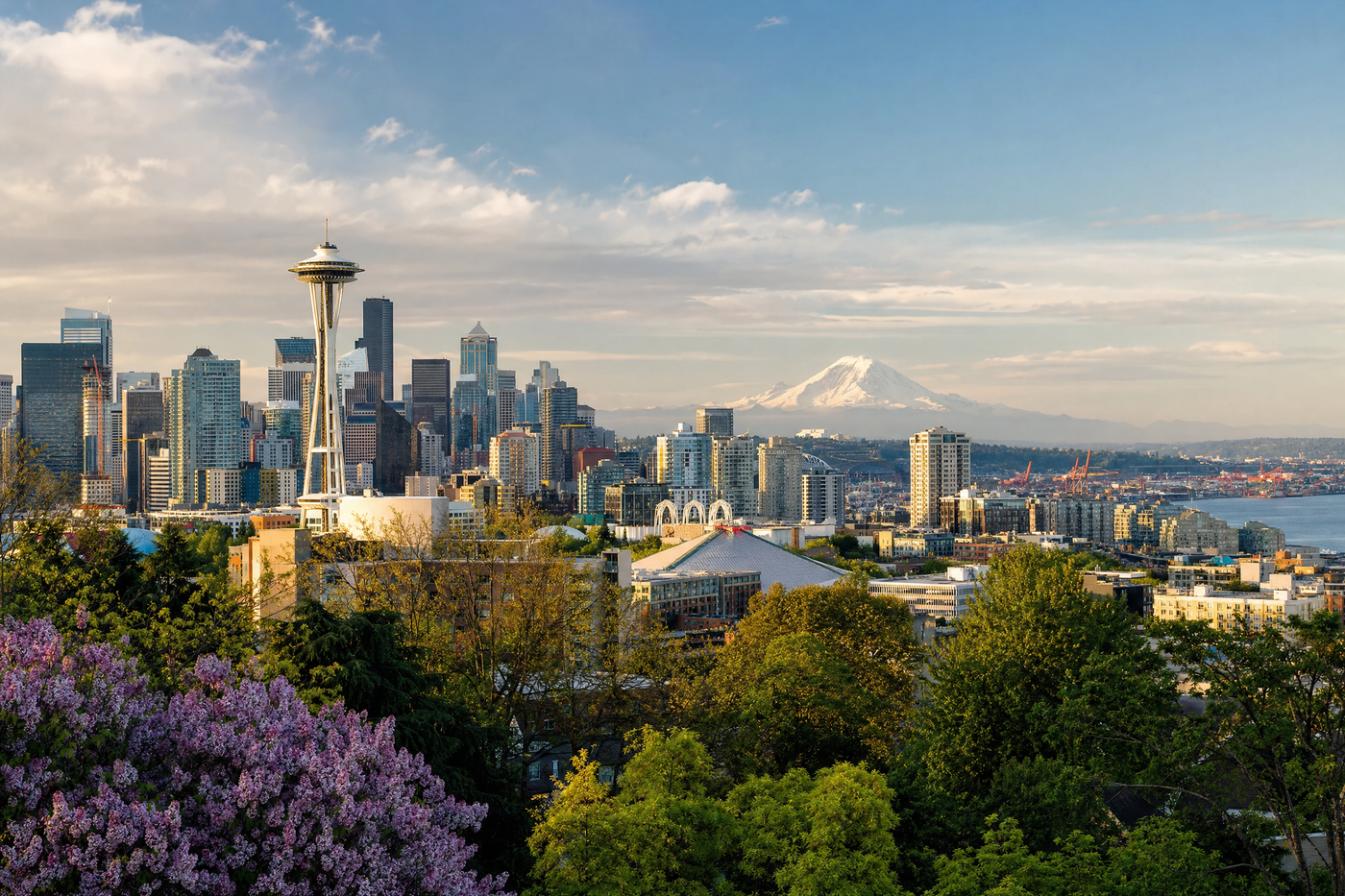
Seattle’s weather can be unpredictable, but each season offers unique advantages—balancing vibrant events, changing crowds, and variable prices. This detailed guide breaks down when to visit based on weather patterns, monthly crowd levels, and essential packing notes, so you can confidently plan your trip.
How Seattle’s seasons shape your visit
Seattle’s climate and travel appeal shift distinctly with the seasons. From sun-drenched summer festivals to the rainy winter calm, your experience is shaped by weather, crowd trends, and local happenings. Understanding these seasonal patterns can help maximize enjoyment, minimize crowds, and even save on travel costs.
But no matter when you arrive, Seattle’s natural beauty—framed by water, evergreen forests, and mountain peaks—guarantees memorable moments. This guide breaks down each month’s highlights, crowd patterns, pricing trends, and practical packing tips to match. Whether you love outdoor adventures or cozy urban escapes, you’ll find the right fit for your travel style.

Your trip deserves fewer tabs.
Start planning your tripSpring: March to May - Blossoms, rain showers, and revitalization
Seattle awakens in spring with blooming cherry trees, longer daylight hours, and slowly rising temperatures. March often brings lingering rains and daytime highs in the low 50s°F (10-12°C), tapering as April and May arrive. By late spring, parks like Washington Park Arboretum explode in color and the famed Pike Place Market unveils fresh, local produce.
This is shoulder season, so visitor numbers are moderate. Hotel rates remain lower than summer and famous spots like the Space Needle or the Seattle Art Museum are more relaxed. You’ll still want layers—a waterproof jacket and umbrella are essentials—but as late May arrives, afternoons could feel surprisingly warm. Spring is excellent for enjoying the outdoors before summer crowds fully emerge.
Summer: June to August - Festivals, clear views, and peak popularity
Seattle’s peak tourism season kicks off in June and crescendos through July and August. Highs are typically in the mid-70s°F (24°C), sometimes peaking near 80°F (27°C), with long, sunlit evenings. Rain is rare. Locals and visitors flock to lakes and parks, savoring the city’s famed coffee or craft beer on vibrant patios. Iconic events—like Seafair, Bite of Seattle, and Capitol Hill Block Party—fill city parks every weekend.
This is when Seattle is at its liveliest, but crowds and prices soar. Expect higher hotel and airfare rates, and advance booking is crucial for accommodations or marquee attractions. If you dream of clear mountain views, kayaking on Lake Union, or hiking in nearby national parks, summer rarely disappoints. Pack lightweight layers, sunglasses, sunscreen, and a hat—the sun can be surprisingly strong, despite Seattle’s rainy reputation.
Autumn: September to November - Harvest flavors, arts, and dwindling crowds
September remains nearly as warm as summer, but after Labor Day, the city empties out. Locals return to routines and visitor numbers tumble, making fall ideal for those longing for a more relaxed pace. October ushers in brilliant autumn foliage—especially in neighborhoods like Capitol Hill and Volunteer Park—and crisp afternoons in the mid-50s°F (13°C).
Hotel prices start tapering down by mid-September, and major sights become calmer. The arts scene thrives, with music, film, and food festivals filling up the local calendar. By November, grey skies and drizzle return, urging travelers indoors to the city’s excellent galleries, bookstores, and cozy cafes. Weather becomes unpredictable—a warm sweater and a reliable raincoat are wise additions to your suitcase.
Winter: December to February - Cozy escapes, cultural gems, and off-peak bargains
Seattle winters are mild compared to much of the U.S., but fog and persistent drizzle define the season. Daytime highs hover around the mid-40s°F (7°C) and snow is rare in the city proper, though possible. The holiday season sparkles with festivities like the Pike Place Market lights, downtown Christmas ships, and seasonal events at the Seattle Center.
This is low season for tourism, with the exception of Christmas and New Year’s weeks. Hotel rates are at their lowest and lines for popular indoor attractions are short. If you don’t mind grey skies, it’s a cozy time for exploring museums, indie theaters, or sampling local coffee shops. Waterproof boots, layered clothing, and a sturdy umbrella are vital for winter comfort.

Turn your travel ideas into a plan.
Start planning your tripMonthly breakdown: Seattle at a glance
- January/February: Rainy, chilly, and quiet—great museum deals, lowest prices.
- March: Wet weather, emerging blooms, still calm for sightseeing.
- April: Rain tapers, cherry blossoms peak, crowds slowly increase.
- May: Pleasant days, more sun, markets and gardens thrive.
- June: Warming, outdoor events start, crowd levels rise.
- July/August: Peak sunshine, busy festivals, high prices and crowds.
- September: Mild, sunny, thinned-out crowds, shifting colors.
- October: Chilly, golden autumn, arts and harvest fests begin.
- November: Rainy, indoor culture, cozy atmosphere.
- December: Festive, short days, quiet except holidays.
This timeline helps quickly spot the sweet spots between cost, crowd levels, and seasonal experiences.
Weather trends: What to really expect by season
Rain: Seattle’s rainy reputation isn’t unearned, but total precipitation is often less than other cities—spread over many gray, misty days rather than downpours. November to March is the wettest, with some form of precipitation likely in most weeks. April through October is drier, with summers sometimes seeing little more than the occasional drizzle.
Sunlight: Summer brings up to 16 hours of daylight, while December’s short days feature barely eight. Clouds are a constant presence except in high summer. Need outdoor time? Plan daylight activities with sunset times in mind, which can swing by several hours month-to-month.
Temperature: Seattle is rarely hot or extremely cold; winters stay above freezing, and heatwaves are rare and brief. Still, rapid changes mean layering is key in any month.
Crowd levels and timing your visit
Seattle’s busiest months are June through August, when accommodations fill up well in advance and popular sights can get crowded midday. If you prefer a quieter trip but still want pleasant weather, late May, early June, and September are prime windows—days are long, gardens are lush, and you won't have to compete for views at the city’s most popular outlooks or attractions.
Off-season (late fall to early spring) brings welcome solitude, especially for indoor activities. Restaurant reservations are easier, museums are tranquil, and scenic ferries offer wide-open decks. Even in low season, major events and conventions can cause temporary surges in both prices and foot traffic—double-check your travel dates against local calendars to avoid surprises.
Price seasonality: When to find the best deals
Hotel and flight costs vary significantly with the season. July and August are reliably the most expensive, with rates sometimes double those of winter. December (excluding holidays) through March is the least expensive time to book—often paired with airfare bargains. Traveling in the shoulder months of April, May, September, or October can save you 20% or more over peak summer.
Budget-conscious travelers can score notable savings by choosing midweek travel and booking well in advance whenever possible. If you have flexibility, watch for flash sales in January and February, when hotels entice visitors with deep discounts to fill rooms during the quietest weeks. Many attractions and tours also offer off-season specials or bundled deals.
Packing notes for every season
- Spring: Waterproof jacket, sturdy shoes, layers for variable weather, compact umbrella.
- Summer: T-shirts, lightweight pants/shorts, sun protection, a sweater or light jacket for cool evenings.
- Autumn: Warm sweaters, rain-resistant coat, comfortable walking shoes, scarf or beanie.
- Winter: Insulating layers, waterproof boots, gloves, hat, and a durable umbrella.
Regardless of season, Seattle style is casual and practical. The "Seattle Squeeze" (everyone with an umbrella and a coffee cup) is real—bring one you can stash easily and be ready for quickly changing skies.
What locals recommend: Insider timing tips
Seattleites are experts at making the most of every sliver of sunshine. They’ll tell you the city’s best with September’s golden light, when warm days linger but the urban rush has faded. Many avoid peak summer crowds by visiting parks or beaches early in the day, and take advantage of sunny spring and fall afternoons for spontaneous outings.
If you dream of photography, late June through early July is coveted for clear views of Mount Rainier and golden-hour sunsets over Puget Sound. Winter is cherished by locals for its cozy traditions—board games in a Ballard pub, browsing University District bookshops, or sampling Seattle’s ever-expanding world of bakeries and coffeehouses. For a truly local feel, pair your museum days with a walk in Discovery Park or along the iconic waterfront, rain or shine.
Choosing your ideal dates: The final verdict
No single month is “the best” to visit Seattle—your travel priorities are the key. If you crave sunshine, lively city scenes, and outdoor adventures, book for July or August but reserve early. For visitors seeking manageable crowds and lower costs, September and May shine as balanced choices. Travelers who value tranquility and easy access to cultural sights may prefer the off-season months, accepting misty days in exchange for budget savings and space to explore.
Whichever season you pick, Seattle rewards those who come prepared and embrace its changeable mood. With this month-by-month breakdown, you’ll know exactly what to expect—and how to make the most of each Seattle season.