Best time to visit Nice: weather, crowds and seasonal travel tips
 By Maya Rivers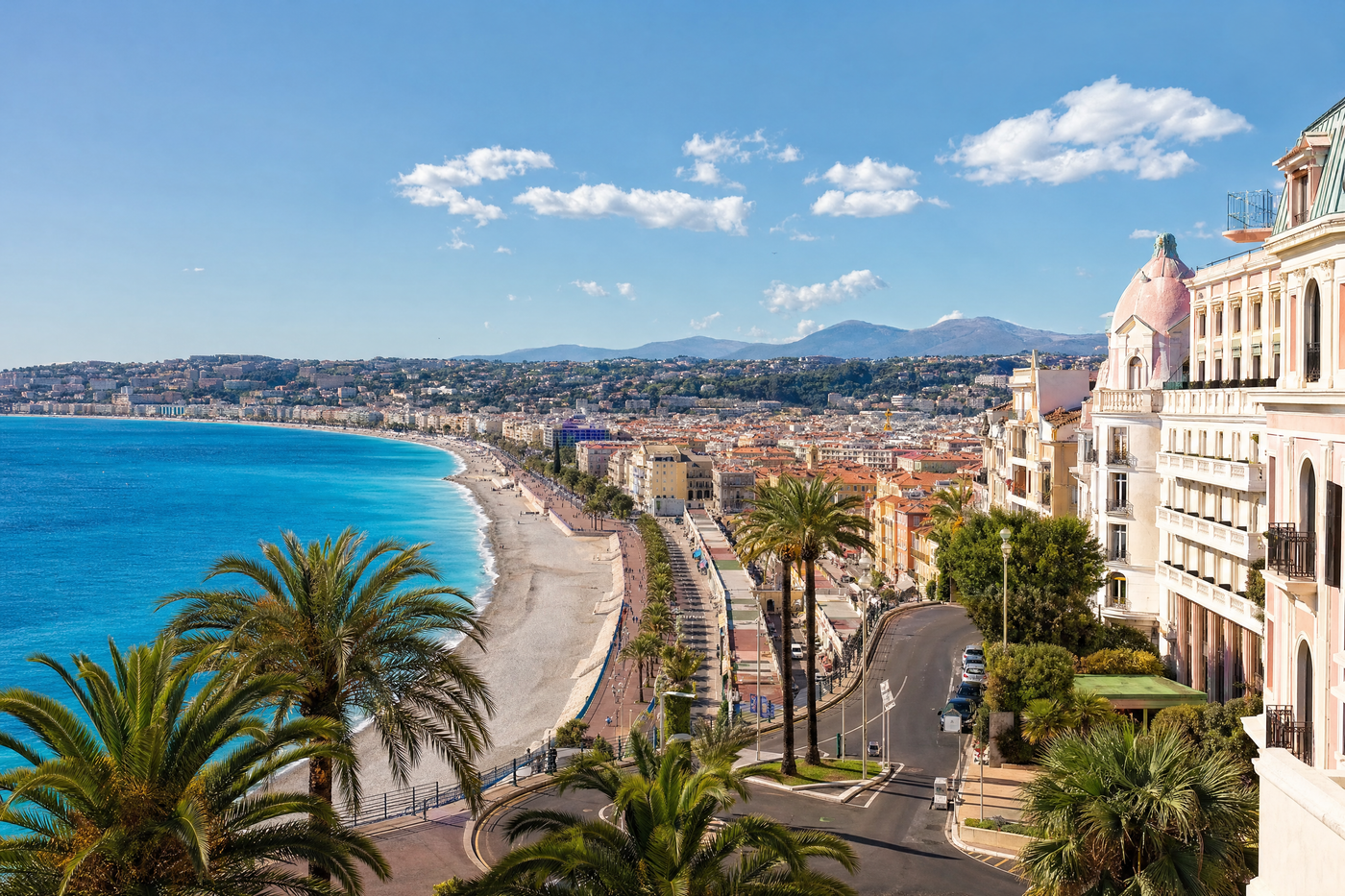
Nice’s Mediterranean charm makes it a year-round destination, but each season offers distinct weather, crowd levels, and local experiences. Read on for a detailed month-by-month guide to help you find your ideal time to visit, with packing tips and insights.
Understanding Nice’s Mediterranean climate
Nice enjoys one of Europe’s most sought-after climates, a classic Mediterranean blend of long, sunny summers and mild, short winters. With nearly 300 days of sunshine annually, it’s no wonder the French Riviera has lured travelers for centuries. However, “best” very much depends on your expectations: balmy beach days, vibrant festivals, or quieter months for museum hopping.
In Nice, summer (June-August) brings reliably hot, dry weather and a festive, bustling energy. Spring and fall tend to be mild and breezy, while winter is tranquil and cool. Rainfall peaks in October and November, but even then, clear spells are common. This climate profile makes timing your trip pivotal for everything from planning seaside picnics to snapping Old Town photos minus the crowds.

Your trip deserves fewer tabs.
Start planning your tripMonthly overview: what to expect throughout the year
- January–February: Quiet, mild winters, with few tourists and lower prices. Daytime highs reach 12–15°C (54–59°F).
- March–April: Early spring brings warming temps, blooming gardens, and rising visitor numbers.
- May–June: Sunny, lively, and ideal for outdoor cafés and markets. Beaches become inviting but not yet crowded.
- July–August: Hot, vibrant peak season. The city is at its liveliest, with festivals and packed beaches.
- September–October: Delightful, cooling down, with golden light and grape harvests. Some rain possible.
- November–December: Relaxed and cozy, with festive décor, minimal crowds, and unpredictable weather.
This seasonal rhythm shapes everything: local events, open hours, and the feel of daily life. Whether you’re after sunshine or serenity, there’s a month for you in Nice.
Summer in Nice: sunshine and seaside vibrancy
The French Riviera’s high summer, spanning July and August, is the busiest and hottest time of year. Daytime temperatures average 27–30°C (81–86°F), with infrequent rainfall and plenty of daylight for late-night strolls.
Beaches—from the famous Promenade des Anglais to tucked-away coves—buzz with life. Expect crowds at must-see sites like Castle Hill and cours Saleya, and lively evenings as locals and visitors gather at open-air bars or open-air cinemas. The Nice Jazz Festival in July is a particular highlight.
On the downside, hotel rates and flight prices soar, and attractions can be crowded. For some, however, this energetic atmosphere epitomizes the city’s Mediterranean magic. If you travel in peak summer, book accommodations well in advance and opt for early-morning sightseeing to beat the midday heat.
Spring delights: blooming gardens and cultural events
Spring, especially April to early June, is an excellent time to visit Nice. The city begins to awaken from winter, with parks and gardens—like Jardin Albert 1er or the famed Parc Phoenix—coming to life with color.
Temperatures climb steadily from 14°C (57°F) in March to around 23°C (73°F) in June. Rain showers are sporadic and brief, and the sea, while still brisk in early spring, gradually warms by late May. Outdoor terraces fill up, open-air art exhibits return, and the city hosts several cultural events like the Printemps des Musées or the Nice Half Marathon.
Crowds begin to increase, but without the intensity of summer. You’ll find a pleasant blend of liveliness and easy sightseeing, along with reasonable hotel rates—making spring a favorite for many return visitors.
Autumn in Nice: golden light and local harvests
September and October are among the Riviera’s hidden gems. The sea retains much of summer’s warmth, making early autumn ideal for swimming and coastal walks. Average highs rest comfortably between 20–25°C (68–77°F), but evenings become crisp.
Crowd levels dip noticeably after the August rush, allowing for more relaxed visits to markets or museums. You’ll catch the grape harvest in Provence’s nearby wine country and can sample local olive oils and seasonal produce. Autumn also hosts smaller-scale festivals and art fairs celebrating regional culture.
Do pack a light raincoat, as October marks the start of the wetter season. Still, sunny days are plentiful well into November, providing a quieter, locally focused atmosphere.

Turn your travel ideas into a plan.
Start planning your tripWinter: tranquil beauty and festive charm
Winter, from December to February, offers a markedly different Nice, stripped of crowds and heat. Temperatures hover around 13°C (55°F) by day, with cooler evenings dipping to 5°C (41°F). Snow is almost unheard of, though frost is possible inland.
This is the best season for leisurely museum visits and sampling hearty Niçois cuisine in uncrowded bistros. The Promenade is peaceful, and hotel bargains are common, aside from festive spikes during Christmas and Carnival.
Nice lights up with seasonal markets, concerts, and the famous Nice Carnival (usually in February), a riot of color and creativity. While some attractions may have shorter hours, winter’s clear, sunny intervals lend a distinctive, cozy atmosphere.
Weather patterns: temperature, rainfall and sunshine
- Temperature: Summers are hot (averaging 27–30°C/81–86°F), while winters remain mild (12–15°C/54–59°F). Spring and fall sit in between, with daily highs ranging from 15–25°C (59–77°F).
- Rainfall: The driest months are June to August. October and November see the most rain (monthly averages of 100–130 mm/4–5 inches), often in short, intense bursts.
- Sunshine: Nice boasts up to 11 hours of sunlight per day in July and August, and even winter delivers up to 5–6 hours of sun daily.
Humidity is rarely oppressive. Cooling sea breezes are common, although gustier winds can occur in spring and autumn. Staying informed about the daily ‘mistral’ forecast is worthwhile, as these winds can make the city feel chillier than the mercury reads.
Crowd levels: peak, shoulder and off-season dynamics
Understanding Nice’s visitor patterns is crucial for finding your travel sweet spot. The city sees its greatest influx of tourists in July and August, with beaches, museums, and Old Town bustling. Popular sights may require advance reservations, and local life shifts to accommodate the seasonal rush.
The shoulder seasons—spring (April to mid-June) and autumn (September to October)—offer a gentler pace. You’ll share the city with fewer tourists but without any sense of isolation: restaurants and attractions hum with pleasant energy, and public transport remains frequent and easy to navigate.
Winter, excepting Christmas and Carnival, delivers near-empty attractions and tranquility. The sea is too cold for swimming, but walkers and photographers appreciate the clarity and light that winter brings. These months are ideal for visitors seeking authenticity and a slower rhythm, with locals reclaiming popular promenades and cafés.
Price seasonality: what affects costs in Nice
Nice’s pricing largely follows demand. July and August see rates—especially for hotels and flights—reach annual highs. Bookings for popular hotels and experiences should be made months in advance if traveling at this time. Restaurants may add seasonal surcharges, and day-trip tours often fill up quickly.
Spring and early autumn present value opportunities: prices relax somewhat, and plenty of mid-range and boutique accommodations are available. You’ll also avoid the summer crush at attractions—saving time and, sometimes, entrance fees through online bookings or city passes.
Winter is the clear winner for budget-conscious travelers. Many hotels drop rates significantly, with restaurants and cafes offering fixed-price lunch menus designed for locals and business visitors. Note that a few beachfront clubs and seasonal attractions may close, but overall, winter travel means your euros stretch further.
Packing notes by season
- Summer: Lightweight, breathable fabrics, swimwear, a sunhat, sunglasses, and strong sunscreen. Pack a light scarf or coverup for evenings and modesty at religious sites.
- Spring/Autumn: Layerable clothing; think a light waterproof jacket, warm jumper for evenings, and comfortable shoes for urban rambles. An umbrella is handy in case of showers, especially in October.
- Winter: Medium-weight jacket or coat, closed shoes, and a mix of sweaters and long-sleeve shirts. A scarf and gloves are welcome for winds, but heavy coats are rarely needed.
Nicois style leans chic but casual: comfortable walking shoes—especially on cobbled Old Town streets—are a must year-round.
Fitting local events and holidays into your trip
Strategically timing your visit around Nice’s event calendar can enhance your experience or, if not considered, complicate logistics. During major festivals—the Nice Carnival (February/March), the Jazz Festival (July), and Bastille Day (July 14th)—the city’s spirit is infectious, but accommodation fills up fast and local streets can be crowded or closed for parades.
Easter, May Day (Labor Day, May 1), and Christmas/New Year see partial closures and altered public transport schedules. Spring and autumn also host food and art festivals celebrating Provençal culture, and summer means open-air concerts and fireworks over the Baie des Anges.
If you value local color and don’t mind crowds, make room in your plans for festival days. If you prefer ease, book outside these dates. Consult the official city calendar before booking to sync your trip with your priorities.
Choosing your best time: tailored itineraries by traveler type
- Sun-seekers and beach lovers: July–early September offers the warmest weather and lively energy. Book well ahead for prime positions.
- Culture and food enthusiasts: Late spring (May–June) and early fall (September–October) balance festivals, harvest markets, and pleasant touring conditions.
- Peace-seekers and budget travelers: November–March supplies low prices and crowd-free streets, perfect for museums and winter menus.
- Outdoor enthusiasts: April–June and September are best for hiking, cycling, and day trips inland, with moderate temperatures and wildflower blooms.
Ultimately, the best time to visit Nice hinges on your perfect blend of weather, budget, and local color. Each season shapes the city’s rhythm—so choose dates that match your priorities and you’ll find Nice’s famously sunny outlook, whenever you arrive.