Best time to visit Muscat: weather, crowds and seasonal travel tips
 By Maya Rivers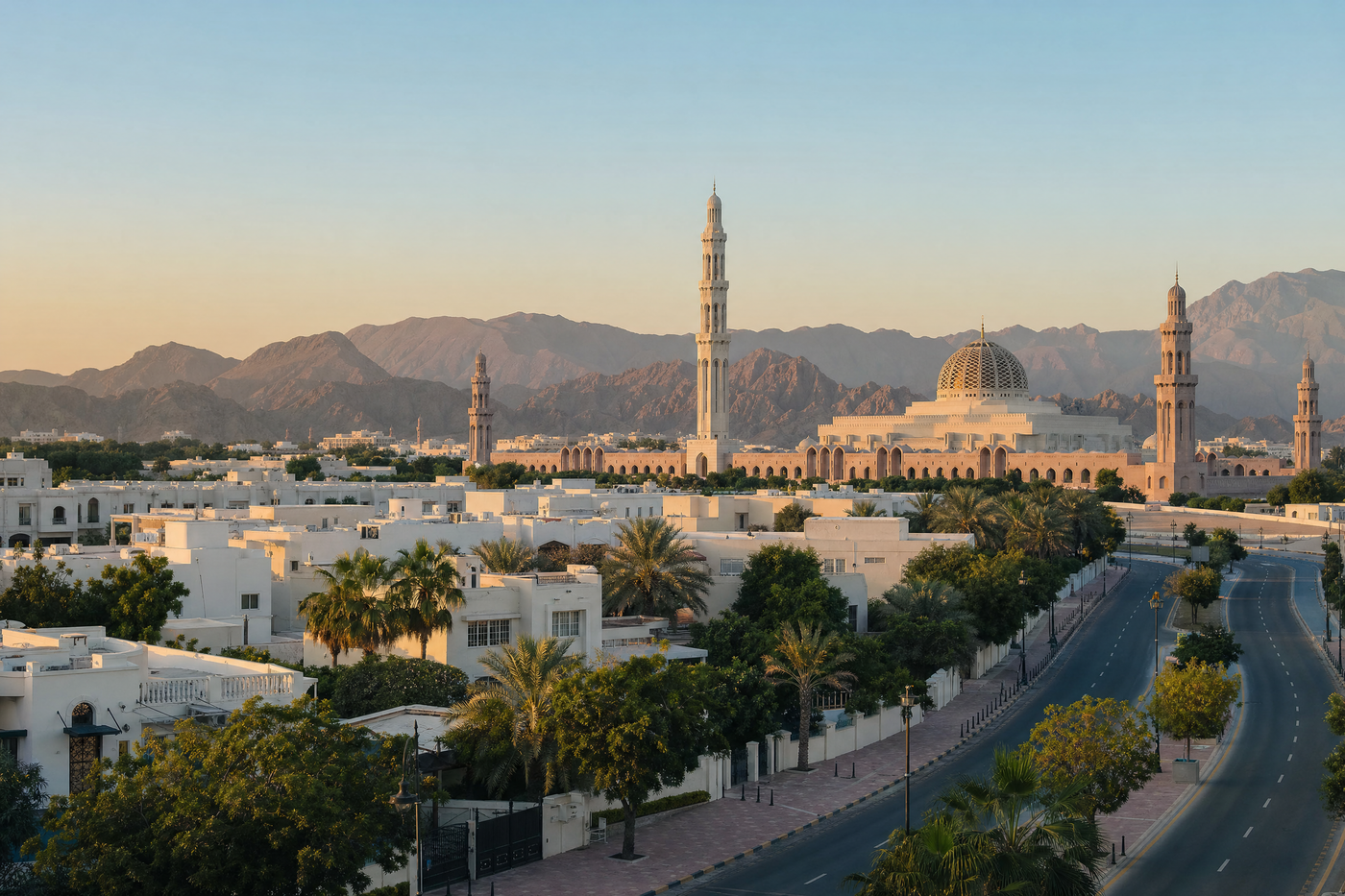
Planning a trip to Muscat? Discover which months offer the nicest weather, lowest crowds, and best prices, with an expert breakdown of climate, events, and what to pack for every season in Oman’s compelling capital.
Why timing matters in Muscat
Choosing when to visit Muscat dramatically impacts your travel experience. The city's dramatic mountains and sparkling shores are tempting year-round, but Oman’s climate varies sharply each season. Temperatures, crowd levels, and prices can be worlds apart between July and January. Whether you want beach days, cultural exploration, or a quiet off-peak visit, careful timing ensures your trip is comfortable and rewarding.
This guide dives into Muscat’s monthly conditions, weather patterns, event calendars, and practical packing suggestions. You'll find a comprehensive overview to help you select the best dates for your interests and preferences—not just what looks good in photos, but what will genuinely feel comfortable and special when you get there.

Your trip deserves fewer tabs.
Start planning your tripOverview: Muscat’s seasons at a glance
Muscat experiences three broad travel periods: the cool, peak winter (November–March), a short, very hot summer (May–September), and the transitional shoulder seasons (April and October). Each brings its own blend of advantages and trade-offs for travelers.
- Winter (Nov–Mar): Mild, pleasant temperatures and low humidity. Peak visitor numbers, especially during school holidays.
- Summer (May–Sep): Very hot, with some respite only after sunset. Fewer tourists and lower prices, but limited outdoor comfort.
- Shoulder Seasons (Apr, Oct): Warmer than winter but bearable. Fewer crowds, especially outside of Eid or school breaks.
Understanding these patterns helps you balance comfort, cost, and experience in Muscat’s dynamic setting.
Monthly weather breakdown
Muscat’s weather determines much of what’s possible outdoors and indoors during your trip. Here’s how the city’s climate evolves over the calendar year:
- January–March: Daytime highs 22–28°C (72–82°F), cool nights. Occasional quick rain showers. Ideal for urban walking, hiking, beaches, and festivals.
- April: Quickly warming up, highs around 33°C (92°F), nights remain pleasant. Hotter toward the end of the month.
- May–September: Extreme heat, daily highs often exceeding 38°C (100°F), warm nights, some humidity. Outdoor sightseeing is challenging midday.
- October: Cooling down, highs fall back to 33°C (92°F) early in the month, becoming more comfortable by month’s end.
- November–December: Back to mild—26–30°C (79–86°F) daytime, pleasant evenings.
Remember, coastal breezes help, but strong sun exposure requires preparation regardless of the season.
Muscat’s busy and quiet months
Crowd levels in Muscat fluctuate with both the weather and the international calendar. Winter months draw most visitors due to the inviting climate, especially December through February, aligning with European and Asian holidays. Hotels, museums, and popular attractions can be noticeably busier, and advance bookings are recommended.
In the hot summer (late May–September), the city feels markedly quieter. Many expats leave on extended vacations, and souqs and shops may operate reduced hours. Major sights remain open, but you’ll find smaller tour groups and emptier public spaces. Shoulder month crowds are balanced—still active, but not overwhelming.
During Eid or Omani public holidays, even off-peak months can bring local surges to beaches and resorts. Check the lunar calendar, as holidays adjust yearly.
Price seasonality: what to expect
Just like the weather, prices in Muscat swing with the seasons. The high season, from about November through March, sees the highest rates on hotels, especially at beachfront resorts or internationally branded properties. Flight fares may also be higher due to increased demand.
As temperatures climb in April and especially after May, significant discounts emerge. Budget-conscious travelers benefit from off-peak deals, as hotels seek to fill rooms. Restaurants may run summertime specials, and activity providers often lower prices significantly. However, check if experiences you're planning (like desert excursions or boat trips) adjust their schedules or offerings.
If traveling during local public holidays (such as Eid), expect brief price spikes or premium bookings on coastal retreats and city hotels, driven by Omani and regional tourism.

Turn your travel ideas into a plan.
Start planning your tripWinter in Muscat: November to March
Muscat truly comes alive between November and the end of March. Average highs sit comfortably between 25–29°C (77–84°F), and evenings are cool—ideal for open-air dining, souq wandering, or a concert under the stars. This season boasts the full range of outdoor activities, from hiking the Hajar Mountains to dolphin-watching cruises or exploring wadis and forts. Expect a steady flow of international visitors and upbeat local energy.
Local festivals, including Muscat Festival (sometimes in January or February), showcase cultural performances, food stalls, and craft markets. Booking hotels well in advance is highly recommended to secure choice locations and rates.
Pack lightweight clothing, a warmer evening layer, and sun protection—Muscat’s winter days remain bright and sunny.
Spring shoulder: April
April is a brief but rewarding time to visit Muscat. While daily highs reach 33°C (92°F) by mid-month, humidity is still moderate. The city has fewer international tourists, so there’s extra breathing room in museums and markets. Hotels may reduce rates or include extras like free breakfasts and upgrades.
Outdoor activities are still manageable in the first half of the month—mornings are especially enjoyable on the coast or in the hills. By late April, plan sightseeing early or in the late afternoon to avoid the midday heat.
For packing, lightweight cotton or linen clothing, a wide-brimmed hat, and a refillable water bottle are essentials. Sandals and sturdy walking shoes will serve you well for both city streets and nature trails.
Peak summer: May to September
Omani summer demands flexibility and a sense of adventure. From May onward, temperatures spike above 38°C (100°F) and sometimes approach 45°C (113°F) in July and August. Humidity peaks closer to the coast. The cityscape glows under fierce sun, and most sightseeing shifts to mornings and evenings.
This period is best for travelers who prize privacy and value. Hotels offer major bargains, and you’ll rarely find crowds at heritage sites, malls, or the iconic Sultan Qaboos Grand Mosque. Many restaurants and shopping centers are lavishly air-conditioned, providing respite and leisurely pacing.
Packing is all about comfort and heat management: opt for ultra-light, loose-fitting clothes, strong sunglasses, and high-SPF sunscreen. Always carry water and plan indoor breaks after any outdoor ventures.
Autumn shoulder: October
October marks Muscat’s gradual return to travel-friendly weather. Daily highs retreat from the high 30s°C to more manageable levels, and evenings are noticeably cooler. While some lingering humidity persists, outdoor activity resumes—especially by late October.
The city’s event calendar begins picking up again with cultural performances and exhibitions. Visitor numbers grow but don’t overwhelm. Resort deals and flight prices can still compete with summer rates, making this month a sweet spot for value seekers.
Bring airy warm-weather clothes, a light jacket for the occasional cool night, and your favorite swimwear. As always, hydration and sun safety remain priorities.
Month-by-month highlights and events
- January–February: Vibrant Muscat Festival (dates vary). Ideal weather for sightseeing, kayaking, and mountain hikes; full events calendar.
- March: City gardens and parks bloom. Fewer crowds after school holidays.
- April: Occasional Easter travel uptick, otherwise calm. Pre-summer deals begin.
- May–September: Indoor attractions, hotel perks, and spa retreats. Ramadan/Eid alter opening hours and create a festive vibe.
- October: National Day preparations. Outdoor nightlife and coastal water sports return.
- November–December: Start of the Omani racing season and open-air music events. Busiest visitor surge around Christmas/New Year’s.
Check for updated event dates as major festivals and religious holidays can shift annually according to the lunar calendar.
Packing tips for every Muscat season
- November–March: Bring breathable layers, sunhat, UV-block sunglasses, and a light jacket or scarf for evenings. Modest swimwear is welcome at beach hotels.
- April–May: Lightweight cottons/linens, closed shoes for desert trips, sunscreen, and insect repellent if visiting wadis.
- June–September: Maximum-coverage, loose, light fabrics, cooling wet towels, and a refillable bottle. Pack any specialty medication, as heat can aggravate conditions.
- October: Transitional clothing—short sleeves by day, light wrap by night. Swimsuits, sandals, and sunblock for coastal fun.
Dress modestly in public: shoulders and knees covered is the norm outside resorts or private pools. Respectful attire will ensure happier encounters everywhere you explore.
How to choose your perfect Muscat travel window
Deciding when to visit Muscat is ultimately about matching your priorities with the city’s changing rhythm. Craving lively festivals and top weather? Aim for the winter months and book early. Seeking solitude and bargains? Brave the summer heat with a smart, indoor-outdoor itinerary. Looking for a balance of value and comfort? The shoulder months in April or October deliver the best of both worlds.
If you’re a nature lover, remember that wadis and mountain tracks are often safest from December through March, after any rare rainfall. Urban explorers and foodies will relish the vibrancy of markets and street life at any time of year—just plan for shade, hydration, and local schedules. There’s no wrong time for Muscat, only a right moment for your style of adventure.