Best time to visit Mexico City: weather, crowds and seasonal travel tips
 By Maya Rivers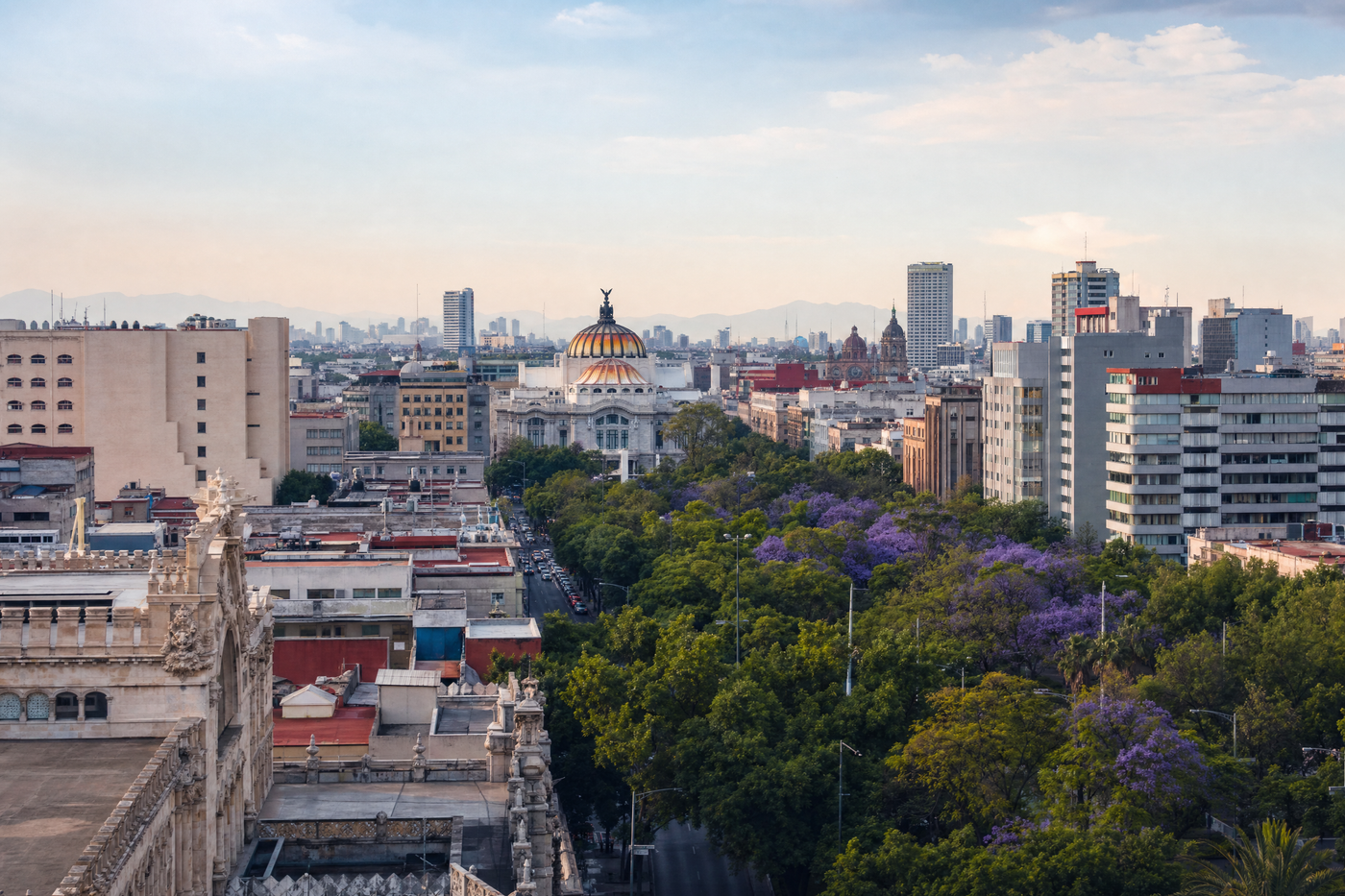
Mexico City’s distinctive high-altitude climate, broad cultural calendar and shifting visitor crowd levels make the timing of your visit especially important. This comprehensive guide will help you plan your trip around the weather, price fluctuations and crowd dynamics—plus packing tips and local insights for every season.
Understanding Mexico City's seasons
Mexico City sits at an altitude of over 2,200 meters (7,200 feet), which moderates its climate compared to many other Mexican destinations. While the city isn’t hot year-round, its seasons are far less pronounced than in higher-latitude destinations. Instead, Mexico City's rhythm is shaped by its unique mix of dry and wet periods, temperature swings, and a steady procession of local festivals.
The primary distinction is between the dry season (November through April) and the wet season (May through October). Temperatures are generally mild, but locals and savvy travelers know to expect sharp differences between cool mornings and warm afternoons throughout the year.
Understanding these patterns, as well as when crowds and prices peak, can help you pinpoint the sweet spot for your Mexico City experience, whether you're seeking blue skies, cultural happenings or the best hotel deals.

Your trip deserves fewer tabs.
Start planning your tripMonthly overview at a glance
- January–February: Cool, dry and bright; relatively light crowds after New Year’s.
- March–April: Dry, increasingly warm; popular with travelers during spring break and Semana Santa (Holy Week).
- May: Warm, first rain showers; moderate crowds as locals anticipate summer.
- June–August: Rainy season, lush parks; summer visitors, especially from nearby countries.
- September–October: Rains taper off; smaller crowds, except for late October's Dia de Muertos build-up.
- November–December: Dry, festive, and busy due to Day of the Dead and holiday travel.
This cycle affects not only the weather, but also how busy attractions get and how much you’ll pay for flights and hotels. Aim for the shoulder months if you want a balance of fair weather, value, and manageable crowds.
Dry season: November to April
Mexico City’s dry season is a favorite for many first-time and repeat visitors. Days are sunny, rain is rare, and evenings are crisp. November marks the transition, with Day of the Dead celebrations bringing colorful altars and parades. December and January are the coolest months, with average lows dipping to 6°C (43°F) but daytime highs often reaching 21°C (70°F).
The city’s parks are alive, and pollution levels tend to be lower as the air remains clear. Some travel costs rise in late December due to Mexican holiday travel and international visitors escaping colder climates. Early spring months (March and April) bring blooming jacarandas, pleasant weather, and more festival activity, especially during Semana Santa when locals take vacations and some businesses close for the week.
This is also the high season for tourism, so expect higher rates and fuller museums, especially on weekends.
Wet season: May to October
From mid-May to late October, Mexico City experiences near-daily afternoon rains, which intensify in June, July, and August. Showers typically roll in after 4pm and clear by early evening, allowing for dry mornings and late nights out. Temperatures remain comfortable—average highs reach 23°C (73°F) and lows rarely dip below 12°C (54°F).
The rain brings green parks and gardens, creating a refreshing contrast to the city’s urban sprawl. Travelers during this season benefit from thinner crowds (except for the July–August summer break) and often enjoy lower hotel prices. Take note, though: flooding and traffic delays can occasionally disrupt plans, particularly in late summer.
Major festivals are fewer, but many museums, restaurants, and cultural centers host special events indoors, offering cozy escapes from the drizzle.
When are the crowds heaviest?
Mexico City is never quiet, but crowd intensity fluctuates throughout the year. Key high-travel times include:
- Late December and early January (Christmas and New Year’s holidays)
- Semana Santa (the week before Easter, often late March or April)
- Summer break (late July–August, skewing younger as local families travel)
- Day of the Dead (late October–early November, especially around UNESCO-listed events and central squares)
During these periods, expect packed museums and parks, busier public transit, and higher lodging prices. If tranquility is a priority, aim for February, early May, or late September, when the city feels more relaxed and museums are less crowded.

Turn your travel ideas into a plan.
Start planning your tripPrice trends by season
Accommodation and flight prices in Mexico City swing with the international and local holiday calendar. The most expensive periods are Christmas to New Year’s, Easter Week (Semana Santa), and the last week of October into early November. Hotels—especially in the historic center and trendy neighborhoods like Roma and Condesa—often book out far in advance and rates may double.
Shoulder months—February, early May, and late September—generally offer better value and more room to negotiate on rates, sometimes with added perks like breakfast or late checkout. The rainy season (June–September) brings additional discounts, occasionally up to 20% off high-season rates.
Airfares follow similar patterns, with significant increases linked to local celebrations, school vacations, and major convention weeks. Set price alerts and book ahead to lock in deals, especially if your visit overlaps with a major holiday.
Monthly breakdown: weather, crowds, and events
- January: Cool and dry, post-holiday calm, excellent for museums and walking tours.
- February: Still dry but slightly warmer, some offbeat festivals; one of the least crowded months.
- March: Warm, festival season getting underway; less rain but busier as spring travel builds.
- April: Peak for jacaranda blooms and major religious festivals; hiking and parks are prime, but some closures during Semana Santa.
- May: Early showers, mild temps, and a quieter vibe; ideal for foodies as markets brim with spring produce.
- June: Start of heavier rains, but lush scenery and cultural events indoors; good hotel deals.
- July–August: Wettest period, popular with family travelers; theater, markets, and food fairs flourish.
- September: Rains ease, Independence Day brings parades and parties; a good mix of value and excitement.
- October: Dryer, prepping for Day of the Dead; vibrant art installations and culinary events abound.
- November: Clear, festive, and busy with Day of the Dead plus the start of the holiday season.
- December: Crisp and clear, lively holiday markets and parties; crowds surge late in the month.
Every month has its charms, so matching your interests to the city’s seasonal mood is key.
Packing tips for Mexico City seasons
The city’s high altitude means layering is essential in any season. Start with a t-shirt or blouse, add a sweater or light fleece, and bring a removable jacket or windbreaker for cool evenings. In the dry months, sunglasses and sunscreen are crucial—the sun is deceptively intense.
For the rainy season, include a compact umbrella or foldable rain jacket—downpours often surprise even locals. Waterproof footwear is advisable if you're navigating cobblestone streets or public parks. Regardless of time of year, comfortable walking shoes are a must for covering the city’s vast neighborhoods.
If you’re sensitive to pollution or pollen, consider a mask or scarf, especially in the dry season when air quality can dip. And don’t forget a hat or cap for sun protection, particularly if your plans include wandering local markets or archaeological sites.
How altitude affects your visit
Mexico City’s elevation over 2,200 meters (7,200 feet) can affect visitors in subtle but important ways. Air is thinner, which means that even mild exertion—walking up hills, climbing museum stairs, or cycling in Chapultepec Park—can feel a bit more taxing than at sea level, especially within your first couple days.
Hydration is key throughout the year. Even when it’s cloudy or drizzly, use sunscreen: UV exposure is strong at altitude. Some visitors notice mild symptoms of altitude adjustment: headache, shortness of breath, or trouble sleeping. These usually pass quickly as your body acclimates.
If you have respiratory sensitivities, check the city’s air quality index before major outings, particularly in the dry winter months and right after rain breaks.
Insider events and local culture by season
Beyond the city’s big headline festivals, each season offers local traditions, neighborhood fairs, and ephemeral happenings. From late winter through early spring, jacaranda trees tint the boulevards violet, while open-air cultural festivals animate plazas. The rainy season is ideal for catching indoor experiences—think world-class concerts or browsing the surreal murals in city hall without crowds.
September’s Independence Day (Grito de Dolores, September 15–16) fills the streets with fireworks, processions, and late-night food markets. In late October and early November, Day of the Dead transforms entire neighborhoods with altars, marigolds, and candlelit parades—book anything for this period well in advance.
December is rich with posadas (traditional processions), Christmas markets, and festive pop-up food stalls, making it a vibrant month for cultural immersion beyond the main tourist attractions.
Practical travel tips: getting around and staying safe
Public transit is reliable and affordable year-round. Rainy season visitors should add extra time for unexpected delays, as traffic can snarl after storms and some subway entrances may be slick or briefly flooded. In the dry months, air quality can sometimes dip, particularly in February and March—an opportunity to plan indoor mornings and outdoor afternoons when pollution often improves.
Regardless of season, avoid walking in unfamiliar areas after dark. Stick to well-lit neighborhoods, especially if exploring nightlife districts like Condesa or Polanco. Taxis and rideshare apps are plentiful; opt for authorized units called "sitios" rather than hailing off the street to avoid scams or unofficial operators.
Crime against travelers is relatively rare in central zones, but keep your valuables secure and be aware at ATMs and in markets. The city’s year-round lively energy is a draw, but its urban sprawl means you’ll want to plan routes in advance and check the weather before longer outings.
Summary: when should you book your Mexico City trip?
If you crave celebrating alongside locals during major holidays, enjoy bustling markets and parades, and don’t mind crowds or higher prices, plan around late October–early November for Day of the Dead or December for the Christmas festivities. If mild weather and more relaxed sightseeing are your priorities, late winter or early spring (February to April) is ideal, with blooming parks and manageable crowds.
For those seeking value and tranquility—plus a lush, green cityscape—May or September offers fewer travelers and lower costs with only sporadic showers. Just remember to book lodging in advance when visiting during major local events, and always pack layers, so you’re ready for the high-altitude swings the city is famous for.
Ultimately, Mexico City rewards travelers year-round. With this seasonal breakdown, you can confidently match your trip with the energy, experiences, and price point that best suit you, making memories in one of Latin America’s most multifaceted cities.