Best time to visit Menorca: weather, crowds and seasonal travel tips
 By Maya Rivers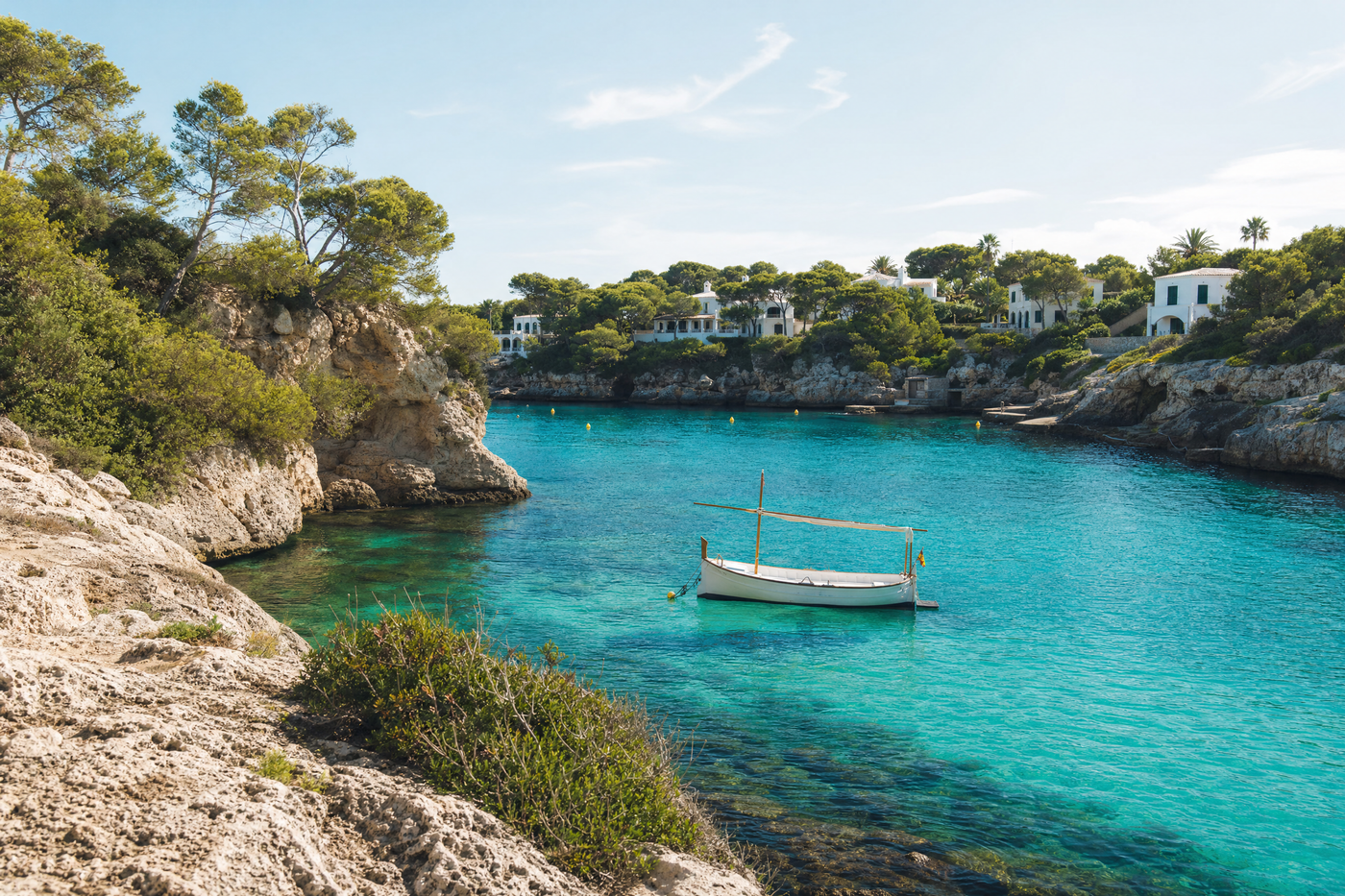
Trying to pick the best time to visit Menorca? Use this in-depth seasonal guide to plan around weather, crowds, and price changes. Discover when the island's beaches, towns, and nature trails are at their best, with month-by-month tips—plus info on what to pack and how to beat the crowds.
Menorca at a glance: why timing matters
Choosing when to visit Menorca means balancing sunshine with space, and weighing up activities against price tags. Unlike its busier Balearic neighbors, Menorca is cherished for its calm coves, pine-scented trails, and slow tempo. Yet, seasonality here is distinct—weather swings from brisk in winter to balmy in summer, and the population multiplies when schools are out. Understanding the patterns pays off whether you’re seeking secluded beaches or authentic fiestas.
From spring wildflowers to autumn fiestas, the island’s vibe shifts noticeably over the months. For each season, the interplay between crowds, prices, and weather can mean very different holiday experiences. This guide focuses on making your planning easier—a detailed, month-by-month breakdown, packing ideas, and tips for making the most of Menorca’s unique annual rhythm.

Your trip deserves fewer tabs.
Start planning your tripWeather patterns: what to expect each season
Menorca enjoys a classic Mediterranean climate, marked by warm summers, mild springs and autumns, and cooler, damp winters. Summer (late June through August) brings long, dry days with highs often between 28°C and 32°C (82-90°F), ideal for sunbathing and swimming. Spring (March to May) often features pleasant highs of 17–23°C (63–73°F) and lower humidity, making it perfect for hiking and cycling.
Autumn (September to November) remains warm, with September still feeling summery, while October brings slightly more rain and cooling evenings. Winter (December to February) is cooler and quieter, with temperatures rarely dipping below 8°C (46°F) by day, though wind and occasional rain can make it feel chillier. Understanding these weather shifts will help you match your visit to your favorite outdoor activities and comfort level.
Peak season: summer’s sun and its trade-offs
Late June to early September is high season in Menorca, coinciding with school holidays in Spain, the UK, and the rest of Europe. The weather is reliably hot and rain is rare, making this perfect beach weather. The Mediterranean is at its warmest by August, and the island’s al fresco dining scene buzzes well into the night.
This period brings the highest prices for flights, hotels, and car rentals—often by as much as 50% above spring or late autumn. Beaches and beauty spots fill up by midday. While there’s a festive, lively atmosphere, you’ll need to book accommodation well in advance and, for the most popular restaurants and activities, reserve ahead. If you crave energy and endless daylight, summer is your window—but don’t expect solitude.
Shoulder season: spring’s blossoms and autumn’s warmth
April to June and September to early November are the “shoulder” months, offering a sweet spot for many travelers. Spring sees the countryside awash with wildflowers and green meadows, and trails are at their most inviting before mid-June’s heat. Hotels and flights are moderately priced, and it’s much easier to find that perfect cove (cala) all to yourself.
Autumn extends the swimming season, with sea temperatures remaining pleasant through September and even early October. Harvest festivals and wine events sprinkle the calendar, plus Fiestas de Sant Joan in late June (though busy) and autumn harvest festivals bring cultural highlights without the major crowds of midsummer.
The occasional rain shower or cooler evening is a small trade-off for breathing room and better deals.
The quiet charm of low season
Late November to March is considered low season. Menorca’s villages breathe a different rhythm, wild beaches are tranquil, and nature lovers can spot migratory birds. Winter temperatures rarely get uncomfortably cold, but you’ll need a sweater and rain layer for blustery days. The dramatic north coast, with its beautiful walking trails, is at its wildest—and most peaceful.
Much of Menorca’s tourism infrastructure pauses during these months. Many seaside restaurants and hotels close, and car rental options can be limited. However, Ciutadella, Mahón, and a handful of inland towns remain interesting, with local markets and cozy cafes making up for quieter beaches. For those who value serenity, photography, or storm-watching, low season can be magical—just come prepared for slower rhythms and potential closures.

Turn your travel ideas into a plan.
Start planning your tripMonth-by-month overview: Menorca through the year
- January & February: The coldest, windiest months. Some days drop below 10°C (50°F). Ideal for hiking, birdwatching, and seeing the island without tourists. Many restaurants and hotels are closed; shop in local markets.
- March: Still quiet, but wildflower carpets start to emerge. Expect highs around 16°C (61°F). A good month for rural stays and inland exploration.
- April: Spring is in full swing. Average highs hit 18°C (64°F). Cafés reopen, and the countryside is lush. Easter brings some local festivals. Water still cool for swimming but hiking is perfect.
- May: Warmer days, longer daylight, and calm seas. Great for kayaking and cycling. Early in the month, there’s still peace before pre-summer crowds arrive.
- June: Early June is ideal: long sunny days, pleasant sea, and moderate crowds. Late June brings the vibrant Sant Joan festival in Ciutadella, a must see but expect crowds.
- July & August: Hot and lively. All businesses and beach facilities are in full swing; the sea is at its warmest. Book everything in advance.
- September: Still summery, but with fewer visitors. Warm sea and mellow evenings perfect for sunset swims and outdoor dining. Local grape harvests begin.
- October: Pleasantly warm at the start, with some rain later in the month. Peaceful beaches and lower prices. Some places start to close at month’s end.
- November & December: Quiet and cool. The island’s pace slows; ideal for windsurfing, walking, or cultural trips to Mahón and Ciutadella. Winter menus showcase local produce.
This cycle means each visit offers something different depending on your interests.
Crowds: when to expect company or solitude
Menorca’s crowds ebb and flow with the calendar. July and August are the busiest, with families flocking to the beaches and nightly promenades along harbors like Mahón while charming spots like Binibeca Vell brim with selfie-seekers. Evening parking can be a challenge near popular restaurants and beaches in high summer.
The shoulder months, especially May, early June, late September, and early October, offer far more relaxed sightseeing. You’ll find space to spread out at most calas and on country trails, and table reservations aren’t required far in advance. Even in winter, expect locals more than tourists—solitude is the rule, not the exception. Early birds and visitors willing to explore off the beaten path will always find peaceful corners, even in the height of summer.
Price seasonality: how costs swing through the year
Travelers should be prepared for significant price fluctuations depending on the time of year. High season means the most expensive airfares and accommodation, with hotels and vacation rentals sometimes charging double or more than in off-peak months. Car rentals and popular activities like guided kayaking or sailing excursions are similarly subject to surcharges.
- Best value: April, May, late September, late October
- Premium prices: late June through August (especially mid-July to late August)
- Lowest prices: December through March (but with reduced services)
For travelers on a budget—or just keen to get more for their money—visiting during the shoulder months provides nearly all the perks of summer without the premium rates, plus better availability for accommodations and flights. For last-minute deals in winter, flexibility is your friend, but do check what’s actually open before booking.
Packing tips: what to bring and what to leave
- Spring & autumn: Pack layers—think T-shirts, long-sleeves, windbreakers, and a lightweight raincoat. Comfortable walking or hiking shoes are essential for the Camí de Cavalls and exploring rustic paths. A swimsuit comes in handy from mid-May onwards.
- Summer: Opt for light, breathable fabrics, sun hat, sunglasses, and high-SPF sunscreen. Beach shoes protect against pebbly coves. An evening layer is rarely needed, but insect repellent helps for dusk. Reusable water bottles are a must.
- Winter: Add a warm fleece, heavier shoes or boots, and waterproofs. Indoor spaces can be chilly, so consider a sweater even for restaurants and bars. Bring reading material or games for cozy evenings.
Year-round, a compact daypack, power adapter (Europlug), and waterproof phone pouch for sudden rain or kayaking will smooth your travels.
Events and special occasions in Menorca
Menorca’s calendar is dotted with unique celebrations that can add vibrancy (and sometimes bigger crowds) to your trip. The extravaganza of Fiestas de Sant Joan (June 23-25) in Ciutadella features parading horses and fireworks—magical, but chaotic. Harvest time in September and October brings local wine and food festivals, offering a delicious taste of the island’s terroir.
Easter sees local parades and religious observances. In winter, smaller festivals such as the Carnival offer insight into the island’s quieter side with local music and food. Planning your travel to align (or avoid) these events can add another layer to your Menorca experience—just be sure to check dates and book far in advance if visiting during festival periods.
Off-the-beaten-path travel: secret seasons and lesser-known joys
Outside of high summer, Menorca invites more authentic exploration. In spring, rural cheese dairies open to visitors and fields hum with birdlife, providing a quieter and more local experience than the busy southern beaches. Autumn marks olive and grape harvests, with rustic markets in towns like Alaior and Ferreries offering artisanal products tourists rarely see in summer.
Winter’s windswept beaches and silent Talayotic ruins are striking for solitude seekers and photographers. Even the well-known Camí de Cavalls trail takes on a different character in cooler months, with dramatic clouds and undisturbed wildlife. Visiting outside the main tourist pulse yields enriching encounters and a sense of the island’s old rhythms—which is, for many, Menorca’s true magic.
Summary: matching your visit to your style
Whether you crave the sunshine and bustle of midsummer or the quiet immersion of a November morning, Menorca offers a season for every traveler. For warm seas and buzz, aim for late June through early September—but book well ahead. For moderate prices, wildflowers, and authentic local life, visit in spring or autumn. If silence and slow travel top your list, the island’s wintry months can be unexpectedly rewarding.
Menorca’s weather, crowd patterns, and costs follow a steady rhythm, rewarding a little forward planning. Use this guide to tailor your timing, pack thoughtfully, and let each season reveal a different side to this uniquely serene Balearic gem.