Best time to visit Melbourne: weather, crowds and seasonal travel tips
 By Maya Rivers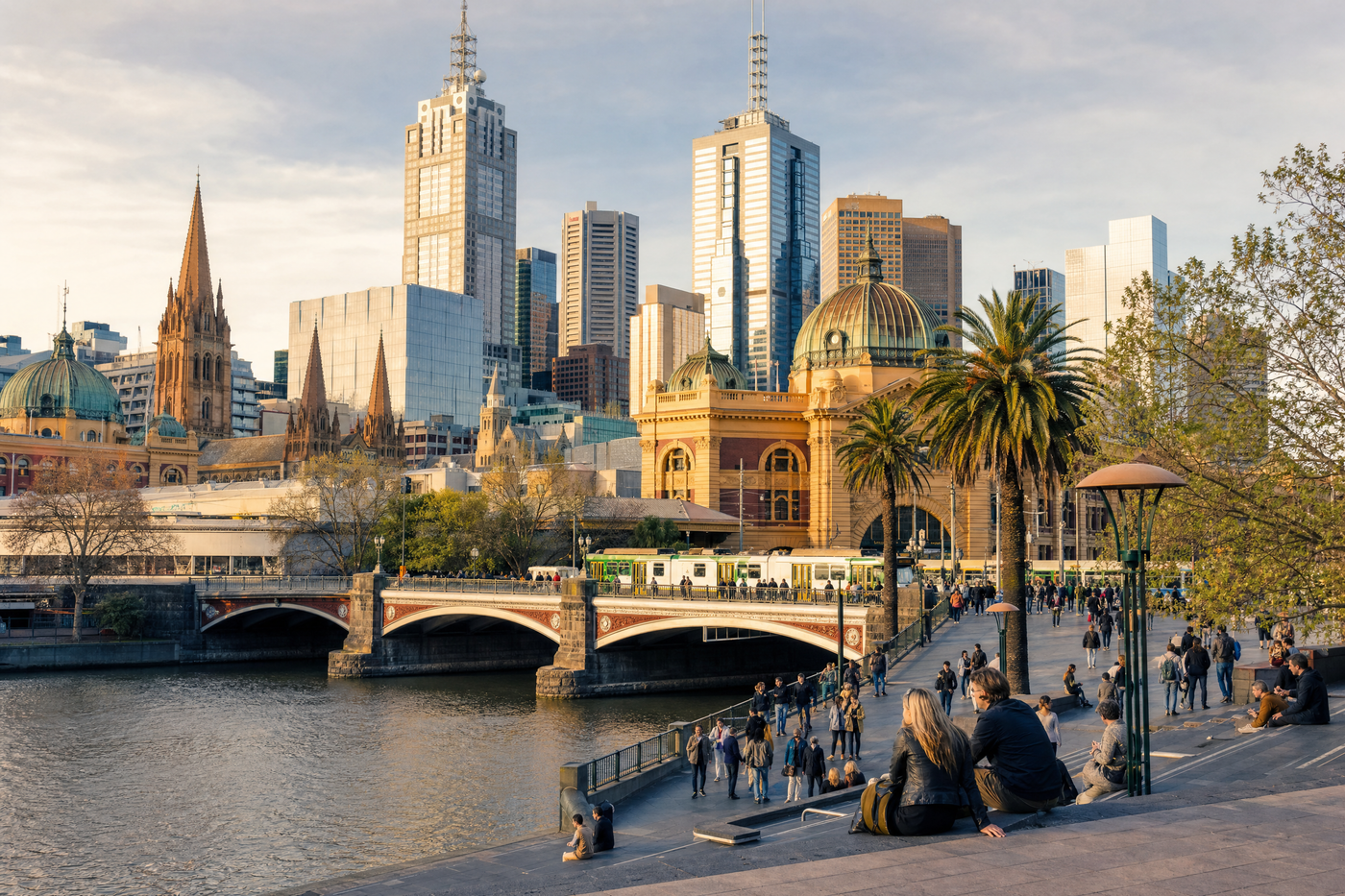
Curious when to explore Melbourne? Discover how its changing seasons affect travel plans, from weather patterns and festival calendars to crowd numbers, pricing trends, and essential packing tips for every month.
Melbourne through the seasons: an overview
Melbourne is famous for its unpredictable weather—locals joke you can experience four seasons in a single day. While this Australian city is lively year-round, your experience can vary widely depending on when you visit. Each season brings its own atmosphere, crowd levels, and unique advantages, whether you seek festival energy, peaceful gardens, or the best fare on hotels.
Understanding how temperature swings, rainfall, major events, and price fluctuations shape each month’s character is essential. With the city’s packed cultural calendar and changeable climate, choosing the right time to visit isn’t just about sunshine. Smart planning helps secure deals, avoid queues, and experience Melbourne like a local.

Your trip deserves fewer tabs.
Start planning your tripMonthly breakdown: what to expect throughout the year
- January: Peak summer with high temperatures and the Australian Open, so expect large crowds and higher costs.
- February: Still hot, less crowded post-Australian Open, ideal for outdoor events.
- March: Milder days, lingering warmth, crowds swell for Moomba Festival and Grand Prix.
- April: Early autumn, crisp evenings, beautiful foliage in city parks, fewer events, easing crowds.
- May: Chilly starts, off-peak rates, cultural attractions quieter.
- June: Winter sets in, cold and grey, lowest visitor numbers, best hotel bargains.
- July: Coldest month, perfect for art galleries and cosy cafes, still quiet and affordable.
- August: Emerging spring events, more rain but crowds stay light.
- September: Warming up, AFL finals boost local hype, busier weekends.
- October: Unpredictable weather, gardens bloom, shoulder season, moderate prices.
- November: Spring racing carnival, big jump in hotel demand, festivities citywide.
- December: Early summer, school holidays and Christmas events mean busy streets and rising prices.
Every month has its travel sweet spot, depending on your interests and tolerance for Melbourne’s dynamic climate.
Summer (December–February): vibrant festivals, hot days, and big crowds
Melbourne’s summer buzzes with energy. Days are long and sunny—average highs hover around 25–27°C (77–81°F), though occasional heatwaves bring the mercury even higher. The air can feel dry, and cooling coastal breezes sometimes offer relief. December’s festive mood shifts to January’s event-filled weeks, most famously the Australian Open tennis grand slam.
Expect large crowds, especially in city centre, Southbank, and beachside suburbs like St Kilda. Accommodation surges in price, particularly close to major events and holidays. Outdoor dining, rooftop bars, free concerts, and pop-up food markets pop up citywide, providing a festive atmosphere at every turn. Advance bookings are essential for top hotels and attractions.
If you prefer Melbourne at its liveliest and don’t mind paying a premium or navigating occasional heat, summer delivers the best in open-air festivals, sport, and seaside fun. For a calmer experience, extend your stay into late February when crowds wane, but the warm weather lingers.
Autumn (March–May): mild weather and changing colors
Autumn is a local favorite for good reason. March begins with pleasant, stable weather—highs near 22°C (72°F)—and a packed social calendar, including Moomba Festival and Formula 1 Grand Prix. The city gardens and boulevards take on rich autumnal hues in April, offering some of the prettiest walking conditions of the year.
Crowd levels decrease steadily through April and May, especially after the festival season winds down. Hotel prices begin to drop, and it’s easier to find deals on flights and guided tours. Museums, galleries, and cafés feel less hectic, and outdoor attractions like the Royal Botanic Gardens become tranquil spaces for locals and travelers alike.
This is the ideal window for those who enjoy the outdoors but want to avoid peak summertime swelling. Pack layers—cool mornings quickly turn into sunny afternoons, and a light rain jacket is handy for the occasional drizzle.
Winter (June–August): indoor culture and pleasant solitude
Melbourne’s winters are chilly but rarely extreme, with daytime highs around 13–15°C (55–59°F) and brisk evenings. Rainfall increases, but persistent drizzle is uncommon; instead, expect cloudy spells and intermittent showers.
June and July see the lowest visitor numbers of the year. Consequently, hotels and guesthouses slash rates, and major attractions like the NGV (National Gallery of Victoria), Melbourne Museum, and theatre venues are less crowded. Cosy laneway cafés and bars are abuzz with locals seeking warmth, offering plenty of authentic city flavor.
Fashion and food lovers find winter particularly rewarding thanks to seasonal events, cafe culture, and the city’s love for pop-up art installations and film festivals. Pack a warm jacket, sturdy shoes, umbrellas, and embrace Melbourne’s indoor arts scene.

Turn your travel ideas into a plan.
Start planning your tripSpring (September–November): blossoming parks and rising excitement
Spring in Melbourne arrives early, often by mid-September, with temperatures climbing to 17–22°C (63–72°F). Expect unpredictable conditions—rain showers can be frequent, but you’ll also catch plenty of crisp blue-sky days perfect for outdoor exploration.
Parks and botanicals are at their most colorful, drawing both locals and travelers into gardens and along the scenic Yarra River. September’s AFL football finals and October’s blooming wildflowers bring renewed city buzz, but the real surge hits in November with the Melbourne Cup and Spring Racing Carnival. Demand for accommodation spikes alongside social activity, especially near racecourses and the CBD.
Spring is a fantastic time for photographers and garden enthusiasts. Pack layers, waterproofs, and a sense of adventure—the weather may keep you guessing, but Melbourne’s seasonal vitality is on full display.
Weather patterns: what to pack and expect by season
Melbourne’s weather can confound even prepared travelers, so versatile packing is key. Summer travelers need lightweight clothing, sun protection, sunglasses, and a hat—plus an extra jumper for cooler nights and occasional southerly blasts. Autumn’s layering strategy should pair breathable attire with a mid-weight jacket and waterproofs for sudden showers.
In winter, pack thermal layers, a sturdy windproof coat, scarf, gloves, and waterproof footwear. Expect chilly, sometimes damp days, but also plenty of indoor time—think reading in cafés or sampling local wines. Spring demands imagination: a mix of T-shirts, long-sleeves, compact rain gear, and something dressy for big festival nights or racing events.
Across all seasons, comfortable walking shoes are essential—Melbourne’s laneways, markets, and parks invite exploration in all weather. Check forecasts daily and adopt the local habit of wearing (or carrying) a layer for every possible season.
Crowd levels: navigating busy and quiet periods
Crowds in Melbourne ebb and flow with the events calendar and school holidays. January, March, November, and December are the busiest periods, driven by tennis tournaments, festivals, races, and summer vacations. Tourist hotspots—Federation Square, Southbank, Queen Victoria Market—can get packed, and restaurant reservations are recommended.
Conversely, May through August delivers a markedly quieter experience. Attractions, trams, and public spaces rarely feel congested, and you can expect attentive service and last-minute booking options. Autumn and spring offer a balanced middle ground: events cluster on certain weekends but weekdays feel relaxed, ideal for slow city wandering and spontaneous plans.
By monitoring festival dates and avoiding Australian school holidays (mid-December to late January and late June to mid-July), you’ll find windows for a more peaceful Melbourne escape.
Price seasonality: strategies for affordable travel
Melbourne’s accommodation and airfare prices fluctuate widely throughout the year, tied closely to demand peaks and major events. Expect the highest prices during summer (especially January), popular festivals like the Grand Prix and Melbourne Cup, and Australian school holidays. Booking 6–9 months ahead secures the best rates in these windows.
Travelers on a budget should target May through August, when deals abound across hospitality, attractions, and car rentals. Even some high-end hotels drop rates to fill empty rooms. Airfares to Melbourne also dip during winter, except around the winter school break.
Shoulder months (late February, April, October) strike a nice balance between moderate prices and good weather. Flexible dates and mid-week stays further improve your chances of snagging bargains. Always check government and tourism websites for seasonal offers and discounts.
Melbourne’s event calendar: key dates to know
- Australian Open (late January): World-class tennis tournament, very busy—book accommodation far in advance.
- Moomba Festival (March): Free riverside entertainment, parades, fireworks; city swells with families.
- Formula 1 Grand Prix (March): Major surge in demand; South Melbourne and St Kilda booked out.
- Melbourne International Comedy Festival (late Mar–Apr): Fills theatres and laneways with performers and fans.
- Melbourne Cup Carnival (early November): Spring racing, large citywide crowds, top-end hotels sell out.
Studying the city’s events helps avoid surprises—whether you wish to join in or steer clear of large gatherings. Check event calendars before finalizing travel dates for either seamless immersion or tranquil sightseeing.
Insider tips: making the most of your visit
Melbourne rewards travelers who embrace curiosity and flexibility. Urban highlights range from laneway street art to bustling multicultural food scenes, so keep a loose itinerary to leave room for discoveries. Local trams, free in the city core, make it easy to hop neighborhoods or avoid rainy walks.
Weather can turn quickly, so download a local weather app and carry a compact umbrella—locals swear by their sturdy reusable raincoats. If you’re seeking outdoor days, schedule major sightseeing for mornings when conditions tend to be more settled. For festivals or major sporting events, book tickets and accommodation early and consider staying slightly outside the CBD for better rates.
To experience a more authentic side, explore Melbourne’s many festivals—big and small—or venture to the surrounding wine regions, which are also shaped by distinct seasonal charms.
Summary: finding your ideal Melbourne moment
Melbourne’s changing seasons offer rewards for every travel style. Those drawn to big events, buzzing nightlife, and warm weather will love the high-energy months from December through March—just be prepared for higher prices and crowds. For quieter streets, lower costs, and golden foliage, autumn is a prime choice, while winter suits those who enjoy art, food, and tranquil city moments. Spring’s floral displays and lively festivals provide a colorful, energetic city break, albeit with some unpredictable weather.
With smart packing and timing, every month has something special. Check weather trends and crowd forecasts, book major event periods far ahead, and embrace the flexibility Melbourne locals themselves live by. Whenever you arrive, you’ll discover a city ready to surprise you—rain, shine, or anything in between.