Best time to visit Lombok: weather, crowds and seasonal travel tips
 By Maya Rivers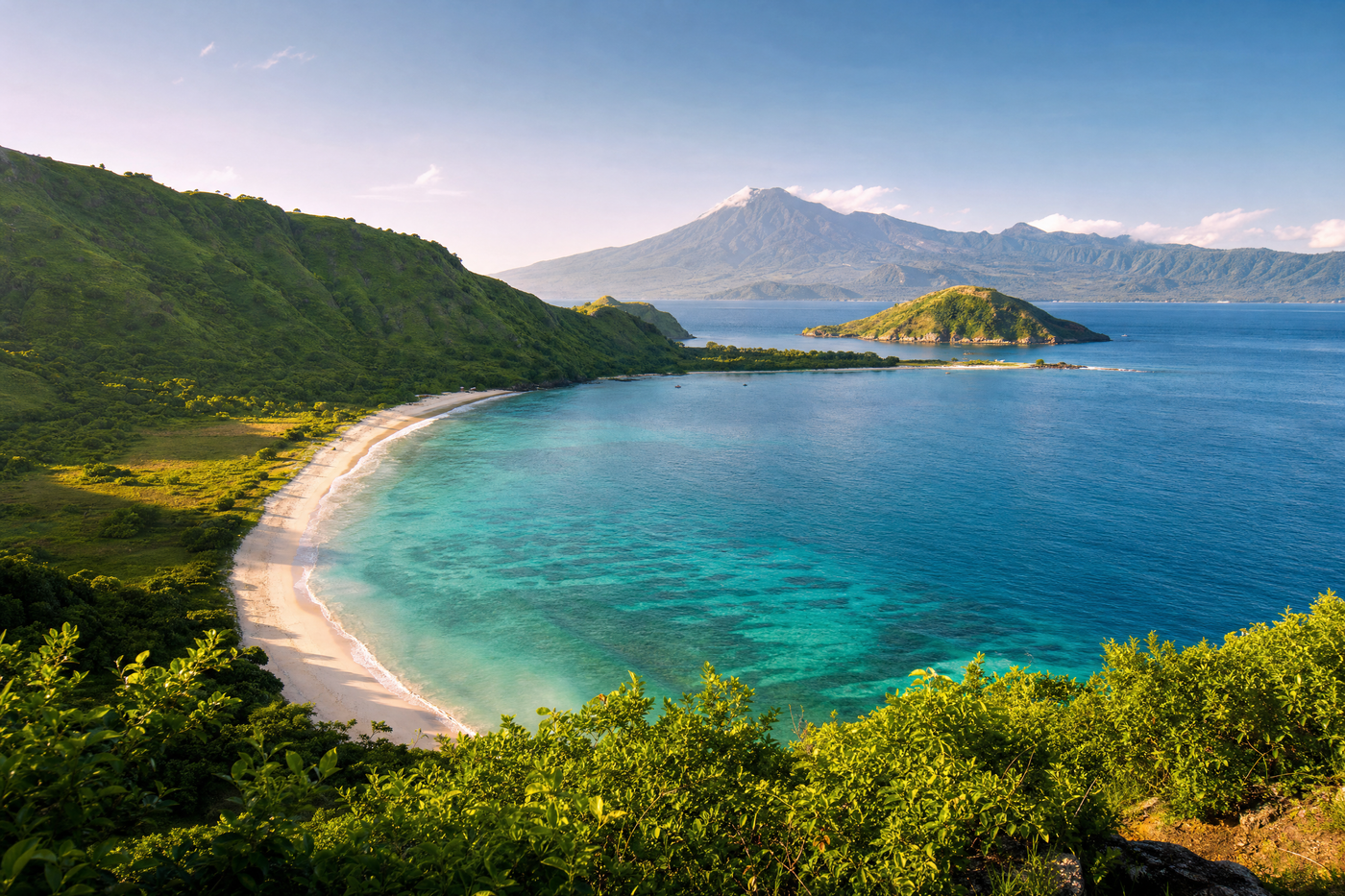
Lombok’s rugged coastline, peaceful beaches, and volcanic landscapes attract visitors year-round. However, the experience varies dramatically depending on when you visit. This seasonal planning guide breaks down weather, crowd patterns, pricing, and what to pack, helping leisure travelers pick the ideal time for a memorable, well-prepared trip.
Understanding Lombok’s seasons: Wet and dry explained
Lombok’s climate is classic tropical, shaped by the Indonesian monsoon. Unlike regions with four clear seasons, the island experiences two dominant periods: the wet season and the dry season. These not only govern the weather but influence activities, accessibility, and even cultural events throughout the year.
The dry season runs from May to September. During these months, long sunny days with minimal rainfall create ideal conditions for beach time, trekking, and outdoor adventures. Temperatures are reliably warm, usually ranging from 27°C to 31°C (80°F to 88°F), and humidity levels are more comfortable.
From October to April, the wet season brings higher humidity and frequent downpours—though showers are typically short and intense, leaving plenty of sunshine in their wake. The landscape turns vividly green, rivers swell, and cultural ceremonies come to life. This period attracts those more interested in lush scenery and quieter escapes than sun-soaked afternoons.

Your trip deserves fewer tabs.
Start planning your tripMonthly overview: What to expect through the year
- January–March: Peak of wet season; lush landscapes, heavy showers; lowest visitor numbers.
- April: Transitional month; rain wanes, dry breezes start; countryside still green but more sun.
- May–June: Early dry season; comfortably warm, clear skies, moderate crowds.
- July–August: Dry season peak; sunniest days, busy beaches, high hotel occupancy, festive atmosphere.
- September: Dry season tail; sunny with declining crowds, pleasant warmth.
- October: Transition back to wet; brief showers return, landscape remains sunny in mornings.
- November–December: Early wet season; humidity rises, lush scenery, crowd levels drop after Christmas.
Each period brings unique rewards—lush vistas in wet months, reliable sun in dry—so align your visit with your preferred travel style and priorities.
Weather patterns and what they mean for travelers
Lombok’s weather is generally warm year-round, but the experience varies with the seasons. During the dry season, you can expect abundant sunshine, gentle sea breezes, and low humidity. These months are perfect for beach activities, island hopping, hiking, and motorbiking around the island. Even inland hikes, including those up Gunung Rinjani, are safest and most scenic from May to September.
In contrast, the wet season brings rainfall mostly in intense afternoon or evening bursts. Mornings are often clear, with the rain cleaning the air and painting the hills vibrant green. While coastal roads remain passable, interior roads might be muddy or slick. Surfing is possible all year, but select breaks—especially on the south and west coast—are best during these months as the wind and swell patterns shift.
For those sensitive to heat or humidity, May, June, and September offer the best compromise, with warm but comfortable daytime temperatures and pleasant evenings for strolling, dining, or enjoying beach sunsets.
Crowd levels: High, low, and shoulder seasons
Visitor numbers fluctuate significantly across the year, shaping everything from the energy on the beaches to the serenity of natural sites. Here’s how crowd levels break down:
- Peak season (July–August): With dry, sunny weather coinciding with European and Indonesian school holidays, visitor numbers surge. Expect lively beach clubs, bustling towns (particularly Senggigi and Kuta), and early bookings for tours, ferries, and accommodation necessary.
- Shoulder months (May–June, September–October): These transitional periods strike a balance. You’ll find quieter beaches, a relaxed vibe, and more options at mid-range prices, with most attractions open and weather still pleasant.
- Low season (November–April): The arrival of rain thins the crowds drastically. Many restaurants and guesthouses remain open—especially in larger hubs—but tours may be less frequent and some mountain or rural routes less accessible.
Solo travelers and couples seeking calm should aim for shoulder or off-peak months, while those craving buzz and sociability should time their visit for high season festivals and events.
Price seasonality: Accommodation, flights, and deals
Travel costs in Lombok fluctuate by season. During the peak dry months of July and August (and to a lesser degree December holidays), flight and accommodation prices spike. Beachfront hotels and popular guesthouses may be fully booked months in advance, and some tours or activities raise rates. Expect the highest prices during this period.
The shoulder season (May–June and September–October) sees noticeably lower rates, with frequent promotions and more room for negotiation at smaller hotels or with independent guides. Airfare is also generally cheaper outside major holiday periods.
In the wet season (November–April), prices drop further. Significant discounts are available on most types of accommodation, local transport, and some tours. This is an excellent window for budget travelers comfortable with a bit of rain, with the added benefit of relative peace and quiet in popular tourist zones.

Turn your travel ideas into a plan.
Start planning your tripPacking notes for every season
Lombok’s laid-back style makes packing simple, but thoughtful choices will ensure comfort year-round. Essentials include loose, breathable clothing suited to humid tropical weather, a light rain jacket (imperative in wet months), sturdy sandals (for beaches and markets), and walking shoes for hikes or exploring rural areas.
- Wet season: Fast-drying clothing, packable waterproof jacket, travel umbrella, and waterproof backpack covers are wise. A spare set of lightweight shoes can be a lifesaver after a downpour.
- Dry season: Sun protective gear—broad hat, high-SPF sunscreen, and sunglasses—are vital. Lightweight linen and cotton fabrics outperform synthetics in hot, sunny weather.
- Year-round: Don’t forget mosquito repellent, a refillable water bottle, a small first aid kit, and a long-sleeve shirt or scarf for temple visits and evening breezes.
Swimwear is appropriate at beaches and resorts, but modest attire is appreciated when visiting villages or mosques.
Lombok’s festivals and local events by season
The island’s calendar features a blend of Islamic celebrations, traditional Sasak ceremonies, and vibrant local events. Planning your visit to coincide with unique festivals can add meaningful local color to your experience.
- Bau Nyale Festival (February or March): This lively annual event on southern beaches celebrates the legend of Princess Mandalika with music, markets, and the collective hunt for sea worms.
- Islamic holidays (dates vary): Ramadan and Eid bring solemnity and family gatherings; some businesses close, while public festivities occur in village centers. Travelers may find quieter streets and altered transport timetables.
- Senggigi Festival (usually in July/August): Cultural parades, food markets, and live performances enliven the main tourist strip during peak visitor season.
Checking event dates before confirming your itinerary can help you experience Lombok’s living culture—or avoid crowds, depending on your preference.
Outdoor adventures at their best: When to trek, surf, and snorkel
Lombok’s natural prowess is a huge part of its allure. Timing your trip to suit your chosen activities enables the best experiences with fewer weather surprises.
- Hiking Gunung Rinjani: The dry season (May–September) offers clear views, dry trails, and reduced landslide risk. The national park often closes for safety during the wettest months.
- Surfing: Year-round surf is possible, but advanced breaks may be better in wet months (October–April) due to wind and swell patterns, especially on the south coast. Beginners will find mellow beach breaks year-round.
- Snorkeling and diving: Underwater visibility is best May–September, though the Gili Islands (technically off Lombok’s northwest coast) offer rewarding dives in all seasons. Heavy rains may disrupt boat schedules and water clarity briefly.
Many adventure outfitters close or limit operations during the heaviest rains (January–March), so always check seasonal closures ahead of booking.
Island transport: Getting around in different seasons
Lombok’s transport system includes local buses, private drivers, taxis, scooters, and inter-island boats. Scheduling and reliability subtly shift with the weather. In dry months, roads are generally reliable, scenic, and accessible even to remote beaches and villages. Boat crossings to the Gilis, Bali, or Sumbawa are smoothest and most punctual during this period.
The wet season may bring potholes, occasional minor flooding, and delays, especially after heavy downpours in rural areas. Road trips can be slower, and boat connections may be rescheduled due to windy seas. For cross-island travel, build some flexibility into your plans.
Scooter rentals are popular, but always wear a helmet and avoid riding during or after a storm. Outside tourist hubs, transport options thin out, especially during Ramadan or major holidays when drivers return home.
Where to stay: Seasonal accommodation considerations
The diversity in Lombok’s accommodation—from luxury cliffside resorts to homey guesthouses and simple homestays—offers something for every style and budget, but the time of year shapes both your options and experience.
During high season (especially July, August, and late December), advance reservations are necessary, particularly in popular regions: Senggigi, Kuta, and around the Gilis. Rates rise, rooms fill fast, and boutique stays in scenic spots may book out long before you arrive.
In shoulder and low seasons, many places offer discounted walk-in rates and added perks. Some small operators close for renovations (especially on the Gilis) between January and March, but most major hotels remain open year-round. If seeking peace, consider the north and east coasts or the villages near Tetebatu and Rinjani’s foothills, which remain tranquil even at peak times.
Food, dining, and local markets: Seasonal differences
Lombok’s food scene is local and affordable, whether in bustling beach towns or rural markets. Seasonal abundance shapes what’s on offer, particularly in fresh produce and seafood.
The dry season sees a wide variety of tropical fruits—mangoes, pineapples, rambutan—brighten up warungs and markets. Coastal fish and seafood are especially fresh, benefiting from calm seas and clear weather. Many beachfront eateries expand outdoor seating in the sunshine, with evening barbeques a highlight.
In the rainy months, you’ll find more green vegetables, lush rice paddies, and rich, spicy stews in local homes. Some mountain villages host harvest festivals. Occasionally, village markets shrink as transport slows, but larger urban markets (especially the main Mataram and Ampenan markets) always bustle year-round.
Choosing your perfect Lombok travel window
Lombok’s seasonal rhythm means there is no single “best” time—just the best fit for your hopes and travel personality. If picture-perfect weather and a vibrant scene matter, target June, July, or August. For more affordable stays, lush scenery, and a relaxed vibe, shoulder months and the start or end of the rains are ideal. Serious hikers and divers should time trips to the clear, steady months of the dry season, while photographers and solitude-seekers may love the transformation and tranquility the rains bring.
Regardless of when you come, planning ahead—especially for transport and accommodation—pays off. Monitoring local festival dates and packing for both sun and showers ensures you make the most of Lombok’s diverse seasonal gifts.