Best time to visit Grand Canyon: weather, crowds and seasonal travel tips
 By Maya Rivers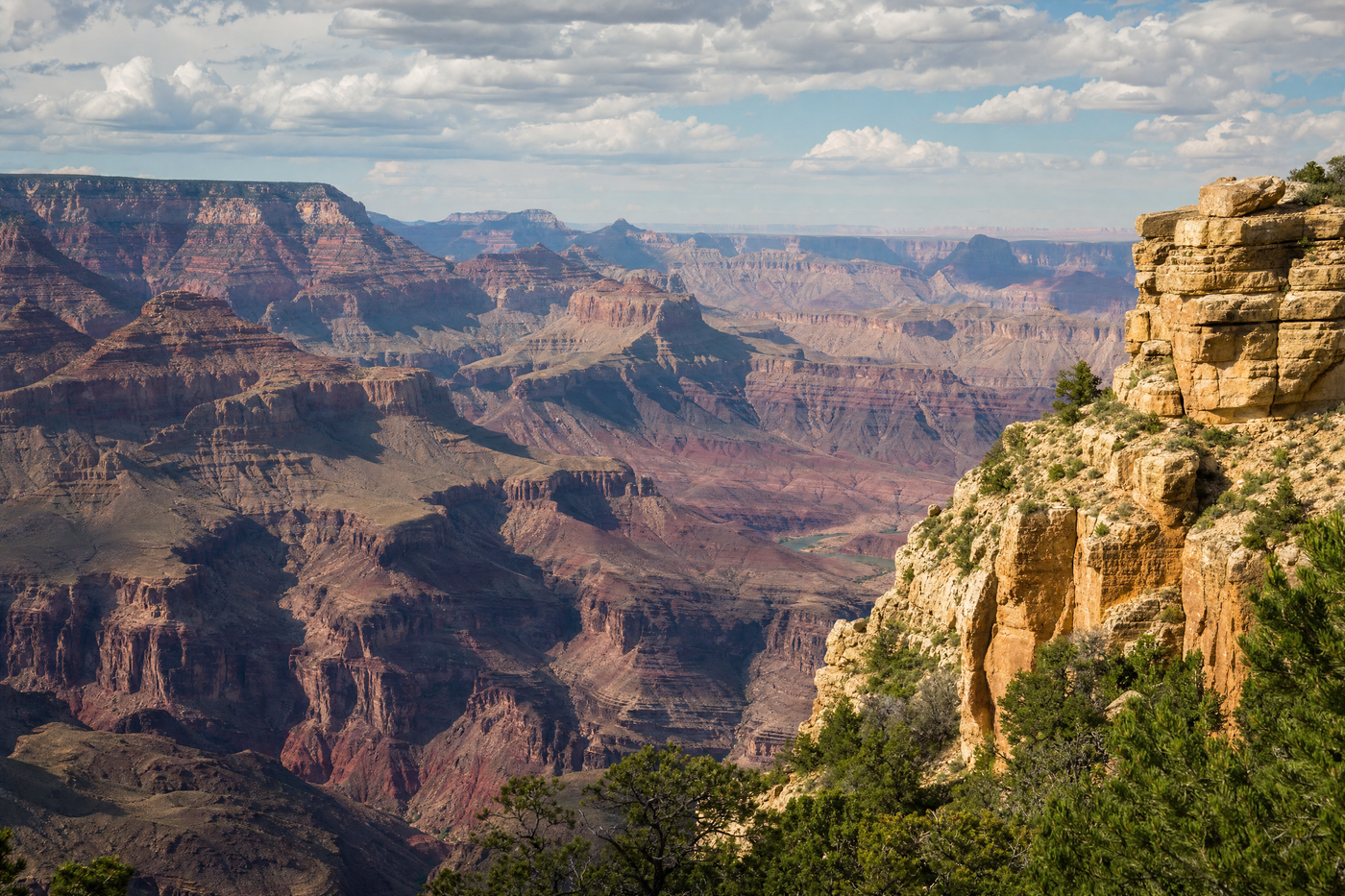
Wondering when to plan your Grand Canyon adventure? Our detailed month-by-month guide explains the best times to visit, with realistic insights on weather, crowds, travel costs and insider tips to make your trip both comfortable and memorable.
The seasonal rhythm of the Grand Canyon
The Grand Canyon is a year-round destination, but each season brings its own character to this natural wonder. From the dry heat of midsummer to the snowy serenity of winter, the canyon’s appearance and accessibility change, influencing what you can see and do. For most travelers, timing their visit around the best weather, manageable crowds, and affordable pricing is key to a satisfying trip.
While the South Rim is open year-round and offers the classic Grand Canyon views, the North Rim, higher in elevation and generally quieter, closes from late October to mid-May due to snow. Shoulder seasons, when the crowds thin and nature shows off, often offer a more relaxed experience with still-pleasant weather. Before booking, it’s wise to understand how each month measures up for your needs.

Your trip deserves fewer tabs.
Start planning your tripMonthly overview: when to go and what to expect
- January – February: Tranquil, snowy landscapes and the fewest visitors. South Rim open; North Rim closed.
- March – April: Spring blooms and rising temps. Crowds start growing, but quiet mornings still abound.
- May: Ideal mix of mild weather and moderate crowds; all park facilities open by mid-month.
- June – August: Peak season. Hot, dry, busy—especially at South Rim. Thunderstorms possible late July/August.
- September: Weather cools, crowds thin. A sweet spot for hiking and sightseeing.
- October: Crisper air, autumn colors. North Rim closes mid-month; South Rim less crowded.
- November – December: Quiet, occasionally snowy. Bargain prices and a sense of solitude.
Each window comes with trade-offs: consider what matters most—solitude, ideal temps, lower costs, or longer daylight—when choosing your dates.
Weather patterns: temperature and precipitation
Grand Canyon’s weather can change rapidly, and it’s important to remember that conditions at the rim can differ dramatically from canyon depths. The South Rim sits at about 7,000 feet elevation, while Phantom Ranch in the inner canyon is around 2,500 feet. This often means a 20-30°F (11-17°C) difference in temperature between the rim and the bottom.
Summers (June-August) are hot, with South Rim highs 80–90°F (27–32°C) and inner canyon temperatures soaring above 100°F (38°C). Afternoon thunderstorms are common from July into September, sometimes causing brief but intense rain and stunning monsoon skies. In winter, rim temperatures can drop below freezing, with snow dusting the cliffs and trails. Spring and fall bring milder, stable conditions—perfect for hiking and sightseeing.
Always check the forecast before you travel, and be prepared for both sun and sudden weather shifts, especially if you plan to hike below the rim.
Crowds: from serene solitude to summer swarms
Visitor numbers at the Grand Canyon shift dramatically through the year. Peak months—June, July, and August—see the South Rim bustle with tourists: parking fills early, shuttle buses are standing-room only, and popular overlooks and trails draw steady traffic. Holiday weekends in spring and fall can also be busy, so adjust your itinerary or start your days early to beat the rush.
In sharp contrast, winter months (especially January and February) offer peaceful, near-empty trails ideal for quiet contemplation and uncrowded photos. Late fall and early spring typically strike a comfortable balance, with enough visitors to keep restaurants and services lively, but nowhere near the summer crush.
If solitude is your priority, visit midweek or opt for sunrise and sunset hours, even during busier periods.

Turn your travel ideas into a plan.
Start planning your tripPrice seasonality: what to expect for accommodation and tours
Lodging rates within the park and in nearby gateway towns like Tusayan, Williams, and Flagstaff vary with demand. Summer and holiday weekends command the steepest prices and require booking months in advance. Demand also spikes during spring break and the October fall foliage window, especially for canyon-edge rooms.
Off-peak months—typically November through February—offer the best deals. Some lodges lower rates by 20–40%, and it’s easier to find available rooms even without long lead times. Winter deals can extend to guided tours, shuttle services, and dining packages.
If flexibility is possible, booking just outside a peak period unlocks significant savings while still promising favorable weather.
January to March: winter vistas and quiet exploration
Winter, stretching from January into early March, transforms the Grand Canyon into a serene snowscape. With temperatures at the South Rim often between 20–40°F (–6 to 4°C), snow dusts the rock layers and brings moody, dramatic photo opportunities.
Crowds are sparse, giving you solitude on scenic walks and meditative overlooks. Park services—including visitor shuttles—remain operational at the South Rim, though hours may be reduced, and some trails can be icy or closed. The North Rim’s dramatic overlooks are inaccessible, making South Rim the only base this time of year.
Packing note: Dress in warm, layered clothing. Sturdy, treaded boots are vital for safely navigating icy trails, and a thermos of something hot can make sunrise viewing extra cozy.
April to May: springtime renewal and peak hiking
Spring is a season of rising hopes and moderate weather. Daytime highs on the South Rim reach a comfortable 50–70°F (10–21°C), and desert wildflowers begin to bloom. Although late March and April bring spring breakers, crowds are still more manageable than summer’s highs, especially midweek.
By May, all park areas—including the North Rim—are accessible. Seasonal infrastructure (shuttle routes, ranger programs, open restaurants) returns in full force. Trails are generally clear of snow, but snowmelt can make some sections muddy into April.
Packing note: Bring layers; mornings are brisk but afternoons warm quickly. Sun protection is important, as higher elevations intensify UV exposure. A light rain shell is handy for spring showers.
June to August: summer essentials and strategies for the crowds
Summer heralds peak visitation—over 40% of annual guests arrive between June and August. Family vacations, student tours, and international travelers fill shuttle buses and line viewpoints. Expect daytime highs of 80–90°F (27–32°C) at the rim, with inner canyon heat often exceeding 100°F (38°C).
Early mornings and late afternoons are the most comfortable and photogenic times to explore. Afternoon storms become likely by late July, so watch for lightning advisories during hikes and avoid exposed rim trails during weather events.
Packing note: Light, moisture-wicking clothes, sun hats, sunglasses, and high-SPF sunscreen are musts. Carry more water than you expect to need, as dehydration risk is very real. Pack rain protection for sudden downpours, and consider itinerary flexibility in case of temporary trail closures.
September to October: fall’s mild days and golden moments
Early fall delivers some of the year’s most pleasant hiking conditions. September temperatures moderate, usually staying between 60–80°F (16–27°C) at the rim and cooling further by October. Thunderstorms fade away, leaving clear skies and crisp air.
Crowd levels drop after Labor Day, with October seeing notably fewer visitors, especially midweek. The North Rim closes in mid-October, but just before then, aspen trees blaze gold—a brief autumn spectacle popular with photographers.
Packing note: Layered clothing is still essential to handle wide temperature swings. Gloves and hat come in handy for early morning starts. Bring a camera for brilliant sunrise and sunset light on the canyon walls.
November to December: off-peak serenity and savings
With holidays over and cool temperatures ranging from 30–50°F (–1 to 10°C), late fall and early winter signal the transition to the park’s quietest months. The South Rim remains open with full visitor services, while the North Rim is closed.
Holiday light displays in Tusayan and festive activities in nearby towns can add seasonal charm to your adventure. Lodging and tour prices drop, and chance of snow brings opportunities for unique, crowd-free photography from the rim trails.
Packing note: Warm jackets, knit hats, and gloves are essential. Waterproof boots help if snow falls. Early sunsets mean less daylight for longer hikes, so plan accordingly.
How elevation and microclimates impact your plans
Elevation exerts a major influence on Grand Canyon conditions. The rim’s high position results in cooler temperatures, brisk winds, and more precipitation (including snow in winter). Travel just a few miles down into the canyon, however, and it’s consistently drier and hotter—sometimes by as much as 30°F (17°C).
Seasoned hikers planning any descent into the canyon should prepare for extremes: spring and fall may feel perfect up top, but can be hot and dry in the inner gorge. In summer, early morning starts are critical to avoid dangerous midday heat, while winter brings icy patches that persist in shaded areas.
Whether you’re sticking to scenic overlooks or plotting a rim-to-river adventure, always check both rim and Phantom Ranch forecasts and pack accordingly.
Packing tips for every season
- Summer: Sunhat, sunglasses, high-SPF sunscreen, breathable clothing, hydration gear, emergency snacks, a light rain shell, and sturdy shoes.
- Spring/Fall: Layered clothing (including a midweight fleece), rain jacket, sturdy walking boots, sun protection, gloves and hat for mornings, refillable water bottle.
- Winter: Insulated jacket, base layers, waterproof boots, hat, gloves, thermal socks, microspikes or traction cleats if hiking icy paths.
Regardless of season, bring a camera, park map (cell service is unreliable), snacks, and patience for ever-changing Grand Canyon conditions. A little foresight helps ensure comfort and safety as you explore one of the world’s most awe-inspiring landscapes.