Best time to visit Costa Rica: weather, crowds and seasonal travel tips
 By Maya Rivers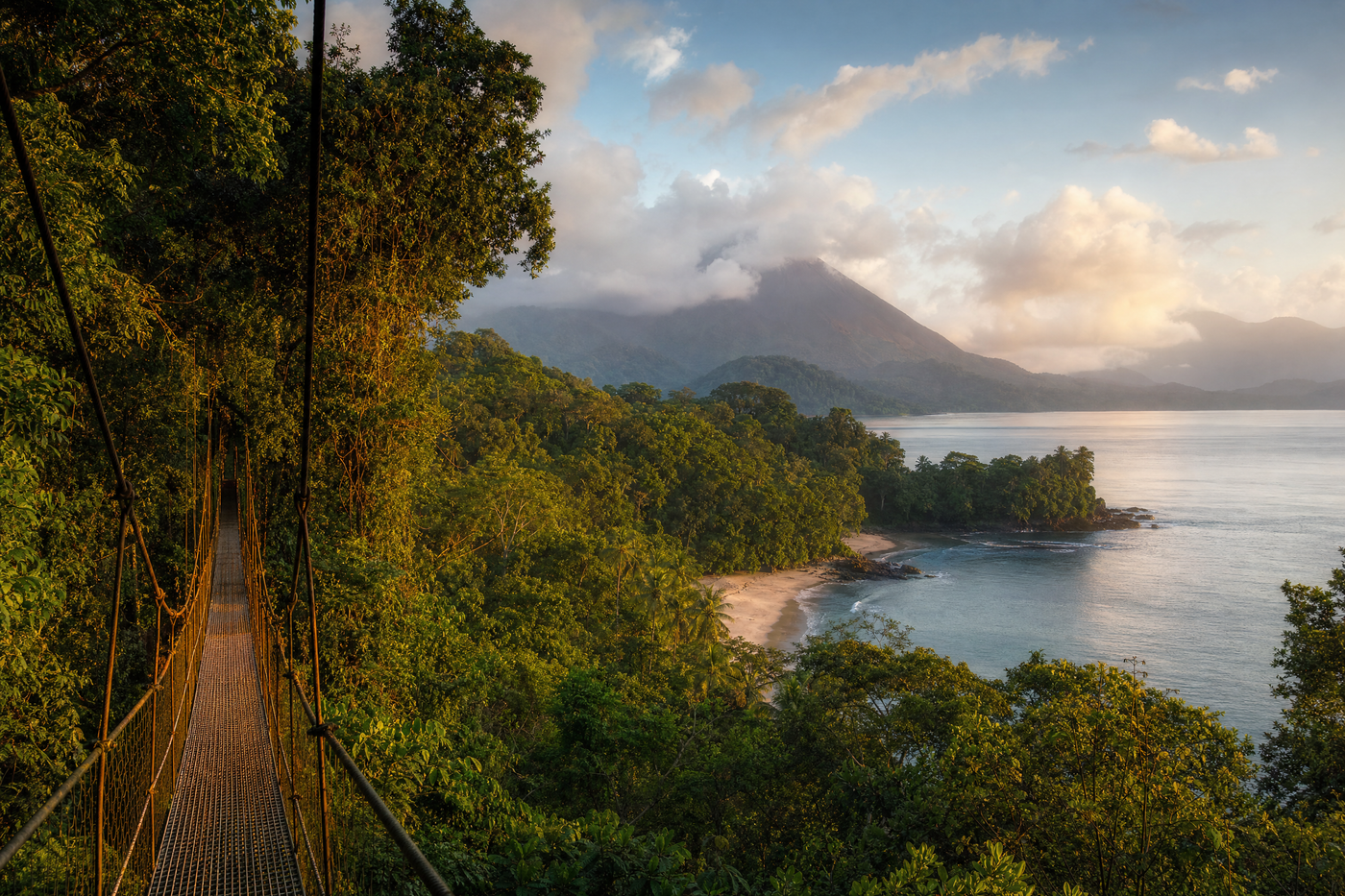
Wondering when to plan your Costa Rica adventure? Explore monthly weather shifts, crowd trends, price changes, and the smartest packing tips for every season to make your trip both pleasant and budget-friendly.
Understanding Costa Rica’s unique seasons
Costa Rica’s climate shapes nearly every aspect of a traveler’s experience—from what you pack to how crowded beaches and volcano trails become. Located just north of the equator, the country features two main seasons: the dry season ("verano") from December to April, and the rainy or green season ("invierno") from May to November. Each unveils a distinct side of the country’s famous rainforests, highland cloud forests, coastlines, and volcanoes.
Travelers should note the country’s microclimates. The Pacific and Caribbean coasts experience rainfall at different times, and higher altitude areas can have cooler, misty weather year-round. Understanding these patterns is essential for picking the right region and time that match your interests.

Your trip deserves fewer tabs.
Start planning your tripMonthly overview: what to expect each month
- January–March: Dry, sunny, and peak tourist months; ideal for beaches and clear forest hikes.
- April: End of dry season; fewer crowds after Easter and discounts starting at hotels.
- May–June: Start of green season; afternoons see showers but mornings are bright and wildlife is active.
- July–August: Short 'little summer' break (veranillo); fewer storms, but school holidays can lift crowds.
- September–October: Heaviest Pacific rains; Caribbean side is drier and less crowded, great for turtle nesting.
- November: Transition month; rain slows and eco-lodges reopen with low season prices.
- December: Rains end, tourism ramps up for festive season.
This monthly rhythm is a valuable anchor for trip planning, helping you weigh your priorities between weather, crowds, and costs.
The dry season (December to April): best for sunshine seekers
Costa Rica’s dry season draws in travelers with the promise of reliably sunny days, clear blue skies, and minimal rain—especially along the Pacific coast and in central valley cities like San José. This season is particularly popular with families, winter sun-seekers, and adventure-holiday enthusiasts. Beaches from Tamarindo to Manuel Antonio fill up, and tours such as ziplining, rafting, and volcano visits operate at full capacity.
However, the dry season also means higher prices and larger crowds—especially during the December holidays and Semana Santa (Easter week). Accommodation and rental cars should be booked months ahead if traveling during these periods. Despite the hustle and higher rates, the sheer beauty and ease of travel in this period are hard to match, making it the classic choice for most first-timers.
The green season (May to November): quieter and more lush
The rainy or "green" season brings an entirely different spirit to Costa Rica. Showers typically fall in the afternoons and evenings, leaving mornings crisp and clear. Even in the rainy season, entire days can go by with little to no rain, particularly on the Caribbean coast or Nicoya Peninsula, where localized microclimates prevail. This time is a boon for slow travelers, photographers, and nature-lovers eager to see landscapes at their lush, greenest.
The green season also delivers better rates on everything—from boutique ecolodges to car rentals. Many tours operate with fewer participants, and more wildlife emerges at national parks. The downside is the possibility of some rural roads becoming muddy or impassable after heavy rain, so flexibility is key. The Caribbean coast enjoys its driest weather between September and October, the reverse of the Pacific side—a smart swap for those eager for late-summer visits.

Turn your travel ideas into a plan.
Start planning your tripNavigating holiday peaks and local festivals
Peak tourist numbers surge during international vacations, such as Christmas, New Year, and Easter. These periods are marked by packed beaches, busier national parks, and hotels at full occupancy (often with minimum-stay requirements). Expect prices to climb dramatically for accommodation and tours, especially in renowned hotspots like Arenal, Manuel Antonio, and the Nicoya beaches.
On the other hand, traveling just after these holidays can be a strategic way to enjoy good weather with diminishing crowds and friendlier rates. Local festivals—such as the Palmares Festival (January) and Independence Day (September 15)—bring festive parades, music, and cultural events, but may affect transport and bookings in nearby areas. Check local calendars and book critical arrangements early if your travel coincides with major celebrations.
Microclimates and regional weather variations
Costa Rica's compact size belies the diversity of its microclimates. Regional differences are dramatic and can shift travel priorities. The Caribbean coast (Puerto Viejo, Tortuguero) is wetter from late November through February, but relatively dry in September and October. The Central Valley and San José enjoy more consistent year-round temperatures and comparatively modest rainfall, ideal for cultural travelers and city-based stays.
Mountainous regions, notably Monteverde and Chirripó, cool dramatically, with misty mornings and lower nighttime temperatures. Here, waterproof outerwear and warm layers are recommended even in the heart of the dry season. Familiarizing yourself with these regional patterns is crucial for specialized interests—like wildlife viewing, surfing, or cloud forest hiking.
Crowd levels: when to find peace (or a party)
High season: December to April, plus July and August, brings high levels of visitors—expect busy trails and beaches. Popular park entry numbers can be controlled; book important tickets and tours in advance to avoid missing out. Towns bustle with both international and domestic tourists, especially during Christmas, New Year, and Easter.
Shoulder and low seasons: May–June and September–November see a noticeable drop-off. National parks and beach towns feel more laid-back, ideal for solitary wildlife viewing and quieter adventures. Exceptions arise on weekends when locals visit favored spots; aim for midweek stays for additional solitude.
Price seasonality and budgeting for your trip
Accommodation, flights, and even tour prices follow the ebb and flow of Costa Rica’s tourist seasons. The dry season and holiday weeks mark the "high season," when prices can more than double for hotels and unique lodges. Advance booking is not just a nicety but a necessity—choices narrow early, and deals are rare.
For significant savings, look to the green or "low" season, particularly May, June, September, and early November. Many hotels and tours offer enticing discounts and flexible cancellation policies during these months. Some remote eco-lodges may close briefly in October, so double-check before finalizing plans, especially for off-the-beaten-path adventures.
Wildlife experiences by season
Costa Rica’s world-famous biodiversity shines in every season, but specific months are prime for iconic encounters. Sea turtle nesting on the Caribbean (Tortuguero) peaks from July–October, and on the Pacific (Ostional, Nancite) from August–December. Whale watching on both coasts is possible, with best chances on the Pacific (Drake Bay, Marino Ballena) from July to October, when humpbacks migrate from the southern hemisphere.
In the green season, birdwatchers and photographers benefit from a more active animal population after midday rains. The dry season, for its part, concentrates wildlife around rivers and watering holes—great for easier viewing in national parks like Corcovado, where tapirs and monkeys gather near dwindling water sources.
Packing notes: essentials for any season
- Quick-dry clothing: Lightweight shirts, pants, and shorts are helpful given heat, humidity, and sudden showers year-round.
- Rain gear: Even in the dry season, mountain destinations call for rain jackets; a compact umbrella and waterproof backpack cover add insurance during green season visits.
- Sun protection: Broad-spectrum sunscreen, wide-brimmed hats, and sunglasses are musts under strong equatorial rays.
- Footwear: Durable sandals for towns and sturdy, waterproof shoes for hiking and exploring muddy jungle trails.
- Bug spray: Mosquito repellent is crucial in both coastal and rainforest zones.
Most destinations offer laundry services, so pack light but carefully, choosing versatile layers and items suited to your itinerary’s mix of wild and urban adventures.
Sample itineraries: best months for popular activities
Surfing: Tamarindo and the Nicoya Peninsula shine from December to April for consistent swells, while Puerto Viejo (Caribbean) peaks September–October.
Volcano hikes: Aim for February, March, or early April for mostly clear views of Arenal, Poás, and Rincón de la Vieja.
Birdwatching: From May to August, skies fill with migrant species, while the green season enhances wildlife viewing in Monteverde and Tortuguero.
Beaches: The Pacific is driest December to March, but the Caribbean has its best beach weather in September and October.
Match your travel month to your must-do activity for the best chance at ideal conditions and memorable experiences.
Smart planning tips and final considerations
To get the most out of your Costa Rica adventure, balance weather wishes with crowd tolerance and flexible budgeting. Review both regional and national forecasts as you plan, and don't hesitate to mix and match locations—many itineraries benefit from a combination of Pacific and Caribbean experiences, as well as time spent inland or at altitude.
Book well ahead for high season, consider shoulder and green seasons for quieter, more affordable travel, and always double-check for local closures or festivities that might impact availability. Above all, embrace Pura Vida—Costa Rica’s easygoing spirit. No matter when you arrive, the country’s striking landscapes and wildlife await, ready to inspire unforgettable memories through every season.