Best time to visit Bruges: weather, crowds and seasonal travel tips
 By Maya Rivers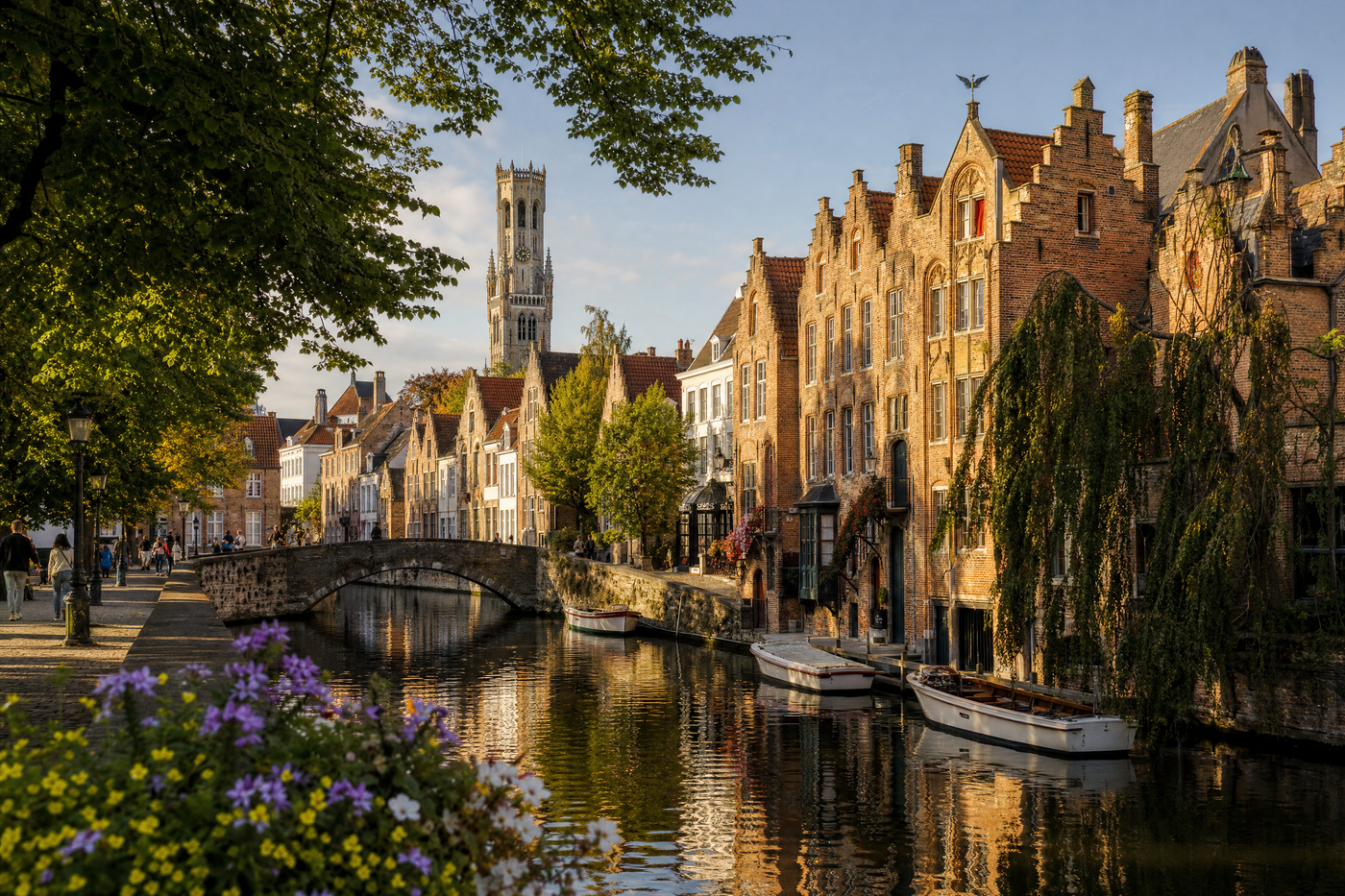
Planning a trip to Bruges? Discover the best months to visit for pleasant weather, manageable crowds, and value for money. Our detailed monthly guide breaks down local climate, crowd levels, cost trends, and essential tips for a memorable, stress-free stay.
Why timing matters for Bruges
Bruges, the storybook medieval gem of Belgium, offers travelers a tapestry of cobblestone lanes, romantic canals, and heritage-filled squares. But as enchanting as it is, the experience can shift dramatically depending on when you visit. From misty winter mornings to bustling summer afternoons, Bruges reveals new charms—and challenges—across the seasons.
Choosing your travel dates isn’t just about the weather. It’s about sidestepping crowds in narrow alleys, finding better hotel deals, and catching the city in its most authentic rhythms. This guide shares what to expect each month, factoring in weather, crowd levels, pricing, and practical preparation, so you can make the most of your Bruges escape.

Your trip deserves fewer tabs.
Start planning your tripUnderstanding Bruges’ weather year-round
Bruges features a temperate maritime climate, shaped by its proximity to the North Sea. This means mild winters, moderate summers, and frequent chances of clouds and rain. While snow is rare, drizzly days are common throughout the year, so waterproof gear is always a wise inclusion.
Average high temperatures in winter (December–February) hover around 5°C to 7°C (41°F–45°F), while summer months (June–August) see highs between 19°C and 22°C (66°F–72°F). Spring and autumn offer intermediate temperatures, sometimes unpredictable, but often pleasantly cool and fresh. The city’s weather can change swiftly, so packing with layers in mind is key.
Month-by-month overview for Bruges
- January–February: Cold, quiet, and atmospheric. Expect few tourists but shorter daylight hours and chilly drizzle.
- March–April: Spring brings rain, blossoming parks, and slowly rising temperatures. Crowds are still minimal, making city strolls peaceful.
- May: Gardens burst with color and cafes begin to fill. The city feels welcoming, but not yet crowded.
- June–August: Peak season. Expect vibrant streets, long days, maximum crowd levels, and higher prices. Warmest weather of the year.
- September: A sweet spot—pleasant weather, fewer crowds, and softer light ideal for photographers.
- October–November: Autumn leaves and quieter neighborhoods. Cooler air, some festivals, and better hotel rates.
- December: Christmas markets and glowing lights transform the city. Chilly evenings, but magical ambiance prevails.
Each month brings a different side of Bruges, whether you crave lively festivals or tranquil canal reflections.
Winter in Bruges: a peaceful retreat (December–February)
Winter in Bruges is marked by fewer tourists, crisp air, and festive charm. December is an exception, bustling with markets, light displays, and shoppers drawn to the city’s Christmas magic. January and February settle into a slow rhythm, with quiet streets and a palpable local atmosphere.
Expect average temperatures between 1°C and 7°C (34°F–45°F). Rain and drizzle are likely; snow is rare but possible. Most attractions remain open, and hushed canals offer picture-perfect vistas. It’s an ideal time for travelers who prioritize atmosphere over warmth and don’t mind bundling up for strolls.
Pack warm layers, a good rain jacket, and waterproof shoes. Many hotels drop their rates significantly in January and February, making it a budget-friendly season for a cozy escape.
Springtime charm: March, April and May
Spring breathes new life into Bruges, with temperatures rising steadily from 9°C (48°F) in March to nearly 17°C (63°F) by late May. Gardens and parks burst into color, and tulip beds brighten the cityscape. Hotel and attraction prices remain moderate, especially before Easter week.
Rain showers are frequent, but they’re often short-lived, and the city’s popularity is just beginning to build. April can be refreshingly quiet, while May’s weekends see more visitors, particularly as outdoor terraces open for the season.
Ideal for travelers seeking a balance of mild weather and moderate crowds. Include an umbrella, light layers, and a camera for the photogenic canal reflections and blooming squares.

Turn your travel ideas into a plan.
Start planning your tripSummer in Bruges: peak season perks and challenges (June–August)
Summer is Bruges’ busiest and brightest season, luring crowds with long days, lively streets, and festival energy. Daytime temperatures range from 19°C–22°C (66°F–72°F) with occasional warm spells pushing 25°C (77°F), but heat waves are rare. The extra daylight (up to 16 hours) invites late-evening strolls and vibrant outdoor dining scenes.
Expect high occupancy at hotels and guesthouses, with prices peaking from June through August. Main squares and iconic sights like the Belfry see long lines and group tours arrive daily. Although crowds are at their thickest, there’s much to enjoy: open-air concerts, pop-up food stalls, and canal cruises running into the evening.
Book accommodations and tickets well in advance. Dress in light layers, and always pack a rain poncho—summer showers are not uncommon. Mornings and late evenings are quieter for sightseeing away from the midday crowds.
Autumn colors and a slower pace: September–November
September in Bruges offers a golden opportunity: comfortable weather (around 18°C/64°F), dwindling crowds, and gentle autumn sunlight casting a glow on the city’s brick facades. Locals return after summer holidays, providing an authentic rhythm and vibrant restaurant scene.
October sees a further dip in visitor numbers; leaf-peeping becomes a rewarding activity as parks and canalsides turn fiery tones. November ushers in quieter streets and lower prices, with a chill in the air (averages around 10°C/50°F). Some days can be gray or misty, but the city feels relaxed and inviting.
Autumn travelers should bring layers and a waterproof jacket. Shoulder season bargains are common, particularly for weeknight stays, making it an attractive time for a value-minded trip with plenty of local flavor.
How crowds shift throughout the year
Crowd levels in Bruges are as cyclical as the weather. Peak months—June, July, and August—bring the highest volume, with weekends especially busy due to both international tourists and Belgians on holiday. Day-trippers often fill the main sights from noon to 4 pm, causing congestion in key squares and along the canals.
Spring (especially March and early April) and autumn (late September to November) offer respite, with fewer tour groups and a more measured pace. Winter is quiet, except for the Christmas season, when festive travelers descend for holiday markets and special events. Early mornings and evenings are almost always calmer, regardless of the season.
For those wishing to escape the busiest crowds, plan midweek stays, visit attractions in the first opening hour, and explore lesser-known neighborhoods such as Sint-Anna or the windmill-dotted Kruisvest area.
Price seasonality: when to find deals
Accommodation, flight, and even dining prices in Bruges are closely tied to demand. Summer’s boom brings the highest rates, often requiring booking months in advance for central hotels. May, September, and December around festival periods also see price spikes—especially during the Bruges Beer Festival and the enchanting Christmas markets.
In contrast, January to March and mid-November are typically low season, with hotels slashing prices and more availability in boutique B&Bs. Dining out and museum entry fees remain broadly consistent, but some tours and transport passes may be discounted in quiet months.
If you’re budget-sensitive, traveling during these shoulder and low periods can stretch your euro further without sacrificing the core Bruges experience. Always check for special midweek deals or package offers directly with accommodations.
Packing for Bruges: essentials by season
- Winter: Warm layers (thermal tops, sweaters), hat/gloves/scarf, waterproof winter coat, and comfortable boots with grip.
- Spring: Light sweaters, breathable rain jacket, sturdy walking shoes, and a compact umbrella; evenings can still be chilly.
- Summer: Light layers, rain poncho, sun hat, sunglasses, and refillable water bottle—plus a sweater for breezy evenings.
- Autumn: Warm sweaters, midweight jacket, waterproof shoes, and layers for fluctuating temperatures.
Regardless of the season, Bruges’ old streets are cobbled and often damp. Bring shoes you can walk in for hours, and keep an umbrella handy all year round.
Local events and unique seasonal experiences
Bruges’ calendar is dotted with festivals and special events that can add a memorable touch to your trip—or influence your timing. December’s Christmas markets are a highlight, turning city squares into a winter wonderland of mulled wine, crafts, and ice skating. In May, the Procession of the Holy Blood draws crowds and media attention, blending pageantry with centuries-old tradition.
Summer hosts outdoor concerts, art exhibitions, and food festivals, many of which spill into the streets and showcase local talent. Autumn brings beer tastings and medieval fairs, while spring sometimes sees pop-up flower shows and boating celebrations.
When planning, check the city’s event schedule in advance. These festivals add vibrancy but can affect hotel prices and availability, especially if you’re aiming for a quieter visit.
Bruges travel tips: choosing your ideal month
The right month to visit depends on your priorities. Are you seeking tranquil canals and unobstructed views? Opt for January, February, or late autumn. Want a lively vibe with open-air events and extended daylight? June or July provides Bruges at its cultural zenith—but with the caveats of price and crowds.
Travelers eager for balanced conditions often select late spring (May) or early autumn (September) when weather is pleasant, flower boxes spill color into the lanes or trees turn golden, and the city feels neither deserted nor overwhelmed. Both shoulder seasons combine savings, atmosphere, and daily life at an easy pace.
Whatever your preference, planning around weather patterns and local events will help you secure reservations, pack wisely, and set realistic expectations. The magic of Bruges endures across the months; with a little strategic planning, you can discover your perfect version of this timeless city.