Berlin travel guide: what to see, where to stay and how to plan your days
 By Maya Rivers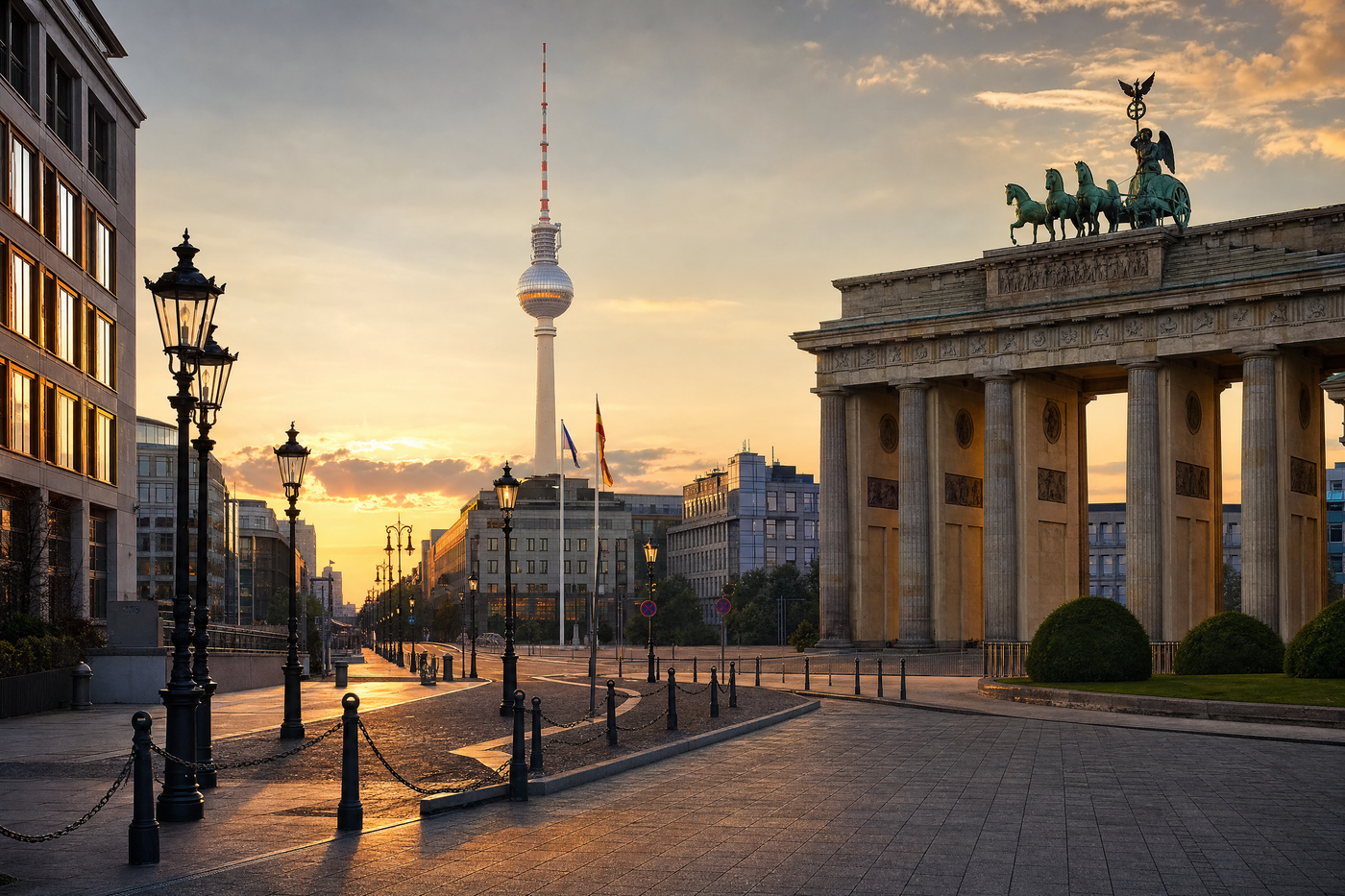
Experience Berlin's modern energy and layered history with this practical guide, designed for first-time travelers. Discover the best neighborhoods to stay, must-see sights, local flavors, and a flexible three-day itinerary to help you enjoy the city like a pro.
Getting to know Berlin: city overview
Berlin’s energy as Europe’s creative capital is matched by its profound past and ever-evolving neighborhoods. The city is big but not overwhelming, divided by the River Spree and once split by the Berlin Wall. Today, each district offers its own vibe, from stately avenues to bohemian dives. First-timers will quickly notice how history, reinvention, and community are woven into everyday life—whether exploring art-laced boroughs or sipping coffee in a leafy square.
Berlin is walkable in many areas, but its spread means public transport is essential. Expect lively local markets, relaxed parks, and an inclusive spirit that makes visitors feel at home. The city speaks many tongues, with English widely used in tourist areas, making it accessible but authentically German.

Your trip deserves fewer tabs.
Start planning your tripThe best areas to stay in Berlin
- Mitte: The historical core, centrally located and within walking distance to major attractions like Museum Island, the Brandenburg Gate, and Alexanderplatz. Ideal for first-timers who want classic sights at their doorstep.
- Friedrichshain: Young, energetic, and filled with street art, indie shops, and some of Berlin’s most iconic nightlife—convenient to the East Side Gallery.
- Prenzlauer Berg: Leafy and picturesque, perfect for cafes, family-friendly boutiques, and relaxed mornings. Close to Mauerpark and the Berlin Wall Memorial.
- Kreuzberg: Alternative and multicultural, rich with food markets, riverside bars, and creativity. Great for those seeking the liberal, artistic pulse of the city.
- Charlottenburg: More upscale, with elegant boulevards and easy U-Bahn access. Choose here if you prefer a quieter base and classic Berlin charm.
All these neighborhoods are well-connected to public transportation, letting you easily explore different sides of Berlin without feeling stranded or rushed.
How to get around Berlin
Berlin’s transport network is one of Europe’s best, making the city easy and efficient to navigate for visitors. The main modes include the U-Bahn (subway), S-Bahn (urban trains), trams (primarily in the former East), and buses. Single tickets, day passes, or the Berlin WelcomeCard (offering unlimited rides and discounts) are all available. Tickets are valid across all transport methods.
Most visitors use the BVG app for planning routes and buying tickets. Bikes are a popular alternative and can be rented from docking stations or via apps, with dedicated bike lanes across the city. Walking is pleasant in central neighborhoods like Mitte and Prenzlauer Berg, but for longer distances, public transport is much quicker and reliable.
One tip: always validate your ticket in the machines before boarding if it’s not time-stamped. Berlin’s ticket inspectors check tickets regularly and fines are issued on the spot.
Top sights you can't miss
- Brandenburg Gate: Berlin’s most famous landmark, best seen at dusk with the Pariser Platz illuminated.
- Museum Island: A UNESCO World Heritage site on the Spree, home to world-class museums like the Pergamon Museum and Neues Museum.
- The Berlin Wall Memorial & East Side Gallery: Explore remnants of the Wall, including the kilometer-long East Side Gallery with its vivid murals.
- Reichstag Building: Visit the glass dome for panoramic city views (reserve free tickets in advance).
- Checkpoint Charlie: This former border crossing is now a museum, offering a look at Cold War history.
- Gendarmenmarkt: A stunning square framed by grand concert halls and twin cathedrals.
- Tempelhofer Feld: A public park set on a former airport runway, ideal for walking, cycling, and people-watching.
These highlights are woven into daily Berlin life, offering a balanced picture of both the city’s turbulent past and vibrant present.

Turn your travel ideas into a plan.
Start planning your tripBerlin’s neighborhoods: what to expect
Mitte is Berlin’s stage for grand museums, iconic plazas, and easy access to the Spree. Here, modern architecture and Prussian facades blend, making it the city’s beating heart. In Kreuzberg, expect graffiti, outdoor cafes, thriving Turkish markets, and eclectic nightlife. Friedrichshain teems with creativity and legendary clubs, while Prenzlauer Berg charms with cobbled streets, secondhand stores, and leafy squares.
Charlottenburg represents old-school, west Berlin elegance. Stroll down Kurfürstendamm for classy boutiques and visit the ornate Charlottenburg Palace. Each borough has its own rhythm and flavor, offering a new layer of Berlin’s story.
Berlin’s food scene: what and where to eat
Berlin’s dining scene is affordable, eclectic, and utterly satisfying. Local specialties include Currywurst (sausage with spicy ketchup and curry powder, best at Curry 36 or Konnopke’s), Berliner Pfannkuchen (jelly doughnuts), and hearty plates like Eisbein (pork knuckle). For global flavors, you’ll find Turkish döner kebab (try Mustafa’s Gemüse Kebap in Kreuzberg) and Vietnamese pho in Prenzlauer Berg.
Markets like Markthalle Neun (Street Food Thursday) showcase artisanal and international treats. Don’t skip classic beer gardens or riverside Spätis (late-night shops with outdoor seating) for a local vibe. Brunch is beloved, and many cafes offer vegan or vegetarian options, reflecting Berlin’s inclusive spirit.
Local culture: customs and practical etiquette
Berlin residents appreciate openness and individualism but also value courtesy and punctuality. A casual greeting of "Hallo" works almost everywhere. In restaurants, waiting for the server to seat you is standard, and tipping—about 5-10% rounded up—is polite but not obligatory. Public transport etiquette includes letting passengers exit before you board and keeping noise to a minimum.
Cash is still widely used, so carry euros, especially for small cafes or neighborhood markets. Berlin is LGBTQ+ friendly, and English is commonly spoken, yet learning a few German phrases is welcomed. Smoking is permitted in some bars but banned in most indoor spaces.
Planning your trip: when to visit and for how long
Spring and early autumn are ideal for Berlin, with mild temperatures, blooming parks, and outdoor events. Summer (June-August) brings festivals and lively beer gardens but also crowds at top sights and higher accommodation prices. Winter has its charms—cozy Christmas markets, museums, and fewer tourists—though daylight hours are short and the weather chilly.
Three to five days is enough for a fulfilling Berlin visit, allowing time for key sights plus relaxed exploration. If you enjoy museums or nightlife, more days will let you dig deeper. Book top attractions (like the Reichstag Dome) in advance, and plan for some flexibility since unexpected finds are part of Berlin’s allure.
Day one: history and the heart of Berlin
- Morning: Start in Mitte. Stroll Unter den Linden from Alexanderplatz to Brandenburg Gate. Visit the Berlin Cathedral and walk to Museum Island. Pick one museum (the Pergamon Museum is popular).
- Lunch: Try a café along the Spree or sample Currywurst at Dom Curry.
- Afternoon: Head to the Reichstag. Reserve tickets for the dome and roof terrace in advance. Walk to the Memorial to the Murdered Jews of Europe (Holocaust Memorial).
- Evening: Dine at a local bistro in Scheunenviertel, or grab drinks at a rooftop bar nearby.
This route offers an orientation to Berlin’s historical core, with plenty of stops for photos and reflection.
Day two: artistic neighborhoods and east Berlin
- Morning: Take the S-Bahn to Friedrichshain. Explore the East Side Gallery and riverside artwork. Wander Boxhagener Platz for indie stores and Saturday flea market (if visiting on a weekend).
- Lunch: Enjoy brunch at a café in Simon-Dach-Strasse or sample street food at RAW-Gelände’s culture park.
- Afternoon: Cross the Spree to Kreuzberg. Visit Markthalle Neun for a food market or stroll the busy lanes around Görlitzer Park.
- Evening: Eat Turkish in Kreuzberg, catch live music at a local bar, or experience Berlin’s renowned club scene.
Day two highlights Berlin’s alternative spirit, offering a different side from the monumental heart of Mitte.
Day three: green spaces, markets, and relaxed discovery
- Morning: Head to Prenzlauer Berg. Start with coffee and pastries at a local bakery. If it’s Sunday, browse Mauerpark’s famous flea market and enjoy the public karaoke in the park.
- Lunch: Sample vegan or vegetarian fare at a neighborhood spot, or try traditional German at Prater Garten, the city’s oldest beer garden (open seasonally).
- Afternoon: Take the U-Bahn to Charlottenburg. Visit Charlottenburg Palace and its gardens, or stroll Kurfürstendamm for shopping and people-watching.
- Evening: For a final Berlin dinner, choose a cozy restaurant or return to the Spree for river views. Consider a laid-back evening cruise in summer.
Day three is flexible, inviting you to slow down and absorb Berlin’s relaxed rhythm.
Practical tips for a smooth Berlin experience
To keep your trip organized, book accommodation and key attractions well in advance, especially in peak seasons. Consider buying a Berlin WelcomeCard for unlimited transit and attraction discounts. Stay hydrated with tap water (safe to drink) and bring a reusable bottle. If traveling with children, many attractions are family-friendly, and playgrounds are abundant across neighborhoods.
Berlin’s nightlife can be intense; always double-check club entry policies, and bring ID. For sightseeing, Sundays and Mondays are quieter, but many museums are closed on Mondays. Lastly, don’t rush—leave time for spontaneous stops, local markets, or simply people-watching at a streetside café. Berlin rewards the curious, and your best moments might be the ones you didn’t plan.