Banff in three days: a balanced itinerary for first-time visitors
 By Maya Rivers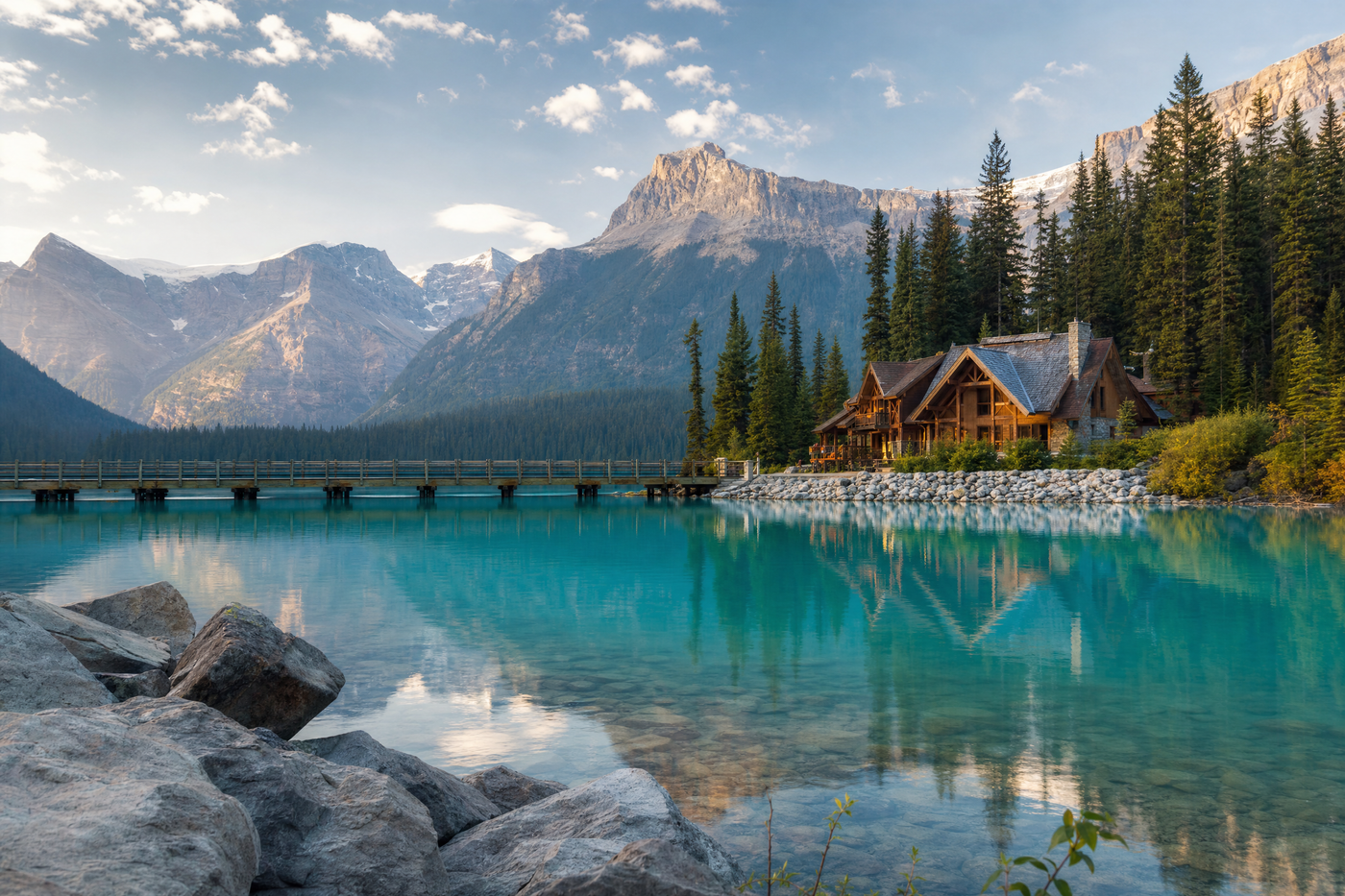
Discover Banff with a thoughtfully paced three-day itinerary. This guide helps first-timers enjoy mountain scenery, local food, and signature attractions without rush or overwhelm.
Why Banff is an ideal destination for a three-day getaway
Picturesque Banff National Park is a dreamlike destination for travelers seeking both beauty and a manageable adventure. Three days in Banff is just enough to experience its turquoise lakes, soaring mountains, and vibrant town life, without feeling overbooked or rushed. This itinerary is crafted to blend iconic spots with moments of rest, mindful that travel should be memorable for all the right reasons.
By planning carefully, you’ll have the time to explore, linger, and discover, instead of simply racing from one photo op to another. Banff’s compact size and well-developed visitor infrastructure also makes it accessible, whether you're traveling solo, as a couple, or with family. The key is balance: seeing the sights, sampling local flavor, but preserving time for mountain air and spontaneous joys.

Your trip deserves fewer tabs.
Start planning your tripWhen to visit Banff: timing your trip for the best experience
Most first-timers visit Banff between late June and early September, seeking long daylight hours, accessible trails, and the famous blue lakes free of ice. However, the shoulder seasons in May/early June or September/early October offer fewer crowds and still plenty of incredible scenery.
Be aware that accommodation prices and crowds peak in summer. Snow can linger on higher trails well into June, while in autumn, larch trees flame gold and temperatures drop sharply after sunset. Winter (November to April) is enchanting for those keen on snow sports but means some lakes and roads will be closed or require planning around wintry conditions.
Regardless of when you go, weather can change quickly in the Rockies. Bring layers and be ready to adjust your daily schedule for rain or sudden chills.
Banff basics: how to get there and get around
Banff is about 90 minutes by car west of Calgary International Airport (YYC). Most travelers rent a car for maximum flexibility, but shuttles and the Roam public transit service connect Banff to Calgary and neighboring attractions year-round. In peak season, parking fills up quickly in town and at major sights.
If you’re visiting in summer and want to see Moraine Lake or Lake Louise, book Parks Canada shuttle tickets well in advance, as private vehicles are now restricted at Moraine Lake. Within Banff townsite, walking and local Roam buses offer a pleasant, eco-friendly way to explore. Ensure you have a Parks Canada entry pass—these can be purchased online or at park gates.
Day one: settling in and discovering Banff townsite
- Morning: Arrive, check in to your hotel or inn, and stretch your legs along Banff Avenue, which blends mountain charm and vibrant shops. Pop into Wild Flour Bakery for a hearty breakfast and locally-roasted coffee.
- Midday: Visit the Whyte Museum for a primer on Banff’s human and natural history. Wander toward Central Park and the Bow River trail where you can cross the pedestrian bridge for iconic mountain views.
- Lunch: Nourish Bistro provides fresh, creative vegetarian dishes with mountain vistas. It’s wise to reserve a table in advance during busy weekends.
- Afternoon: Take the Banff Gondola up Sulphur Mountain (pre-booking is recommended). Enjoy stunning alpine panoramas and the interactive observatory, then walk the boardwalk to Sanson’s Peak.
- Evening: Dip into Banff Upper Hot Springs—bring a swimsuit and arrive just before sunset for a quieter soak. For dinner, Bear Street Tavern serves up generous pizzas and mountain comfort food in a friendly setting.
This first day sets a relaxed tone, emphasizing iconic vistas and local flavor while leaving space for exploration or an early night, depending on your energy.
Day two: lakes, mountains, and glacier-fed wonders
- Morning: Start early and head to Lake Louise. If you’re not staying nearby, take the pre-booked express shuttle. Enjoy sunrise colors on the lake and snap a classic photo. Grab breakfast at the Lake Louise Village Grocery for a picnic later.
- Mid-morning: Walk the Lake Louise shoreline or hike to Lake Agnes Tea House (11 km, moderate; allow 3-4 hours round trip). The trail can get crowded, so early starts pay off.
- Lunch: If hiking, enjoy sandwiches or snacks with a lakeside view, or lunch in the Fairmont Chateau Lake Louise’s casual Lakeview Lounge (advance bookings advised).
- Afternoon: If you have the energy and a shuttle booking, visit Moraine Lake, whose surreal blue water is a highlight. Otherwise, return to Banff in the afternoon for downtime, perhaps browsing Banff’s local shops or art galleries.
- Dinner: Sample Alberta beef at Bison Restaurant, which also offers vegetarian options and locally inspired fare. Reserve ahead, especially in peak season.
This day requires some advance planning and early reservations but rewards you with Banff’s signature lakes and outstanding scenery. Don’t overfill your schedule—time in nature is best enjoyed unrushed.
Turn your travel ideas into a plan.
Start planning your tripDay three: hidden gems and time to linger
- Morning: Enjoy a leisurely breakfast at your hotel or Juniper Bistro, whose panoramic windows frame the mountains. Head to Johnston Canyon, an easy 30-minute drive, for a gentle hike past waterfalls and mossy cliffs (2.5 km to Lower Falls, 5 km round-trip to Upper Falls).
- Late morning: If Johnston Canyon is crowded, consider an alternative: the peaceful Fenland Trail near Banff townsite or the Cave and Basin National Historic Site for a mix of history and nature.
- Lunch: Stop by Waldhaus Restaurant, a Bavarian-style chalet with scenic views and hearty midday fare. Book ahead for the best seating.
- Afternoon: Use this flexible window to revisit your favorite spot, book a spa treatment, or browse Banff’s artisan markets, which often feature local crafts and snacks.
- Evening: Toast your trip with a casual meal at Three Ravens Restaurant & Wine Bar, which combines fresh cuisine with Banff’s signature mountain panorama. If you’re leaving, consider an evening stroll along the Bow Falls Trail before you head out.
This final day is your chance for lingering, last looks, and embracing Banff’s gentler side.
Meal breaks and where to eat: local flavors to try
Banff’s food scene has expanded in recent years, offering everything from casual delis to mountain-view fine dining. Make reservations where possible during summer and on weekends, as many restaurants fill up by early evening.
Breakfast highlights include Wild Flour Bakery for fresh pastries and Juniper Bistro for its creative Canadian menu and views. Nourish Bistro is popular for vegetarian fare, while Balkan Restaurant blends Greek classics with Alberta ingredients. For an energy boost, try Trailhead Cafe’s homemade granola bars or picnic sandwiches. In the evenings, Bear Street Tavern and Bison Restaurant specialize in hearty mountain cuisine, and Three Ravens offers a more refined, locally-sourced menu with a stunning vista. Don’t miss Alberta beef and game or the region’s small-batch craft beers on tap.
Quick snacks are easily found in Banff Avenue’s cafes, and many bakeries and delis can prepare take-away meals for your day’s hikes or lakeside picnics.
How to book activities and avoid common pitfalls
For popular attractions like the Banff Gondola, Lake Louise, Moraine Lake, and upper hot springs, booking online well in advance is strongly recommended, especially during peak summer months or holiday weekends. Parks Canada shuttle tickets for Lake Louise and Moraine Lake release in blocks and often sell out, so set a calendar reminder if these are must-sees.
Dining reservations are advisable for most sit-down spots in summertime and during special events. Many local outfitters and guides (horseback rides, canoe rentals, wildlife tours) operate on advance bookings as well.
Common mistakes include:
- Not securing shuttle or parking for busy lakes far ahead of time.
- Trying to squeeze in too many long hikes or distant destinations each day.
- Underestimating altitude and weather shifts—allow flexibility in your plans.
- Assuming restaurants or activities are always walk-in friendly.
Plan a few anchors for each day, with space between. If plans change, Banff’s visitor center and local operators can often suggest alternatives or last-minute ideas.
Morning and evening pacing: tips for an enjoyable rhythm
The magic of Banff is often found in the hours just after sunrise and before dusk, when the light is golden and iconic sites are less crowded. Starting your day early, especially when visiting Lake Louise or the gondola, allows you to enjoy quieter trails and more parking availability.
Similarly, plan mellow evenings and avoid over-scheduling after dinner. A gentle walk by the Bow River or a soak in the hot springs is restorative after busy daytime outings. Be realistic about time needed for meals, driving, and waiting in lines—these moments are part of the experience in high season, and a flexible attitude makes them easier. Leave afternoons open for rest, unplanned stops, or that extra cup of coffee on a sunny terrace.
What to bring and how to pack for Banff
- Layered clothing: Even in summer, mornings and evenings can be cool. A light down jacket, fleece, rain shell, and comfortable hiking clothes are essential.
- Sturdy footwear: Opt for supportive walking shoes or hiking boots, and pack an extra pair of socks.
- Daypack: Holds water, snacks, a hat, sunscreen, and an extra layer for changing conditions.
- Reusable water bottle: The altitude and activity level mean you’ll want to stay hydrated.
- Camera or phone with a good camera: Banff is visually stunning in all directions.
- Parks Canada entry pass: Necessary for access to all national park attractions.
- Swimsuit and sandals: For the hot springs, pools, or unwinding at your lodge.
Don’t pack your days or your bags too heavy—leave room to bring home a souvenir or two and to pick up unique local snacks along the way.
Understanding Banff's local culture and context
Banff is not just a postcard-perfect landscape—it’s a living, vibrant community shaped by Indigenous histories, railway heritage, and conservation values. Take a moment to learn about the area’s history through a visit to the Whyte Museum or the Cave and Basin Historic Site, which tell stories beyond tourism and mountain adventure.
The town welcomes visitors, but it’s also a community grappling with the impacts of seasonal crowds, conservation demands, and climate change. Support local artisans and sustainable operators when possible, and always follow Leave No Trace principles on trails and in the wilderness.
Expect a friendly, international vibe: Banff attracts both travelers and mountain lovers from around the world, lending a cosmopolitan energy to this small Canadian enclave.
Final thoughts: making the most of a balanced Banff visit
Three days in Banff is an invitation to slow down, be present, and let the mountains work their magic. A good itinerary leaves space for both must-see moments and quiet surprises—whether it’s the shifting color of a lake after rain, a serendipitous wildlife sighting, or an unhurried meal overlooking the peaks.
By booking essentials ahead and staying flexible on the small details, you’ll enjoy Banff’s best without stress or disappointment. Remember that the Rockies can be as awe-inspiring in a gentle morning walk as in a headline hike. Take your time, look out for fellow travelers, and leave with memories—and maybe some new favorite places—all your own.