Azores on a budget: how to save money without missing the best parts
 By Maya Rivers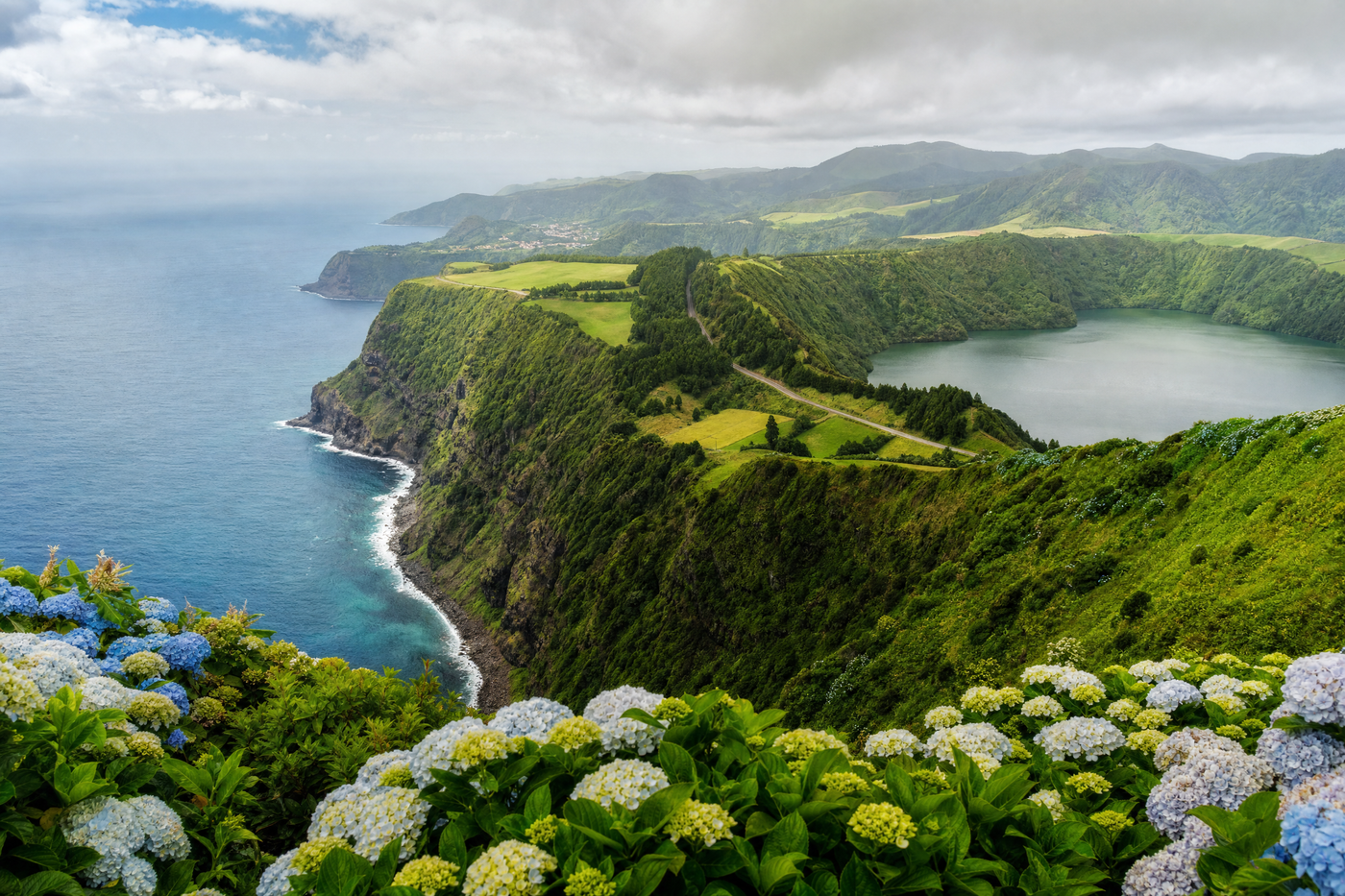
The Azores are dazzling and surprisingly accessible, but an affordable trip here requires smart planning. Get honest advice on where to save, where to spend, and how to see all the natural wonders that make this island chain spectacular—without blowing your budget.
Why visit the Azores—and why is budgeting unique here?
The Azores, an Atlantic archipelago belonging to Portugal, offer epic volcanic scenery, crater lakes, lush green hills, and authentic culture with less tourism than mainland Europe. While more affordable than many European islands, the cost of remote logistics, limited public transit, and increasing demand means costs can surprise the unwary.
Understanding what drives prices—fewer direct flights, variable car rental rates, and fluctuating accommodation demand—lets savvy travelers make practical decisions. The key to enjoying the Azores on a budget is knowing where to structure your spending, so you can enjoy the islands’ world-class landscapes and ocean views without overspending on the necessities.
Even with modest savings on everyday costs, value decisions quickly add up on a weeklong visit. Approaching the Azores with this mindset doesn’t mean missing the best parts—it means having more left to spend on the experiences you’ll remember.

Your trip deserves fewer tabs.
Start planning your tripThe best free and low-cost activities for stunning Azores experiences
If you want proof that the Azores' real value is natural beauty, look no further than the sheer number of free or nearly-free sights. On São Miguel, the twin lakes at Sete Cidades—arguably the jewel of the archipelago—offer breathtaking views from various hiking trails that cost nothing but your energy. The Miradouro da Boca do Inferno viewpoint, one of the most photographed in the islands, is blissfully free to access.
Beyond São Miguel, every island (like Pico and Terceira) boasts marked hiking routes leading you through lush forests, geyser fields, volcanic craters, and dramatic coastline—all at no cost. Local tourism boards even offer detailed digital maps for self-guided walks. Swimming in wild rock pools, such as Mosteiros on São Miguel or Biscoitos on Terceira, is always free and frequently uncrowded. Don’t neglect village wanderings: the whitewashed streets and azulejo-tiled churches have a quiet charm and make for excellent, cost-free afternoons.
Timing matters: when to book and when to visit for better value
Peak summer months (June–August) see a surge in prices and visitor numbers, especially on major islands like São Miguel and Pico. Shoulder seasons—April to early June and September to early November—offer better rates, more availability, and mild weather that still supports nearly all outdoor activities. The islands’ climate stays temperate year-round, so off-season trips are entirely feasible for most travelers.
Booking flights and accommodation 3–6 months in advance usually secures the best rates, particularly if you’re eyeing inter-island routes or specific guesthouses. If you’re traveling on a tight budget, midweek flight departures (especially to and from Lisbon or Porto) can be significantly cheaper. Last-minute deals are rare on the islands; their limited capacity fills up quickly when the weather is good. Coordinating your travels to avoid festival periods or major events will help secure not just better prices but also a quieter, more authentic experience.
Budget transportation: where to pinch pennies and when to spend
Island logistics shape most Azores itineraries. On São Miguel, there is limited but reliable public transport connecting Ponta Delgada with major towns and select sights. Fares are cheap, making this island the easiest for those without a car. The other islands, however, see infrequent buses and almost no ride-sharing. If you’re traveling with friends, renting a car and splitting costs often works out cheaper and much more efficient—particularly on Terceira or Pico, where must-see sights are far apart.
For solo travelers, some islands offer community transport, such as van shuttles or seasonal hop-on-hop-off lines. Always check seasonal schedules before you go: some services operate only in the summer. Ferry travel between close islands (like Pico, Faial, and São Jorge) is reliable and inexpensive—and enjoying the ocean views along the way is its own reward. Booking ferries in advance is rarely necessary except in July and August.

Turn your travel ideas into a plan.
Start planning your tripThe truth about food in the Azores: how to eat well on a budget
Eating out is a highlight—Azorean cheese, fresh seafood, and unique stews abound—but costs can vary. Local tabernas, simple pastelarias (bakeries), and lunchtime prato do dia (plate of the day) specials consistently offer the best value. For 7–12€, you’ll often get generous portions, especially away from major tourist sites.
Self-catering can also offer big savings: supermarket chains like Continente or local mini-mercados offer fresh breads, cheese, fruits, and pastries. Many towns have lively farmers' markets (mercados) with cheap produce in the mornings. Even if your accommodation lacks a kitchen, inexpensive ready-made meals are widely available and tasty. Water is drinkable from the tap, so there’s no need for bottled water—just bring a refillable bottle.
Top free and affordable sights on São Miguel
- Sete Cidades Lake and Miradouros: Multiple hike-in viewpoints and walking trails. All free; mesmerizing at sunrise or sunset.
- Lagoa do Fogo: Dramatic crater lake with a challenging hike down to secluded beaches. No entrance fee.
- Ponta Delgada’s historic center: Free to stroll, with numerous churches, tiled courtyards, and the 16th-century city gates.
- Public hot springs: Poça da Dona Beija (for a small fee) and the wild Caldeira Velha (entry under 10€) feel luxurious for the price.
Take advantage of the frequent, local bus to reach these highlights for a few euros each way. Especially if you skip car rental for a few days, these sights let you maximize time and value without spending big.
Planning inter-island travel: affordable ways to explore more islands
Visiting two or more islands is tempting, but inter-island flights through Azores Airlines or SATA can become budget-busters if left too late. Early booking is nearly always cheaper, and multi-island promotions do appear off-season. For the central triangle (Pico, Faial, São Jorge), ferries are fast, scenic, and reliably cheap, opening up multi-island hopping for even short stays.
If you want to extend past São Miguel, stick with islands that are geographically close, minimizing both travel time and cost. Plan your connections around ferry schedules, which can sometimes mean rearranging the usual tourist loop for efficiency. When timed right, you might spend less exploring Pico and Faial than on multiple day trips from São Miguel.
Choosing accommodation: what’s worth it and what to skip
From hostels and farm stays to historic guesthouses, the Azores offer more options than many expect. Centrally located guesthouses or basic pensions (pensões) in towns can be very affordable—especially if you’re content with simple decor and shared bathrooms. Booking platforms and local tourism sites often showcase family-owned stays at lower prices than international chains.
On the flip side, splurging on a rural cottage or apartment with a view can be a wise move if shared by a small group or family. These out-of-town lodgings frequently include kitchens and are located close to nature trails, magnifying the benefits for hikers and nature lovers. What to avoid? Unnecessary hotel upgrades and distant resorts that add expensive taxi fares or meals, unless you’re seeking privacy and don’t mind the extra cost.
How to save on tours and organized excursions
Whale watching, hiking, and geothermal cookouts are signature activities, and can be pricey if booked compulsively. To save, compare tour shops in person upon arrival; cash always talks for last-minute discounts, especially outside of high season. Group tours often cost much less per person, so chat with fellow travelers at hostels or guesthouses who might share your interests.
Self-guided possibilities abound and can replace paid excursions without diminishing the experience, particularly for hiking, birdwatching, and sightseeing. Simply renting a car for one or two days can open almost every classic Azorean view without guide fees. Save splurges for genuinely unique activities—like whale watching—over expensive city tours or general nature walks, many of which are easy to organize independently.
Which splurges are worth keeping in your trip budget?
- Whale or dolphin watching tours: The chance to see sperm whales and dolphins up close is unique to these islands. Go with a reputable operator for safety.
- Geothermal meals in Furnas: “Cozido das Furnas” cooked underground by hot springs is a culinary must. Splurging for a sit-down meal beats a snack from a stall.
- Guided ascent of Mount Pico: If attempting Portugal's highest peak, certified guides maximize safety and insight for a once-in-a-lifetime hike.
- Thermal spa days: Uniquely Azorean, thermal pools like Terra Nostra reward a little extra spend for relaxation.
Prioritize these paid experiences over generic tours or expensive nightlife, which are rarely the highlights here. They offer memories that justify the costs while the essentials—like hiking and sightseeing—are mostly free.
Essential local tips for stretching your euros in the Azores
Tap into local knowledge: ask at tourism offices for free maps and tips on current events or festivals with no entry fee. Many towns offer free weekly concerts, cultural performances, or culinary fairs open to all, particularly in the summer.
Plan for cash as not all rural shops or café bars accept cards. Avoid airport taxis if possible—instead, use local buses or pre-arrange shuttle pickups. Finally, follow the local approach to daily rhythm: lunches can be filling and affordable, while lighter dinners at home or picnics at miradouros (scenic lookouts) optimize both budget and experience.
Putting it together: sample budget for a week in the Azores
Here’s a breakdown for a week on São Miguel for a solo traveler, balancing savings and authentic experiences:
- Flights: €80–180 (off-peak, booked early from Lisbon or Porto)
- Accommodation: €25–50 nightly in guesthouses or hostels (€175–350/week)
- Local transport: €20–60 (mix of buses, one-day car rental)
- Meals: €70–120 (self-catering breakfasts, daily lunch specials, a few café dinners)
- Sightseeing and activities: €30–80 (including one splurge, like a whale watching tour)
- Total: €375–790
Plans expand gently if you add a second island via ferry or minimal-cost flight. Budget travelers leaving room for a single big experience, some local flavors, and plenty of free wonders will find the Azores surpass expectations—and leave with more memories than receipts.