Algarve travel guide: what to see, where to stay and how to plan your days
 By Maya Rivers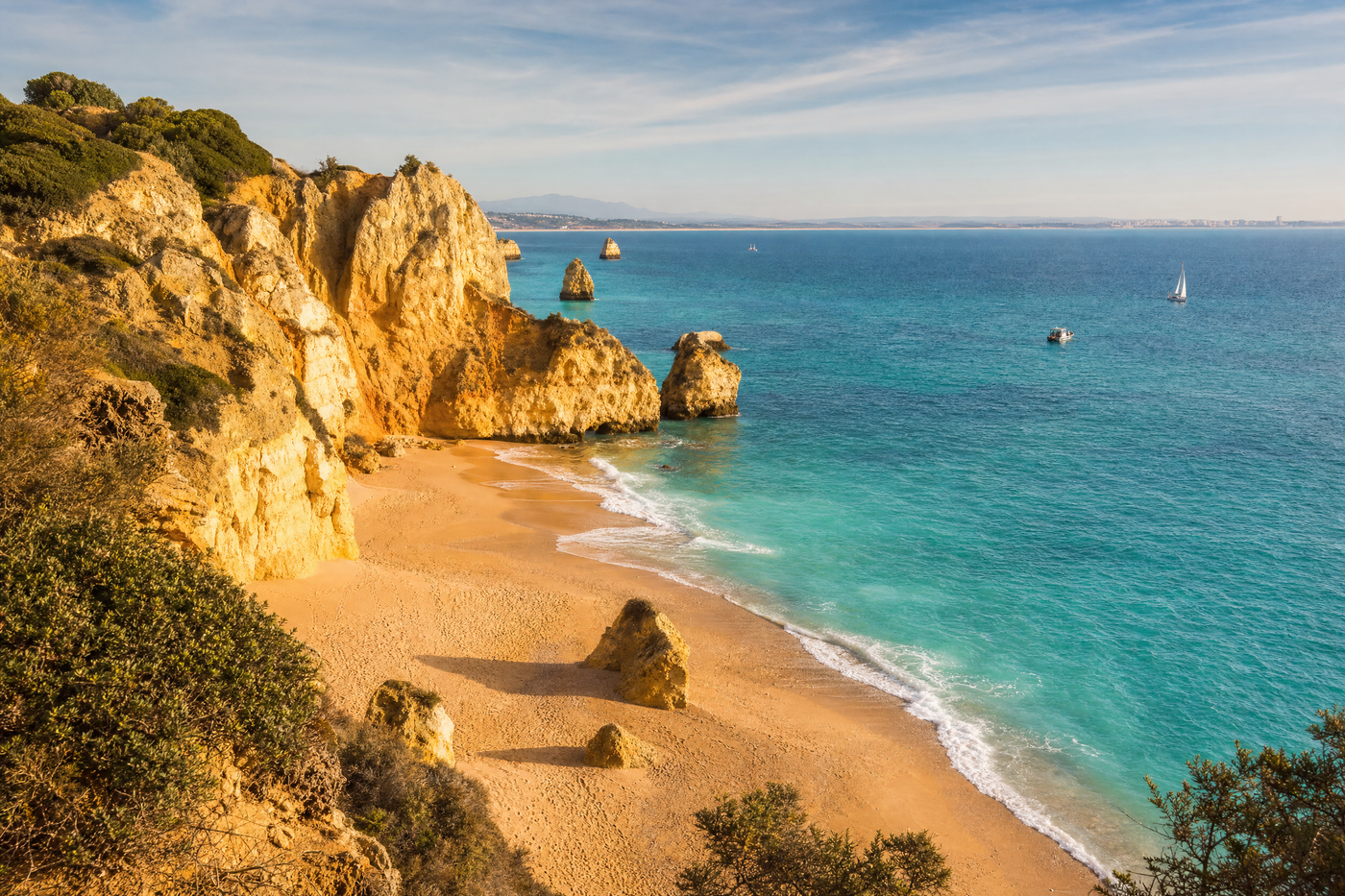
Planning your first Algarve adventure? This guide helps you navigate Portugal’s stunning southern coast with local tips on where to stay, how to get around, must-see sights, and a flexible itinerary for three days—all tailored for realistic, rewarding travel.
Understanding the Algarve: a southern Portuguese gem
The Algarve, stretching from Spain’s border to Cape St. Vincent, offers dramatic golden cliffs, crystalline waters, bustling resorts, peaceful villages, and a mild climate year-round. Its unique blend of Atlantic breezes and Mediterranean warmth means long summers, gentle winters, and abundant sunshine—perfect for discovering beaches or enjoying al fresco meals even in spring and autumn.
Beyond the famed coast, you’ll find Moorish history, whitewashed towns, scenic hiking trails, and a food scene strongly tied to the sea. Though tourism is central, traditional culture still shapes daily life in many pockets, from fish markets to village festas. A car is handy, but thoughtful public transport can help you see the best of the region, whether you want tranquil coves or lively marinas.

Your trip deserves fewer tabs.
Start planning your tripThe best areas to stay in the Algarve
Choosing your base can shape your experience. The Algarve’s main towns each offer a distinct vibe. Here are the most popular and practical areas:
- Lagos: A young, energetic town with a charming old quarter, award-winning beaches like Praia Dona Ana and Camilo, and easy coastal walks. Good nightlife, plenty of casual dining, and many day tours.
- Faro: The regional capital, often overlooked as a stay, boasts a delightful walled old town, an impressive marina, and easy access to the Ria Formosa natural park and its island beaches via ferry.
- Albufeira: Vibrant and central, Albufeira offers direct beach access, family-friendly resorts, and an old town famed for its bar scene. It's popular with groups and families seeking amenities.
- Tavira: East of Faro, Tavira is a picturesque riverside town with cobbled streets, graceful bridges, and a relaxed, authentically Portuguese atmosphere. Ideal for slower-paced days and cultural immersion.
- Carvoeiro and Ferragudo: Smaller cliffside villages that offer peace, pretty coves, dramatic rock formations, and a more intimate ambience than the busy hubs.
In high season (June–September), book ahead, especially in coastal hotspots. For less bustle and budget savings, consider staying just inland: Loulé, Silves, or inland from Lagos all provide local flavor and good access to main routes.
Getting around the Algarve
Transport across the Algarve is generally straightforward, though planning matters in rural or off-peak areas. Major towns along the coast—Faro, Lagos, Portimão, Albufeira, Tavira—are linked by a regional train line (Linha do Algarve), which is comfortable and scenic but infrequent, mainly following the coast.
Buses fill many gaps, with Eva and Vamus operating services to beaches, towns, and to/from the airport. However, schedules may drop on weekends and in winter, making it wise to double-check return times. If you’re exploring coves, hiking trails, or outlying villages, a rental car remains the most flexible option—roads are in good condition and parking is reasonable outside July-August.
Taxis and rideshares like Bolt and Uber are widely used in major towns. Ferries connect mainland towns to beach islands around Faro and Olhão. For cyclists, the region is mostly flat and bike hire is easy in tourist centers, though not all roads have dedicated lanes.
When to go: Algarve through the seasons
Summer (June to August) brings high temperatures, festival buzz, and busy beaches. Autumn (September and October) means mild seas and quieter sands, with harvest flavors on menus. Spring (April to June) is ideal for wildflowers, hiking, and early sun but avoids the summer crowds.
Winter is gentle—the sea is crisp but days often sunny. Small towns empty out, but cities like Faro and Lagos retain a lively local pulse. Prices drop, and nature reserves draw birdwatchers from across Europe. Most restaurants, hotels, and attractions operate year-round, though some beach clubs and kiosks close in the off-season.

Turn your travel ideas into a plan.
Start planning your tripTop beaches and natural wonders in the Algarve
- Praia da Marinha: Consistently ranked among Europe’s most beautiful, with dramatic limestone stacks and clear, swimmable water.
- Praia Dona Ana: Close to Lagos, with soft sand, golden cliffs, and easy access—ideal for first-timers and families.
- Ponta da Piedade: Not a swimming beach but a must for its ethereal rock formations, caves, and sea pillars, best seen by boat tour or clifftop walk.
- Ilha de Tavira: Reachable by ferry from Tavira, this barrier island has miles of sandy beach and minimal development—tranquility at its best.
- Praia do Amado: Surf-ready swells and a wilder vibe on the west coast, drawing international surfers and nature lovers alike.
Many other coves and expanses dot the region. Get up early or aim for late afternoons for a less crowded experience, even in high season.
Historic towns and cultural highlights
The Algarve’s lively culture is rooted in a complex past. Silves, crowned by an ochre Moorish castle, was once the Islamic capital of the region; wander its old town for Gothic cathedrals and riverside walks. Tavira marries Roman history and delightful squares with backstreet charm—don’t miss the Camera Obscura or its unusual collection of churches.
In Loulé, you’ll find a bustling Saturday market and a compact old center with covered halls, perfect for foodies and souvenir hunters. The city of Faro mixes 13th-century walls, a dramatic bone chapel (Capela dos Ossos), and inviting cafes by the marina. Most towns offer free walking tours or downloadable maps—worth using to unlock smaller sights on your explorations.
What to eat and drink in the Algarve
The Algarve’s cooking bursts with Atlantic freshness and Mediterranean influences. Seafood is king: grilled sardines, razor clams, cataplana (a seafood stew cooked in a copper pot), and octopus salad top menus in beach bars (chiringuitos) and harborside restaurants. Inland villages excel at piri piri chicken, as well as rustic cured meats and cheese.
Don’t leave without sampling pastéis de nata (custard tarts), almond cakes, or a glass of local Medronho spirit. Wines from regional grapes—Crato Branco for whites, Negra Mole for reds—pair beautifully with seafood. Most towns have vibrant food markets, great for DIY picnics or souvenirs from the local olive or fig harvest.
Practical tips for a smoother Algarve trip
- Language: English is widely spoken, but basic Portuguese greetings are appreciated and open many doors.
- Money: Euros are used everywhere. Cards are accepted in most places, but small notes or coins are handy for markets, small towns, or parking meters.
- Safety: The Algarve is safe and welcoming, but use usual precautions for valuables at crowded beaches or night hotspots.
- Markets & Sundays: Many small stores and sights close on Sunday afternoons; big supermarkets in resorts keep longer hours.
- Sun: Even outside peak summer, the sun can be strong. Bring sunscreen, a hat, and refillable water bottle.
Beaches can have strong currents—pay attention to local safety flags and lifeguard advice.
Three-day Algarve itinerary: the highlights
Day 1: Lagos & Ponta da Piedade
Morning: Wander the cobbled streets of Lagos’ old town, with a stop at the Mercado Municipal for pastries and early bargains.
Afternoon: Walk or take a boat tour to Ponta da Piedade for stunning coastal rock formations. Relax on Praia Dona Ana or Camilo. Evening: Taste fresh fish at a marina-view restaurant.
Day 2: Silves & Monchique
Morning: Drive inland to Silves to tour its red-brick castle, visit the Gothic cathedral, and explore the market. Lunch in town. Afternoon: Continue to Monchique, a mountain spa town, and hike to Foia for panoramic views over the Algarve. Evening: Enjoy rustic mountain fare, such as pork with chestnuts.
Day 3: Faro & Ria Formosa
Morning: Explore Faro’s walled old town and the bone chapel. Hop on a ferry to Ilha Deserta or Ilha de Faro—perfect for walking and birdwatching. Afternoon: Stroll the marina, cafes, or shop at local boutiques. Evening: Try a seafood cataplana or tapas-style petiscos in a lively tavern.
Flexible add-ons and alternative options
Got more time or want to swap a day? The western coast (Costa Vicentina) is wild and less developed, with surfing villages like Odeceixe and Arrifana. For family-friendly adventure, consider a boat trip from Portimão to the Benagil caves, or visit the nature reserve around Sagres for birdwatching and dramatic headlands.
Golfers will find top courses around Vilamoura and Quinta do Lago. Food lovers might linger in Olhão for seafood markets and harbor views, or take a cooking class in Tavira. Inland, Caldas de Monchique’s spas offer a break from the bustle, and cycling or kayaking tours can be arranged from most resort areas.
Travelling to the Algarve with children
The Algarve is relaxed and child-friendly, with options ranging from gentle sea lagoons to water parks like Zoomarine or Slide & Splash. Many beaches are lifeguarded in summer; look for shaded playgrounds and child-friendly eateries in larger towns. Self-catering apartments and villa rentals are widely available, and most hotels cater well to young families.
It’s easy to find buggy-friendly promenades and quiet bays for paddling. Look for signage at beaches indicating Blue Flag status (good quality and safety). Be aware that the sun is strong—sun hats and high-SPF sunscreen are essential throughout the year for kids.
Connecting with Algarve culture and local life
Markets, festivals, and open-air squares create opportunities to experience the Algarve beyond the sightseeing highlights. Village festas celebrate saints and harvests—check local calendars in summer for music, fireworks, and street food.
Try a pottery class in Porches, linger at evening fado sessions in Lagos or Tavira, or visit a farm for food tastings. If you’re interested in environmental tourism, plenty of local outfits lead birdwatching walks or nature conservation projects. Supporting independent family-run guesthouses and restaurants is the best way to keep your Algarve adventure meaningful for everyone.