Algarve in three days: a balanced itinerary for first-time visitors
 By Maya Rivers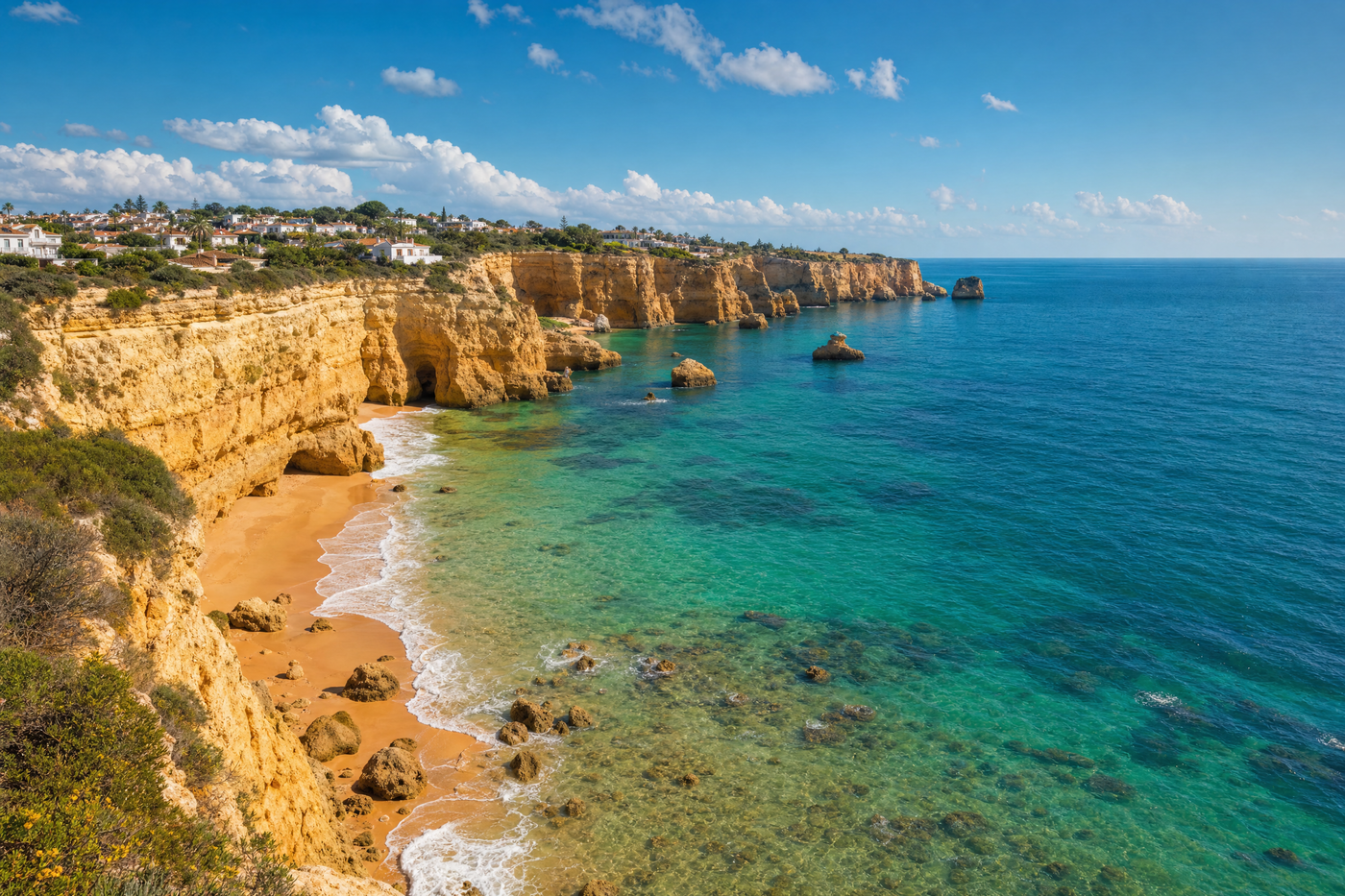
Explore the Algarve at a leisurely pace with this practical three-day itinerary. Designed for first-time travelers, it balances sightseeing, food stops, and downtime, helping you make the most of Portugal’s southern coast without rushing.
Why pace matters: enjoying Algarve without the rush
Algarve’s rolling coastline, whitewashed towns, and dramatic cliffs inspire visions of endless adventure. But its breadth and popularity also mean that cramming too much in can turn a dream trip into a blur. For first-time visitors, it’s tempting to hop between every notable beach or sight, but a balanced itinerary delivers a much richer experience. This plan respects local rhythms and travel realities, letting you savor the region’s highlights while building in genuine opportunities for relaxation and spontaneous detours.
This guide is crafted to feel achievable yet rewarding. Each day focuses on a specific area, includes realistic travel and meal times, and offers tips to avoid common pitfalls. It’s ideal for travelers who want to experience the heart of Algarve—with comfort and curiosity in equal measure.

Your trip deserves fewer tabs.
Start planning your tripArriving in the Algarve: where to base yourself and how to get around
The Algarve stretches over 150 kilometers of Portugal’s southern coast, but you don’t need to crisscross it to enjoy its essence. For a short trip, Lagos, Albufeira, or Faro make logical bases, each offering good accommodation, dining, and connections to public transport and local tours. Lagos appeals to those seeking history and natural beauty, Faro charms with its old town and access to Ria Formosa, while Albufeira places you near lively beaches and nightlife.
Car rental is the most flexible way to explore, but trains and buses reliably connect main towns if you prefer to go car-free. Parking can be tricky in summer—book accommodation with on-site parking or research lots ahead of time. If you’re arriving via Faro airport, a pre-arranged transfer or a short taxi ride takes you directly to most central hotels.
Day 1: Exploring Lagos and the western cliffs
Morning: Begin in Lagos old town, an easily walkable maze of calçada (cobbled) streets, white walls, and ochre trim. Grab pastel de nata and espresso at Pão d’Avó Maria, a beloved bakery on Rua Infante de Sagres, before browsing boutique shops and the 17th-century Igreja de Santo António. Allow time for the Mercado Municipal if you enjoy sampling local produce early in the day. Avoid the temptation to drive out directly—Lagos deserves this slow start.
Afternoon: After lunch (try Mar d’Estórias for contemporary Portuguese fare and rooftop views), head to Ponta da Piedade by car or on foot. The jagged golden cliffs, sea stacks, and grottos are best explored via guided boat tour—book at least a day ahead, especially in summer. Tours typically last 1–1.5 hours, balancing excitement and accessibility. Pack water, sunscreen, and a hat, and allow time for terrace views after returning.
Evenings in Lagos: dining and downtime
Past sunset, Lagos is slower-paced though still lively. For dinner, O Camilo, perched above Praia do Camilo, offers iconic seafood with cliff-top vistas. Reserve in advance for terrace seating. If you prefer something central, Don Sebastião serves reliable classics in an old town courtyard. After dinner, most locals join the evening paseo—amble along the Avenida dos Descobrimentos promenade or stop for a drink at Bon Vivant, a quirky rooftop bar.
Return to your hotel early if you want a true sense of Algarve mornings, or take time after dinner to enjoy an unhurried stroll through lantern-lit lanes. Lagos remains friendly and safe late into the night, but don’t overcommit; tomorrow’s itinerary rewards early risers.
Day 2: The central Algarve – Albufeira, beaches, and beyond
Morning: Drive or take the train to Albufeira. (If you’re based here, start with breakfast at Café Jardim—their tosta mista and fresh orange juice are local staples.) Stroll the old town’s main square and duck through the whitewashed lanes for shops and shaded corners. The Praia dos Pescadores, framed by ochre cliffs and traditional fishing boats, offers a classic Algarve beach scene. Spend the rest of the morning swimming or simply watching the ebb and flow of local life.
Afternoon: Lunch at Restaurante 54 lets you sample cataplana de mariscos (seafood stew), or opt for lighter petiscos (tapas) at Snack Bar O Jorge. In the afternoon, explore the coast east of town. Praia da Falésia, reached in 15 minutes by car or local minibus, rewards visitors with dramatic red-rock cliffs stretching for miles. There are ample boardwalks and shaded cafés for a seaside coffee, and the beach’s expanse helps keep things serene even at busier times.

Turn your travel ideas into a plan.
Start planning your tripWhere to pause: afternoon treats and local experiences
If traveling in summer, plan for a slow mid-afternoon, when the heat peaks and locals seek shade. This is the time to linger at a geladaria (ice cream parlor), such as Gelateria Paris. Alternatively, join a brief pottery workshop at a local studio—many small ateliers, like in nearby Porches, offer walk-in sessions and demonstrations. Booking ahead isn’t always required, but calling ahead assures your place if visiting with a group.
Leave space for unscripted discovery. Sometimes the best memories come from wandering up a flower-lined side street, chatting with a vendor, or simply sitting with a view and a glass of vinho verde. Your itinerary should never feel like a checklist, but a gentle invitation to linger when inspiration strikes.
Evening in Albufeira: food, views, and ambience
Night in Albufeira is best spent easing into the region’s sociable food culture. For casual beachfront dining, Arte Bar offers grilled sardines and live acoustic sets—book a table outside for sunset views. If you crave a quieter scene, Dom Carlos near the old town’s edge plates up modern interpretations of Algarve flavors with seasonal ingredients, in a cozy, reservation-only setting.
Albufeira’s nightlife includes bustling club streets and calmer wine bars. Consider ending your evening at Vertigo Rooftop Bar with a locally inspired cocktail or simply return to a quiet terrace at your guesthouse. The balance between buzzing nightlife and peaceful retreat is one of Algarve’s charms—feel free to dip in and out as mood and energy allow.
Day 3: Culture and nature from Faro to Olhão
Morning: Start early in Faro, soaking in the slow awakening of its walled city. The Arco da Vila entrance ushers you into cobbled lanes, where the Cathedral and municipal museum trace centuries of Moorish and Roman heritage. For breakfast, Café Aliança—the city’s oldest—serves croissants and bica coffee on tiled floors. Don’t rush—Faro’s old town rewards patience and a little aimless wandering.
Afternoon: After lunch (try Portas de São Pedro for petiscos and fresh fish), take a boat from Faro’s harbor to the Ria Formosa, a labyrinth of lagoons and sandbars bustling with birdlife. Tours can be as brief as 90 minutes or extend to a half-day, with drop-offs at remote Ilha Deserta or Ilha do Farol. Book your boat in advance if possible, especially in spring or autumn, when both locals and visitors compete for seats. On your return, hop a short train ride east to Olhão for a late afternoon stroll through Portugal’s prettiest market town.
Evening winds down: farewells in Olhão
Olhao’s quayside comes alive in the gentle glow of dusk. Wander the Mercados de Olhão (market halls) if they’re still open, or settle on a shaded terrace at Vai e Volta for grilled fish served by weight. The old town’s Moorish-inspired latticework facades and tiled courtyards invite quiet exploration. End your trip with a promenade along the waterfront, feeling the slower, more local pace settle in after sunset.
Trains and taxicabs readily return you to base if needed—don’t fret about late schedules, as many services sync with regular dining hours. If staying in Faro, enjoy a final gelato from Accademia or a digestif in a quiet bar, reflecting on your discoveries.
Food stops and reservations: a practical approach
- Book at least one special meal ahead: In high season, waterfront and rooftop restaurants fill up rapidly. Reserve your preferred dinner or lunch at least 48 hours ahead to guarantee a seat—especially at O Camilo in Lagos or Dom Carlos in Albufeira.
- Embrace walk-ins at tasca and café-level eateries: Smaller, family-run places often don’t accept bookings, but their turnover is fast, particularly at lunch. Don’t be discouraged by short waits.
- Try to dine earlier or later: Local dinner service rarely gets busy before 7:30 pm. Arriving just before or just after peak hours—from 6:30–7:15 or 9:00–9:45—often means better tables, especially if you don’t have a reservation.
- Consider the heat: In summer, opt for shaded outdoor patios or indoor spots with air conditioning at midday. Many market eateries are best at breakfast or mid-morning when local produce is freshest.
Finally, don’t plan every meal in advance—leave an evening or two open for spontaneous finds and local recommendations. The region’s best food memories often start with a neighbor’s tip or a friendly barkeep’s suggestion.
Common mistakes: what to avoid on your Algarve debut
- Over-scheduling: The biggest pitfall is trying to fit in too much. Prioritize areas by day and resist the urge to drive long distances between towns—traffic and parking can sap your energy fast.
- Booking last-minute in peak season: Accommodation, car hire, and boat tours all book out early between June and September. Plan core bookings 1–2 months ahead where possible.
- Underestimating the heat: Midday sun can be surprisingly intense, even in spring and autumn. Bring layers, stay hydrated, and don’t plan lengthy walks or hikes between noon and 4 pm in summer.
- Missing local markets: Many towns hold weekly markets or daily produce halls—build in time to visit, as these are windows into true Algarve life and excellent food stops.
Above all, adopt the local pace: enjoy longer lunches, greetings, and coffee breaks. This rhythm is part of Algarve’s true charm, and a crucial ingredient for a memorable trip.
Final thoughts: blending highlights and hidden corners
Three days in the Algarve can neither exhaust its beauty nor reduce it to a checklist of sights. The region rewards curiosity and flexibility just as much as planning. By focusing each day on a geographically sensible area and weaving together lively beaches, cultural gems, and peaceful moments, you’ll experience the Algarve as locals do—without rush.
Let meals anchor your days, pause often for serendipitous finds, and respect the slower rhythms that define coastal Portugal. This isn’t just a recipe for a smoother trip—it’s a way to ensure your memories of the Algarve are as rich and lingering as the ocean’s sunset glow.