Abu Dhabi travel guide: what to see, where to stay and how to plan your days
 By Maya Rivers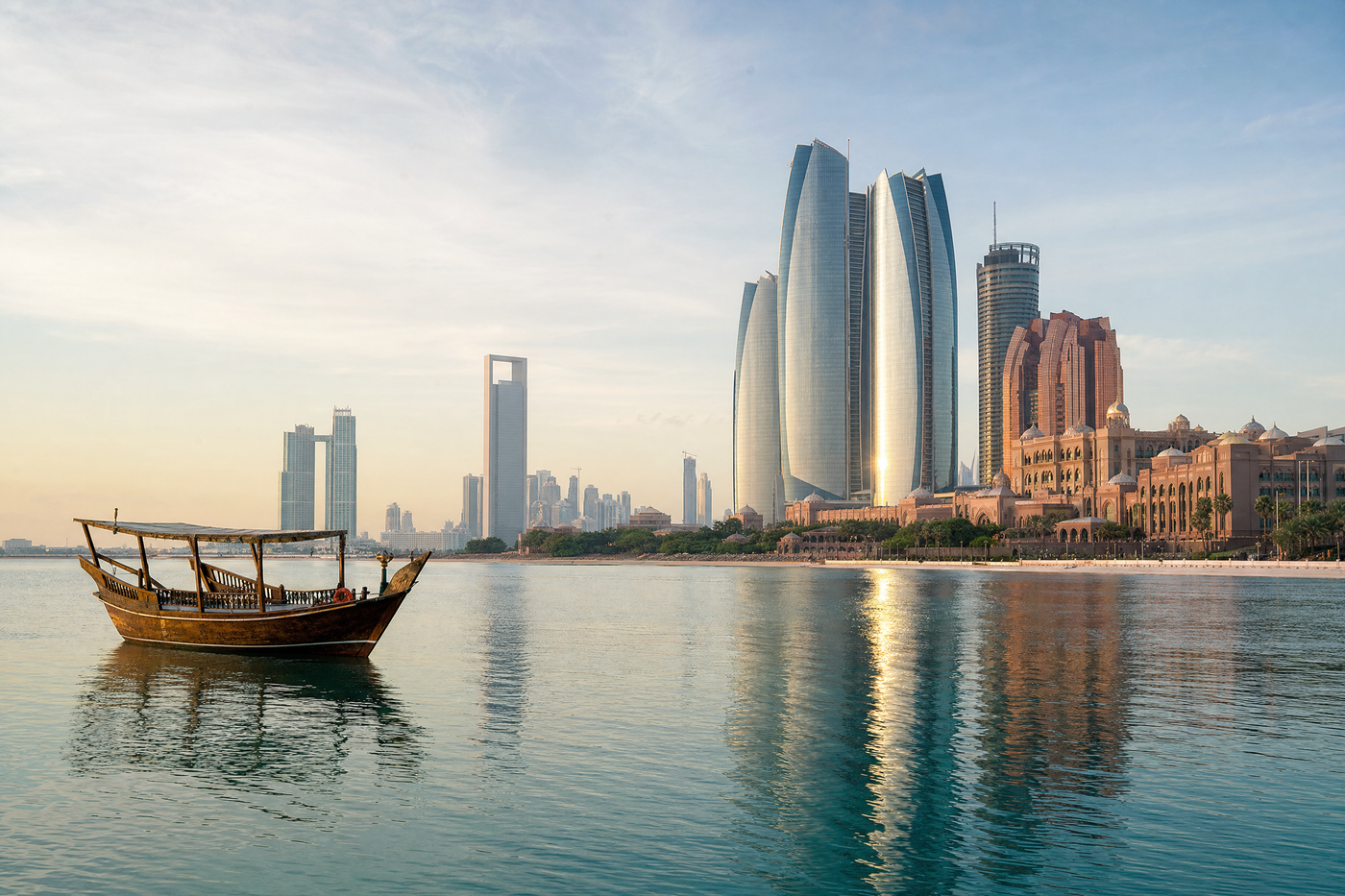
A practical first-timer's guide to Abu Dhabi, covering the must-see sights, where to stay, how to get around, what to eat, and a flexible itinerary for travelers.
Why choose Abu Dhabi for your next trip?
Abu Dhabi, the United Arab Emirates’ capital, offers a sophisticated, cosmopolitan city experience infused with deep-rooted Emirati culture and easy access to striking desert landscapes. Its architectural splendor balances tradition and innovation, from the timeless beauty of the Sheikh Zayed Grand Mosque to dramatic museums, lush parks, and futuristic skyscrapers.
Compared to Dubai’s relentless pace, Abu Dhabi moves at a calmer, more relaxed rhythm. Travelers can unwind by the Corniche’s white beaches, explore creative Saadiyat Island, or savor delicious local cuisine in vibrant souks and waterfront restaurants. It’s a city ideal for first-time visitors who want an approachable, manageable UAE adventure.
With a growing network of cultural attractions, well-planned districts, and inviting resorts, Abu Dhabi provides the perfect blend of relaxation and exploration. It’s cosmopolitan yet traditionally grounded, lending a sense of welcome and authenticity that’s easy to enjoy whether you have a few days or a week to discover it.

Your trip deserves fewer tabs.
Start planning your tripBest neighborhoods and areas to stay
- Downtown Abu Dhabi (Al Danah, Al Zahiya): Central, walkable, and close to the Corniche. A good choice for city vibes, midrange hotels, shopping, and easy bus connections.
- Saadiyat Island: Known for luxury resorts, Saadiyat offers beach access and proximity to major museums like Louvre Abu Dhabi. Ideal for relaxation and culture.
- Yas Island: Famous for family-friendly entertainment (Ferrari World, Warner Bros. World), theme parks, hotels, and Yas Beach. Good for families or thrill-seekers.
- Al Maryah Island: Abu Dhabi’s financial hub, popular with business travelers. Upscale hotels, Galleria Mall, and waterfront dining.
- Al Bateen: A refined residential area with boutique hotels, exceptional dining, and access to the heritage village and marinas.
Your choice depends on interests and budget: downtown for convenience, islands for leisure, or Al Bateen for a quieter local feel. Each is well-connected by taxi or ride-hailing, making it easy to explore.
Unmissable sights and attractions
- Sheikh Zayed Grand Mosque: An architectural marvel, open to all visitors, with reflective pools and 82 domes. Dress modestly and allow 1-2 hours to explore.
- Louvre Abu Dhabi: Striking Jean Nouvel-designed museum with world-class art and sculpture. Its iconic dome is a destination on its own.
- Qasr Al Hosn: The city’s oldest stone building, beautifully restored to narrate Abu Dhabi’s fascinating history and transformation.
- Corniche: A buzzing seafront promenade, offering cycling, walking paths, public beaches, and sweeping Gulf views.
- Qasr Al Watan: The UAE’s Presidential Palace, open to the public for palatial interiors, cultural exhibitions, and light shows.
- Manarat Al Saadiyat: Dynamic art and culture complex with exhibitions, creative workshops, and community events.
- Yas Island’s Theme Parks: Ferrari World, Yas Waterworld, and Warner Bros. World Abu Dhabi are excellent for entertainment and family-friendly fun.
Plan ahead, as some cultural sites have dress codes or admission times. Most sights are within 20–30 minutes by car from city hotels.
Understanding Abu Dhabi’s neighborhoods
Getting your bearings is easy as Abu Dhabi is essentially a cluster of islands and mainland districts connected by bridges. The city is built on Abu Dhabi Island, with the Corniche, Al Danah, and Al Zahiya forming the urban core. Saadiyat and Yas Islands sit to the northeast and are easily reached by road.
The city’s neighborhoods each provide a distinct feel: downtown pulses with life and shopping, the Corniche caters to leisure seekers, Saadiyat breathes culture and beach luxury, and Yas Island bustles as an entertainment hub. Al Maryah Island, with its gleaming towers and designer malls, captures the commercial, upscale side.
Abu Dhabi’s layout makes most areas accessible in under 30 minutes by car or taxi. If you prefer to walk, look for shaded pathways along the Corniche and in newer districts designed for pedestrians.

Turn your travel ideas into a plan.
Start planning your tripGetting around: Abu Dhabi transport tips
Public transport in Abu Dhabi consists mainly of modern, air-conditioned city buses. Routes connect major neighborhoods and tourist attractions, and fares are paid with a Hafilat smart card, available at stations and convenience stores. Buses are clean and reliable but may require transfers; they are best for budget-minded travelers.
Taxis are widely available, metered, safe, and relatively affordable for short distances. Ride-hailing apps like Uber and Careem also operate robustly across the city. Car rentals are an option for those planning day trips beyond Abu Dhabi, but parking is often paid and city traffic can be busy, especially during rush hour.
For beach days or exploring Saadiyat and Yas Islands, a taxi or ride-hailing app is usually quickest. Walking is pleasant along the Corniche, but for longer journeys, prepare for heat, especially from May to September, and always carry water and sun protection.
Dining in Abu Dhabi: what and where to eat
Abu Dhabi’s food scene is a delicious mix of Emirati heritage, pan-Arab flavors, South Asian staples, and international cuisines. Experience the bustling atmosphere of city bakeries and shawarma stalls, or treat yourself to fine-dining with sea views or Arabic opulence.
- Traditional Emirati: Try dishes like machboos (spiced rice with meat or fish), harees (wheat porridge), and luqaimat (sweet fried dumplings). Recommended spots include Al Fanar and Al Arish.
- Gulf/Arabian: Mezze platters, charcoal grills, and flatbreads abound. Al Ibrahimi is a longstanding favorite.
- International: From high-end steakhouses in hotels to creative Asian fusion, the options are broad. Zuma and Coya are notable international fixtures.
Don’t miss a stop at Mina Fish Market or local cafés for strong Arabic coffee and dates. Friday brunches in resorts are a beloved local ritual, with generous buffets and relaxed ambiance.
When to visit Abu Dhabi and what to pack
The most comfortable time in Abu Dhabi is from November to March, when daytime temperatures hover between 20°C and 28°C (68–82°F). Skies are clear, humidity is low, and beaches and open-air cafés are at their best. Summer (May to September) can be extremely hot, with temperatures soaring above 40°C (104°F); air-conditioning is ubiquitous indoors, but outdoor activities are less comfortable.
Pack lightweight, breathable clothing, but bring layers for cooler winter evenings. Modest dress is appreciated—particularly when entering mosques or traditional neighborhoods. Beachwear is appropriate at hotel pools and private beaches, but not in public urban spaces. Always carry sunblock, sunglasses, and a refillable water bottle. A scarf comes in handy for mosque visits and keeping cool from the midday sun.
Flexible three-day Abu Dhabi itinerary
- Day 1: Start at the Sheikh Zayed Grand Mosque (early morning for best light). Head to Qasr Al Hosn to explore Abu Dhabi’s heritage, then enjoy lunch nearby. Walk or cycle along the Corniche in the afternoon, stopping at a public beach. Try an Emirati dinner at Al Fanar.
- Day 2: Dedicate the day to Saadiyat Island—visit the Louvre Abu Dhabi, enjoy beach time, or take a creative class at Manarat Al Saadiyat. Dine at a resort restaurant for sunset Gulf views.
- Day 3: Venture to Yas Island for a theme park (Ferrari World or Warner Bros. World), or opt for Yas Mall shopping and Yas Beach relaxation. In the evening, see the architectural splendor of Qasr Al Watan, finishing with dinner at Al Maryah Island or Al Bateen’s waterside venues.
This itinerary is designed for flexibility—adjust based on your interests and pace. For slower explorers or families, consider spreading these attractions over a longer stay.
Planning your days: practical advice
Abu Dhabi’s major sights rarely require advance booking except during major holidays or special exhibitions. For the Sheikh Zayed Grand Mosque, check open times as they can vary for prayers. Museums (like the Louvre Abu Dhabi) offer online ticketing and often feature special, temporary exhibits worth checking in advance.
Large malls and entertainment complexes open mid-morning and remain busy well into the evening. Fridays (Islamic weekend) can be crowded, especially at beaches and parks. If you’re sensitive to heat, start days early and schedule indoor or shaded activities in afternoons.
English is widely spoken and signage is bilingual, making navigation straightforward for visitors.
Tips for a smooth arrival and first day
Abu Dhabi International Airport (AUH) is modern and efficient, with taxis available 24/7 for the 30–40 minute trip into the city (approximately AED 70–100, depending on destination). Rideshares and some hotels also offer airport transfers. Public buses serve the airport but are less convenient for those with luggage.
ATMs are plentiful and credit cards are widely accepted. Currency is UAE Dirham (AED). If arriving late, many hotels, especially in city center, offer round-the-clock check-in services. Drinking water is safe, and international SIM cards can be purchased in the arrivals area.
To ease jetlag, plan a gentle first afternoon: stroll the Corniche, enjoy a café by the water, or unwind at your hotel before diving into sightseeing.
Understanding local customs and etiquette
Abu Dhabi is welcoming, but as a predominantly Muslim city, respect for local customs is greatly appreciated. Public displays of affection are limited; dress modestly in neighborhoods, malls, and religious sites (covering shoulders and knees). Alcohol is served in many international hotels, but not in public restaurants off hotel grounds.
During Ramadan, eating or drinking in public during daylight hours is restricted, though hotels and some restaurants make special accommodation for visitors. Tipping is not obligatory but appreciated for good service, typically rounding up a bill or leaving 5–10%.
Photography is permitted at most tourist sites, though avoid photographing locals (especially women) without permission. When in doubt, just ask; Emiratis are proud of their hospitality and happy to help.
Making the most of your Abu Dhabi visit
Abu Dhabi is as rewarding for spontaneous exploration as it is for planned sightseeing. Allow time to wander local markets, discover unique architectural corners, or pause for a sunset coffee overlooking the Arabian Gulf. If time permits, consider a half-day desert safari or a mangrove kayaking tour — both offer striking natural contrasts to the urban skyline.
Most importantly, approach Abu Dhabi with curiosity and flexibility. The city’s calm confidence and blend of cultures create a sense of place that’s both uplifting and easy to navigate. Whether you stay in a seafront resort or a downtown hotel, immerse yourself in the local rhythms, savor the flavors, and enjoy the blend of tradition and modernity at every turn.